By World Media Feed Editorial Team
The fragile ceasefire in Gaza is facing another serious test after the body overseeing the U.S.-brokered agreement warned the United Nations Security Council that the process could unravel without urgent action from Israel and Hamas.
In its first annual assessment, the Board of Peace said the gap between the commitments made under the agreement and conditions on the ground had become the central risk to its survival. The report urged both sides to carry out their obligations and called on the Security Council to press for implementation rather than allow delays by one party to justify inaction by the other.
A ceasefire without visible change
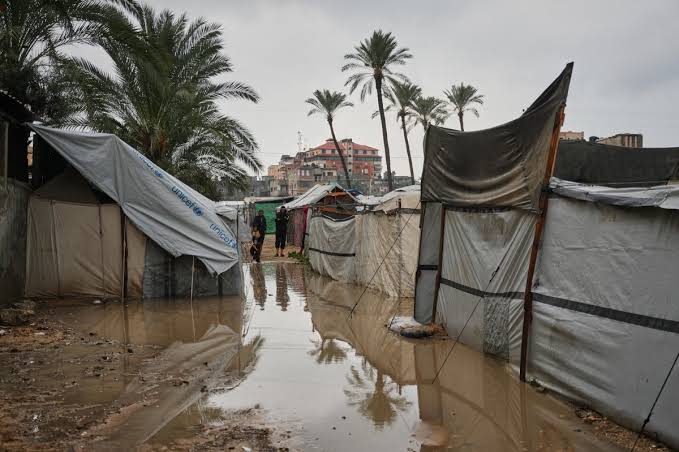
The assessment points to continued Israeli strikes, Hamas military activity and restrictions on humanitarian assistance as obstacles to progress. For civilians, the consequences remain immediate: many families are still living in tents or amid damaged buildings as another winter approaches.
The board warned that a ceasefire that produces no visible improvement in daily life cannot be sustained indefinitely. Its concern is not limited to whether large-scale fighting resumes. The report also describes a political and administrative process that has yet to move forward as intended.
Interim administration remains stalled
A central part of the plan is an interim technocratic body intended to manage day-to-day civilian affairs in Gaza. According to the Board of Peace assessment, that administration has not been allowed by Israel to begin operating inside the territory.
The delay has also affected plans for an international stabilization force. Under the wider framework, that force is linked to Israeli troop withdrawal, the disarmament of Hamas and the conditions needed for large-scale reconstruction. Without an operating civilian administration and a functioning security arrangement, those steps remain difficult to advance.
The unresolved question of Gaza’s future
The board called on the Security Council to support full implementation and said the process must ultimately provide a credible path toward Palestinian self-determination and statehood. That political question remains inseparable from the immediate issues of security, aid delivery and rebuilding.
The assessment does not mean the ceasefire has already collapsed. It is a warning from the body responsible for overseeing the process that the agreement remains vulnerable while its core commitments are delayed or contested.
For Gaza’s residents, the measure of progress will be practical: safer living conditions, reliable access to food and essential services, functioning civilian institutions and a credible route out of repeated displacement. The coming weeks will test whether the ceasefire can deliver those changes—or remain an agreement on paper while conditions on the ground continue to deteriorate.
Sources
- Associated Press — Board of Peace warns Gaza ceasefire could collapse without action (November 17, 2026)
- United Nations — Background on the Gaza ceasefire framework and transitional arrangements
Editorial note: This report summarizes the Board of Peace assessment as reported by the Associated Press. The warnings and descriptions of non-compliance are attributed to the board; they are not presented as independent WMF findings.
About the Author