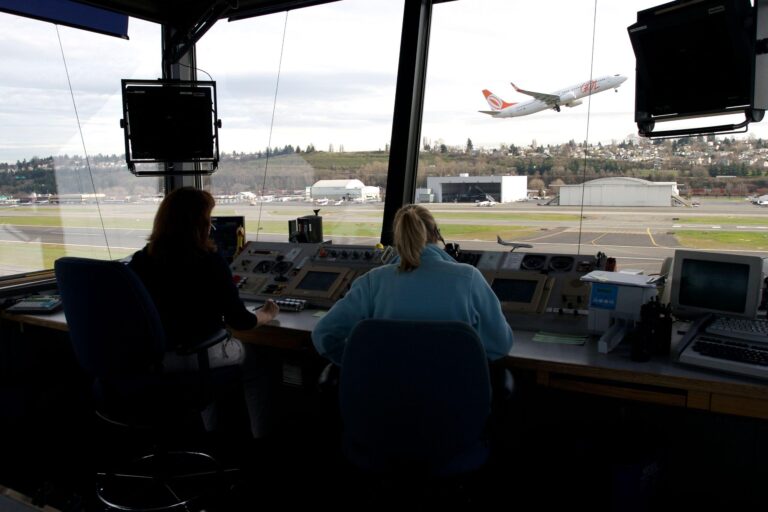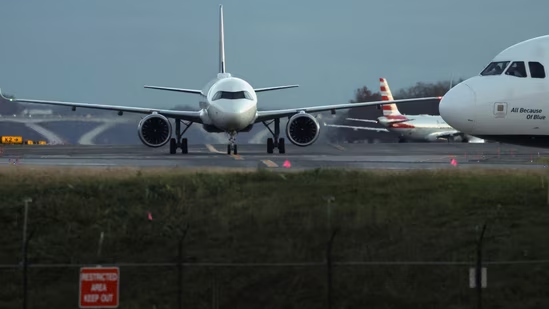
The Federal Aviation Administration says the U.S. air traffic control system has stabilized following a nationwide ground stop on November 13, but airlines and passengers continued dealing with cancellations and delays as the aviation network worked to recover.
The disruption began Friday afternoon after technical problems affected communications and radar data used by air traffic controllers. The FAA ordered a nationwide ground stop as a precaution, temporarily halting departures across the country while officials worked to isolate the problem.
According to the FAA, the ground stop was lifted at approximately 8:15 p.m. Eastern Time on Friday. The agency said all flights landed safely and that established safety procedures remained in place throughout the incident.
A network failure during routine maintenance
The FAA’s preliminary explanation points to instability in its telecommunications network during maintenance work involving aging copper lines being replaced with fiber-optic connections.
Transportation Secretary Sean Duffy said the work was being carried out by L3Harris, a contractor responsible for operating and maintaining parts of the network used by the FAA.
Officials said an unusual volume of data began moving through the system, reaching more than 1,000 connection attempts every four to five seconds. The resulting instability affected communications and some radar feeds used by air traffic control centers.
The FAA identified two potential locations involved in the data disruption: a radar facility in Amarillo, Texas, and a communications site in El Dorado, Arkansas. The agency said the investigation was continuing and that the precise root cause had not been established.
The contractor has said it is supporting the investigation.
Thousands of cancellations as airlines recover
The operational consequences extended well beyond the hours when flights were grounded.
The FAA reported approximately 12,462 flight cancellations on Friday, including cancellations by major airlines and general aviation operators. The disruption also left airlines working to reposition aircraft and crews, creating additional complications after the ground stop was lifted.
Reuters reported that thousands of further cancellations and delays continued through Sunday, November 15, as airlines worked to restore normal schedules.
The FAA said it had disabled the broadcasting functionality associated with the routers believed to be involved and taken precautionary measures involving similar equipment across the network.
Questions about aging infrastructure
The incident has renewed attention on the condition of the telecommunications infrastructure supporting the U.S. air traffic control system.
Duffy has described the network as outdated and argued that modernization requires additional investment. The administration has called for more funding to accelerate upgrades.
However, the investigation remains important. Officials still need to determine whether the disruption resulted from an installation error, defective equipment, or another technical failure. The transportation secretary said there was no current indication that a cyberattack caused the incident, while authorities continued examining the equipment and circumstances involved.
For passengers, the immediate concern is the return to reliable schedules. For the aviation industry and policymakers, the larger question is how a routine infrastructure project could contribute to a disruption affecting air travel nationwide.
The episode has placed renewed focus on the reliability of the systems that keep one of the world’s busiest aviation networks operating.
Sources to retain in your editorial notes
- FAA — Nationwide Ground Stop: Questions and Answers (primary source)
- U.S. Department of Transportation — November 14 update
- U.S. Department of Transportation — November 15 update
About the Author