By World Media Feed Editorial Team
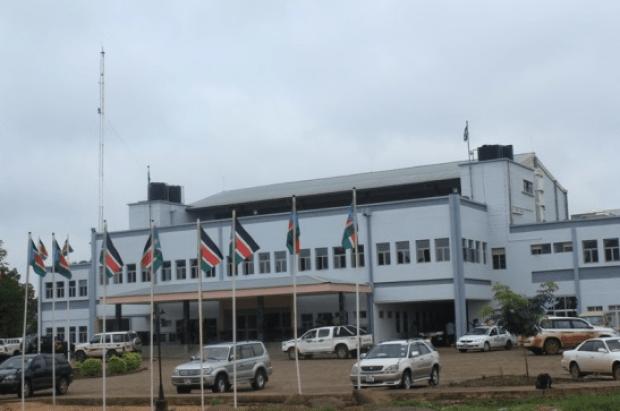
South Sudan has postponed its first national elections since gaining independence in 2011, moving the planned polling date from December 22 to February 11, 2027.
The revised timetable was published by the country’s National Election Commission on Saturday, November 14. The commission’s announcement did not provide a reason for the latest postponement.
The decision represents another setback for a country that has struggled for years to move from a fragile political transition toward an elected national government.
The elections had already been delayed, including in 2022 and 2024. The latest change comes amid concerns about insecurity, funding shortages and whether the country is prepared to conduct a credible nationwide vote.
The timing is particularly significant. Voter registration had been scheduled to begin on November 14, with the election commission previously announcing plans for registration centers across the country’s 10 states and three administrative areas.
The postponement therefore raises immediate questions about the electoral timetable, public communication and the practical preparations needed before citizens can vote.
South Sudan became independent after decades of conflict with Sudan. But independence did not bring lasting political stability. A new civil war erupted in 2013 between forces loyal to President Salva Kiir and those aligned with his rival, Riek Machar.
A peace agreement signed in 2018 helped establish a transitional unity government in 2020. Yet political divisions and renewed fighting have continued to undermine the transition.
The situation has become more complicated since Machar was placed under house arrest in March 2025. He and several co-defendants are facing trial on serious charges, which they deny. The transitional unity government was dissolved in September and replaced by a caretaker administration, according to the Associated Press.
The United Nations has also warned against treating elections as a substitute for political dialogue and implementation of the peace agreement. The head of the UN mission in South Sudan told the Security Council that elections should mark progress in the transition, not bring the process to an end.
That warning reflects a central challenge facing the country: holding a vote is not the same as establishing a political system that citizens and competing parties consider legitimate.
The latest delay does not, by itself, establish that elections cannot be held in February. But the authorities will need to demonstrate that the new timetable is realistic, that registration can proceed transparently and that political participation is possible in a secure environment.
For South Sudan’s citizens, the issue is larger than another revised date. It is whether the country can finally turn the promise of independence into a stable political future in which public choice carries real weight.
About the Author