South Korea plans to move its naval anti-piracy operations closer to the Strait of Hormuz, announcing a proposed expansion of its maritime mission as the conflict involving the United States and Iran continues to affect one of the world’s most important shipping corridors.
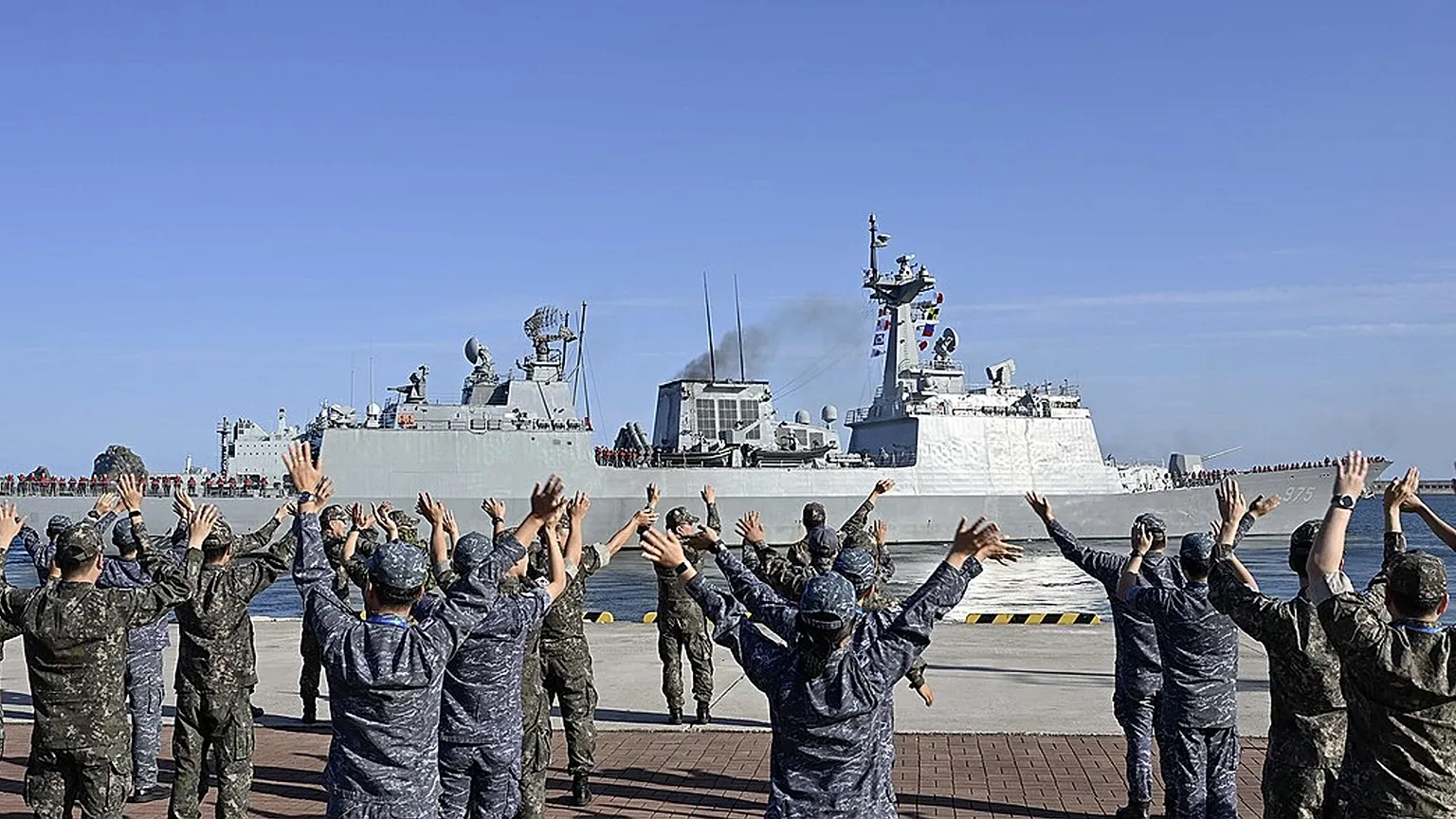
The South Korean Ministry of National Defense said Thursday that the government intends to expand the operational area of its Cheong Hae naval unit from the Gulf of Aden toward waters south of Oman, near the port of Duqm.
The proposed operating area would remain approximately 650 kilometers (403 miles) from the Strait of Hormuz itself. The plan still requires further government approval and parliamentary consent.
Seoul proposes a wider maritime mission
The Cheong Hae unit has operated in the Gulf of Aden since 2009, primarily protecting commercial vessels against piracy and supporting maritime security.
Under the proposed changes, South Korea would add 75 personnel to the mission, bringing its potential total strength to approximately 395.
The expanded deployment would also include a P-8A maritime patrol aircraft and additional equipment intended to support maritime security and mine-clearing operations.
South Korean officials have described the proposed mission as focused on protecting citizens and safeguarding economic interests, rather than joining combat operations against Iran.
Why the Strait of Hormuz matters to South Korea
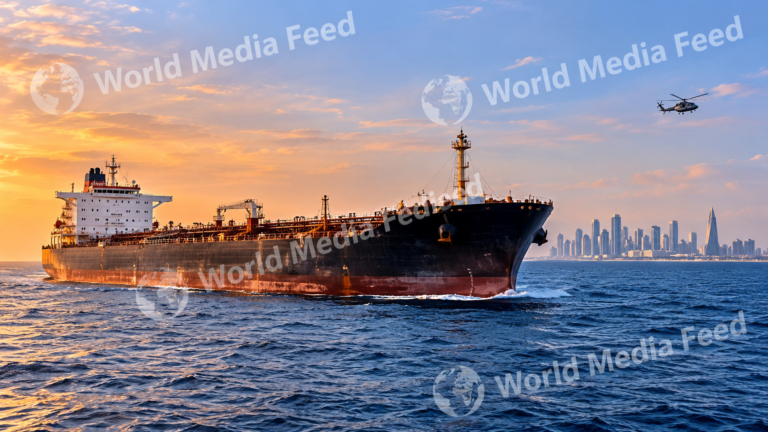
The Strait of Hormuz is a critical passage connecting the Persian Gulf to international waters. It is particularly important to energy-importing economies in Asia.
South Korea relies heavily on oil supplies from the Middle East, making disruptions to shipping routes a significant economic and national security concern.
Expanding operations toward Oman would give South Korea a greater presence in nearby international waters while keeping its proposed mission outside the Strait of Hormuz.
Balancing security commitments and the risk of escalation
The announcement comes amid pressure from Washington for Seoul to contribute more to efforts surrounding maritime security during the Iran conflict.
However, South Korea has sought to avoid a military commitment that could draw its forces directly into the war.
The proposed deployment reflects an attempt to balance two priorities: protecting commercial shipping and energy supplies while limiting the risk of direct military involvement.
The distinction is important. Expanding an anti-piracy mission near Oman does not mean South Korea has agreed to participate in combat operations inside the Strait of Hormuz.
Parliamentary approval remains ahead
The South Korean government plans to submit the revised deployment proposal for parliamentary approval after the required government review process.
Until that process is completed, the expanded mission should be understood as a proposal rather than a fully authorized deployment.
The decision will be closely watched by regional governments, international shipping operators and energy markets as the security situation around the Strait of Hormuz continues to evolve.
World Media Feed will continue monitoring developments in South Korea’s proposed naval deployment and the wider impact on international maritime security.
Sources
- Reuters — South Korea to expand anti-piracy unit operations closer to Strait of Hormuz.
- Yonhap News Agency — South Korea’s proposed expansion of the Cheonghae mission.
- The Korea Herald — Additional naval assets and the proposed mission’s operational scope.
About the Author