With 43 people confirmed dead in Komyshuvakha, discussions in Brussels are focusing on Ukraine’s future security, recovery and the enormous task of rebuilding a country still under attack.
By World Media Feed Editorial Team
KYIV, November 5, 2026 — A rescue operation in southeastern Ukraine entered another critical phase Thursday after authorities confirmed that 43 people had been killed in a Russian strike on a humanitarian aid distribution site, while international officials gathered in Brussels to discuss Ukraine’s future reconstruction and security.
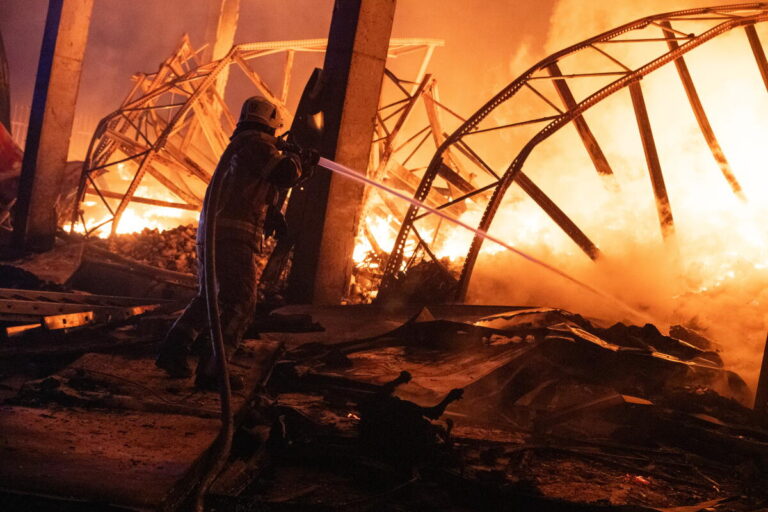
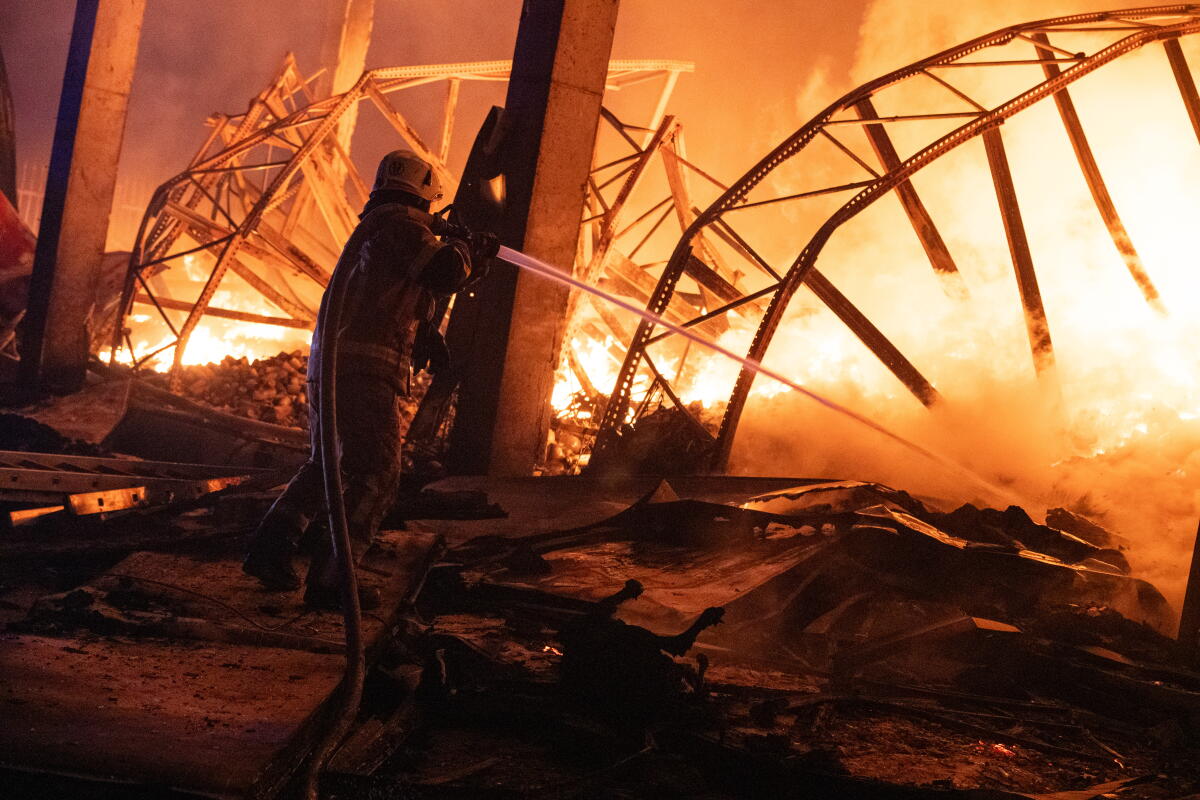
The attack struck the village of Komyshuvakha in the Zaporizhzhia region on Monday, hitting a former school building being used as a shelter and a location where residents gathered to receive humanitarian assistance.
Ukrainian President Volodymyr Zelensky said Thursday that one person previously reported missing had been found alive, three days after the bombing. Despite that discovery, the search continued, with Ukrainian police estimating that as many as 33 people could remain beneath the rubble.
The scale of the destruction has placed renewed attention on the dangers facing civilians in communities close to the front line, where locations providing shelter and humanitarian assistance remain exposed to the wider conflict.
A rescue operation with little room for hope
The discovery of a survivor offered a rare moment of hope during an operation increasingly defined by the difficult work of recovering victims and identifying those killed.
According to Reuters, Ukrainian police released footage showing rescue teams removing bodies from the site as heavy machinery cleared the debris. Video verified by Reuters, recorded by the body camera of a police officer who died in the attack, showed events immediately before a second strike hit a shelter where people had taken cover.
Ukrainian authorities said the attack involved guided bombs. Russia’s Defence Ministry said Russian forces had targeted Ukrainian military units in the area and claimed that as many as 25 Ukrainian servicemen were killed.
The Russian account differs from Ukraine’s description of the location as a humanitarian aid centre and shelter. The competing claims underline the importance of distinguishing independently verified evidence from statements made by the parties to the war.
Brussels turns its attention to Ukraine’s future
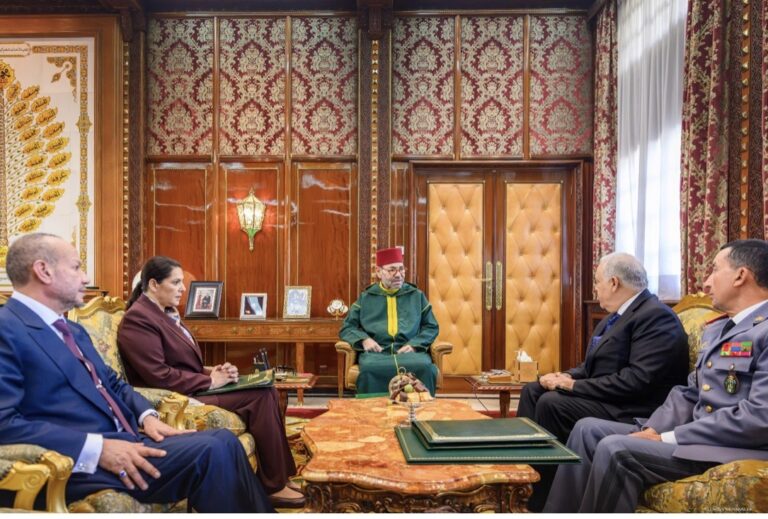
As rescue workers continued their efforts in Zaporizhzhia, officials and representatives from the United States, Britain, France, Germany, the European Union, NATO and the World Bank took part in discussions in Brussels concerning Ukraine’s postwar recovery and security arrangements.
The talks reflect the scale of the challenge facing international partners. Any eventual reconstruction effort will involve more than repairing damaged buildings. It will require long-term investment in housing, energy infrastructure, transport networks, public services and the security conditions needed for communities to recover.
The discussions also included representatives from BlackRock, highlighting the potential role of private investment alongside government and international financial support.
The European Union has also announced the transfer of 4.36 billion euros to Ukraine from a broader 90-billion-euro loan package intended to support the country’s defence and public services, including energy resilience and air-defence procurement.
But the central difficulty remains: reconstruction planning is taking place while Russian and Ukrainian forces continue to exchange attacks.
Peace negotiations face a difficult test
The Brussels discussions come ahead of planned US-brokered talks involving Ukraine and Russia in Abu Dhabi on November 10 and 11.
The proposed discussions are expected to address efforts to end the war, security arrangements and the country’s future recovery.
For Ukraine, any agreement would need to address not only the cessation of hostilities but also the security conditions that would prevent another major conflict and allow displaced communities to return.
The latest attack in Komyshuvakha adds urgency to those questions. It also illustrates the gap between planning for a future peace and the immediate realities facing civilians in areas still exposed to military operations.
The challenge beyond the battlefield
Ukraine’s recovery will be measured not only by the amount of international funding committed, but by whether the country can establish conditions in which people can safely return to their homes, children can attend school and essential services can operate without the threat of repeated attacks.
The destruction in Komyshuvakha is a reminder that humanitarian needs cannot be separated from the wider security debate.
For now, rescue teams continue to search through the remains of the building, while diplomats and international institutions discuss what a postwar Ukraine might look like.
Those two efforts are taking place on very different timelines. One is measured in hours and lives still missing beneath the rubble. The other will require years of political decisions, financial commitments and security guarantees.
For World Media Feed, the question is not simply how Ukraine will be rebuilt, but whether the international efforts now being discussed can create the security conditions necessary for that rebuilding to last.
Sources for the article
- Reuters — Survivor found three days after Zaporizhzhia bombing
- Associated Press — Russia and Ukraine trade airstrikes as reconstruction talks resume
- Associated Press — Background on the attack and humanitarian situation
About the Author