By World Media Feed Editorial Team
RABAT, November 3, 2026 — Morocco is stepping up its efforts to secure long-term water supplies, with a new national strategy targeting 27 billion cubic meters of dam storage and annual seawater desalination capacity of 1.8 billion cubic meters by 2031.
Equipment, Water and Forests Minister Nizar Baraka outlined the strategy before the House of Representatives on Monday, November 2, presenting plans to address drought, increasingly severe weather events, uneven rainfall and pressure on underground water reserves.
The strategy combines investment in dams, desalination facilities, water-transfer infrastructure, treated wastewater reuse and improved flood-prevention systems.
Expanding Morocco’s Dam Infrastructure
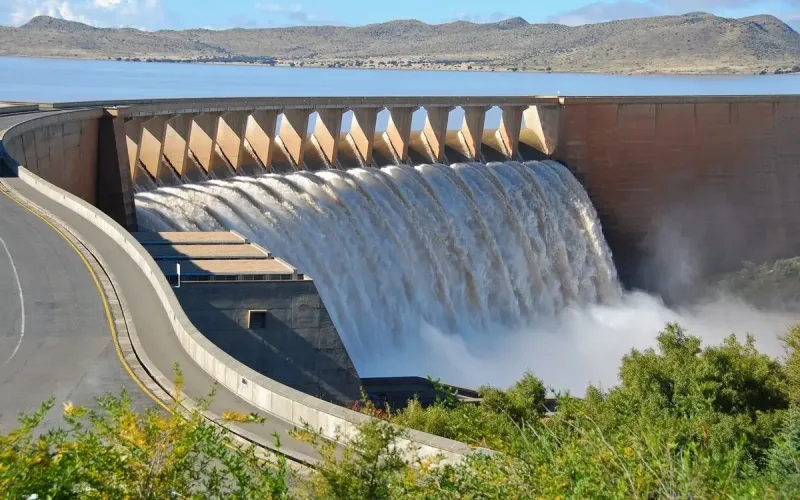
One of the government’s main priorities is increasing the country’s ability to collect and store rainfall.
According to the minister, 17 major dams are currently under construction, with a combined storage capacity of approximately 5.4 billion cubic meters. The government is also preparing 12 additional major dams expected to provide another 4.9 billion cubic meters of capacity.
The broader program aims to raise Morocco’s total dam storage capacity to 27 billion cubic meters by 2031.
These projects are intended to strengthen national reserves and improve the country’s ability to respond to periods of drought and changing rainfall patterns.
Desalination to Supply 60% of Drinking Water Needs
Seawater desalination is another central component of the strategy.
Morocco’s desalination production capacity has increased from 46 million cubic meters in 2021 to approximately 447 million cubic meters currently, according to figures presented by Baraka.
The government plans to accelerate construction of additional facilities, including projects in Nador, Driouch and Tangier. Further facilities are planned for Tiznit, Tan-Tan, Guelmim and Rabat, alongside the expansion of the Chtouka Aït Baha plant.
By the end of 2031, Morocco aims to reach an annual desalination capacity of approximately 1.8 billion cubic meters.
The minister said this could cover around 60% of the country’s drinking water needs, while also supporting agricultural development.
Connecting Water Basins and Reusing Wastewater
The strategy also includes transferring water between regions with different levels of availability.
Following the completion of the first phase connecting the Sebou and Bouregreg basins, the government plans to begin a second phase linking the Bouregreg and Oum Er-Rbia basins next year.
Morocco is also seeking to expand the reuse of treated wastewater. The ministry’s targets include increasing reused volumes to 60 million cubic meters in 2027 and more than 100 million cubic meters by 2031.
In agriculture, the government intends to expand drip-irrigation systems to cover more than one million hectares and improve the efficiency of existing irrigation networks.
These measures are designed to reduce pressure on conventional water resources and improve the management of available supplies.
Strengthening Flood Prevention
The strategy also addresses the growing risks associated with floods and extreme weather.
Baraka said 27 flood-protection projects have already been completed in several provinces, while another 21 projects are under construction.
The government is preparing a new atlas identifying areas exposed to flood risks and plans to strengthen rainfall monitoring, forecasting and early-warning systems.
The minister also highlighted the importance of protecting groundwater reserves and the natural areas that feed reservoirs. Soil erosion and sediment accumulation, he said, can reduce dam storage capacity.
A Long-Term Challenge for Morocco
Morocco’s water-security plans come amid significant climate and geographical challenges. According to figures presented by the minister, 53% of the country’s rainfall is concentrated in just 7% of its territory, creating major differences in water availability between regions.
The government is therefore seeking to combine infrastructure investment with more efficient consumption, stronger resource management and technological tools, including digital systems and artificial intelligence.
The targets announced for 2031 are ambitious, and their impact will depend on the implementation, financing and completion of the planned projects.
For Morocco, securing reliable water supplies is not only an environmental priority. It is also closely connected to food production, economic development, public health and the future of communities across the country.
Sources:
- Morocco’s official government news portal — New water-security strategy
- Le360 — Morocco targets 27 billion cubic meters in dam storage and 1.8 billion in desalinated water
- Le Desk — Water-security strategy and 2031 targets
World Media Feed distinguishes between announced targets, projects under construction and completed infrastructure. Figures and timelines in this article reflect information publicly reported as of November 3, 2026.
About the Author