RABAT — Morocco has welcomed the United Nations Security Council’s failure to renew the mandate of the United Nations Mission for the Referendum in Western Sahara (MINURSO), describing the development as a significant turning point in the international handling of the Western Sahara issue.
In a statement issued by the Royal Office on October 30, 2026, Morocco said the decision marked the closing of a 35-year chapter and represented an important step toward what it described as the definitive resolution of the Moroccan Sahara issue at the United Nations.
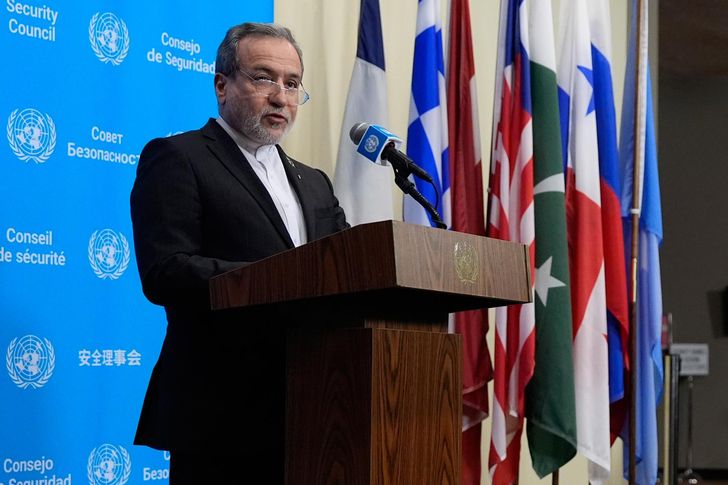
The Security Council failed to adopt either of two competing draft resolutions intended to extend the mission’s mandate. A US-backed proposal was vetoed by Russia, while a separate Russian proposal to extend MINURSO for another year was rejected. The mission’s existing mandate expired on October 31.
Royal Office Says a New Chapter Has Begun
The Royal Office said the development coincided with Morocco’s celebration of Unity Day, established by King Mohammed VI.
According to the statement, the non-renewal of MINURSO’s mandate represents a shift away from what Morocco described as the previous approach of managing the dispute toward a new phase intended to transform the parameters of the issue.
The statement also said the mission’s personnel, vehicles, equipment and symbols were expected to leave Morocco’s southern provinces in the coming days.
Morocco further argued that the Security Council’s periodic meetings, reports by the UN Secretary-General and briefings by his Personal Envoy should no longer be necessary. These are Morocco’s stated expectations; the failure to renew the mandate does not, by itself, constitute a formal decision removing Western Sahara from the Security Council’s agenda.
MINURSO Begins Winding Down
MINURSO was established in 1991 following a ceasefire between Morocco and the Polisario Front. Its original mandate included monitoring the ceasefire and supporting preparations for a referendum on the territory’s future.
The referendum was never held, largely because of disagreements over voter eligibility and other unresolved issues.
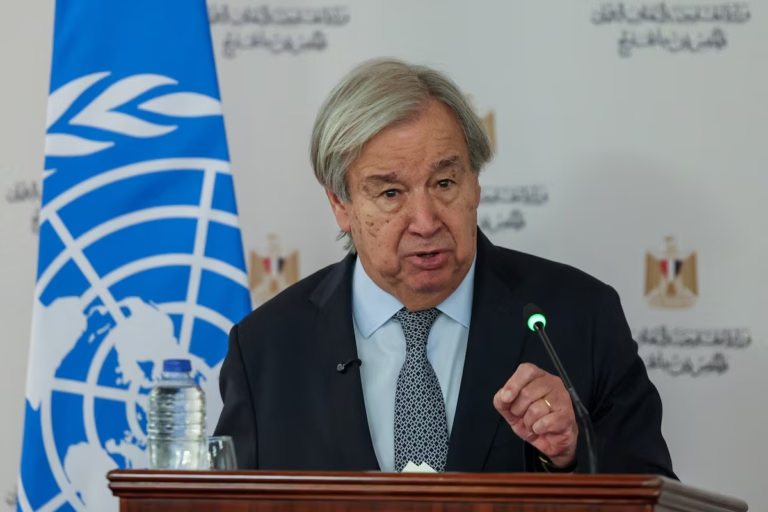
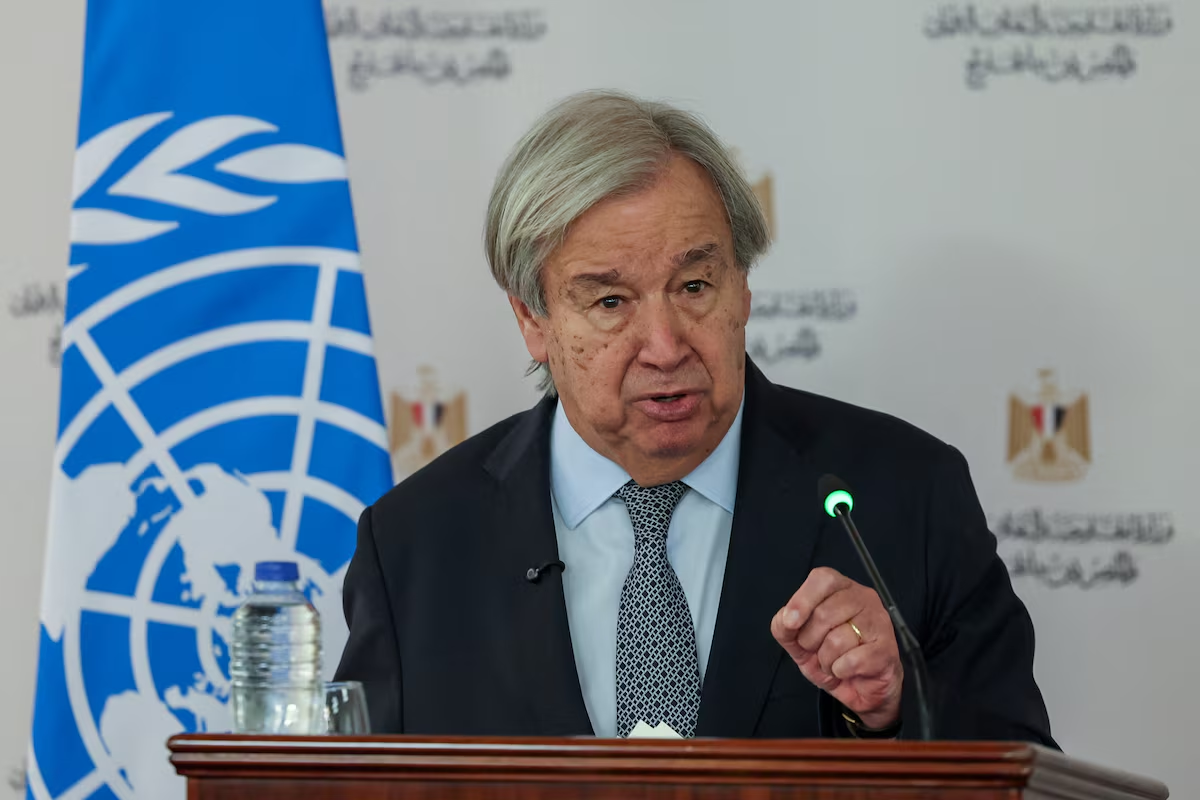
Following the Security Council’s failure to renew the mandate, UN Secretary-General António Guterres said the mission would begin winding down on November 1. The withdrawal process is expected to involve the departure of personnel and the handling of UN equipment.
The end of the mission’s mandate does not mean that all questions surrounding Western Sahara have been settled. The political dispute and differing positions over the territory’s future remain unresolved.
Morocco Reaffirms Commitment to the Ceasefire
In its statement, Morocco said it remained committed to the ceasefire and to safeguarding its territorial integrity, national security and the security of its citizens.
Rabat also said it would continue its diplomatic efforts at bilateral and regional levels, building on international support for its autonomy proposal under Moroccan sovereignty.
The Royal Office stated that more than two-thirds of UN member states, including permanent members of the Security Council and other influential countries, support autonomy under Moroccan sovereignty as a framework for resolving the dispute. This figure reflects the Moroccan government’s characterization of international support.
Different Positions Remain
The Security Council’s failure to agree on a mandate extension followed sharp differences among its members over the wording and direction of the proposed resolutions.
The United States-backed draft supported Morocco’s autonomy proposal as a basis for negotiations. Russia opposed that approach and vetoed the draft, arguing that it prejudged the issue. The competing Russian proposal also failed to secure the votes required for adoption.
The Polisario Front and Algeria have continued to oppose proposals they believe undermine the right of the Sahrawi people to self-determination. They have criticized the direction of the US-backed initiative.
The developments therefore mark a major change in the UN mission’s status, but they have not produced an agreed political settlement among the parties.
What Happens Next?
With MINURSO beginning its withdrawal, attention is turning to the future role of the United Nations and the diplomatic efforts surrounding Western Sahara.
Morocco says it intends to continue advancing its autonomy proposal through bilateral and regional diplomacy. Other parties continue to call for a process that addresses self-determination.
The coming weeks and months will be important in determining how the United Nations and the parties respond to the end of MINURSO’s mandate.
For now, the mission’s 35-year presence is coming to an end, while the broader political question of Western Sahara remains unresolved.
Sources:
- Morocco’s Ministry of Foreign Affairs — Royal Office Statement, October 30, 2026
- United Nations — Security Council meeting coverage, October 30, 2026
- Reuters — UN mission to begin winding down after Security Council fails to renew mandate
- Associated Press — UN mission ends after 35 years following US-Russia standoff
World Media Feed distinguishes between Morocco’s official position, decisions taken by the United Nations and the continuing positions of the parties.
About the Author