TEHRAN — Iran says it has a proposal to reopen the strategically important Strait of Hormuz and resume nuclear negotiations with the United States within two days, provided Washington agrees to a series of conditions.
The announcement, reported by The Associated Press on November 2, marks a shorter proposed timeline than an earlier Iranian plan that had called for a process lasting up to seven days.
However, the proposal does not mean the waterway is reopening. There has been no confirmation that the United States has accepted Tehran’s conditions or that a final agreement has been reached.
Iran Sets Conditions for Reopening the Strait
According to the Associated Press, Iran’s proposal includes demands that the United States lift its blockade of Iranian ports, ease sanctions affecting Iranian oil sales and agree to a ceasefire that would also cover Lebanon.
Iranian officials say ships using the Strait of Hormuz would follow a route agreed upon by Iran and Oman and travel under Iranian supervision.
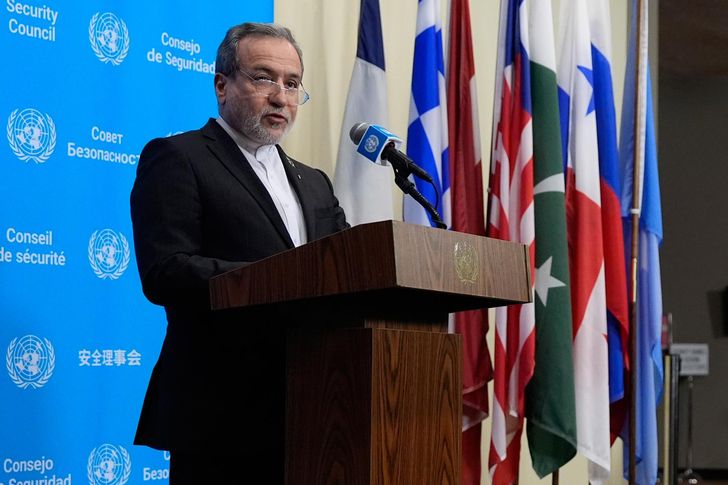
Iranian Foreign Ministry spokesperson Esmail Baghaei said the proposal remains the basis for negotiations through mediators. He did not indicate that Washington had accepted the terms.
The conditions underline the differences that remain between the two governments, particularly over maritime security, sanctions and the wider regional conflict.
Why the Strait of Hormuz Matters
The Strait of Hormuz is one of the world’s most important maritime energy routes. Located between Iran and Oman, it connects the Persian Gulf with the Gulf of Oman and the Arabian Sea.
A significant share of the world’s oil and liquefied natural gas shipments normally passes through this narrow waterway.
Any prolonged disruption can affect international shipping, energy prices and the cost of transporting goods. The consequences can extend well beyond the Middle East, affecting businesses and consumers in countries that depend on imported energy.
For this reason, developments surrounding the strait are being closely monitored by governments, energy markets and shipping companies.
Nuclear Negotiations Remain Uncertain
The proposed reopening is linked to the possibility of restarting negotiations over Iran’s nuclear programme.
The United States and Iran have long disagreed over Tehran’s nuclear activities, sanctions and the terms of any future agreement.
Although Iran has presented the proposal as a possible route toward diplomacy, the outstanding conditions leave major questions unresolved. The two sides would still need to reach agreement on the terms and implementation of any arrangement.
The latest announcement therefore represents a proposal rather than a confirmed diplomatic breakthrough.
What Happens Next?
The next step will depend on whether Washington responds positively to Iran’s conditions and whether negotiations through regional mediators can produce an agreement.
If the proposal advances, attention will turn to the security arrangements for commercial vessels, the timing of any reopening and the possibility of renewed nuclear talks.
For now, the Strait of Hormuz remains at the center of a wider diplomatic and security standoff.
The situation carries international consequences because the waterway is essential to global energy transportation. Any agreement that restores predictable maritime traffic could have implications for shipping and energy markets, but its outcome remains uncertain.
World Media Feed will continue monitoring developments and update this report as reliable new information becomes available.
Sources
- Associated Press — Iran has a 2-day plan to reopen the Strait and resume nuclear talks, November 2, 2026
- The Guardian — Negotiators brace for uncertainty over US-Iran talks, November 1, 2026
Editorial note: Iran’s announcement is a proposal. This article does not suggest that the United States has accepted the conditions or that the Strait of Hormuz has reopened.
About the Author