e vessel approached. The outlet later published what it described as operational reports concerning the incident.
These are serious allegations. Establishing their accuracy requires examination of the original records, the circumstances in which the reports were produced, and any available testimony or visual evidence.
Did Some Migrants Jump Voluntarily?
One important element in the published accounts is the possibility that some migrants deliberately entered the water because they preferred to be taken to Spain rather than returned to Morocco.
According to Europa Press’s account of the incident, the explanation that migrants may have jumped voluntarily was included in the reporting surrounding the allegation itself. This possibility raises a legitimate question about how individual actions were distinguished from alleged actions by naval personnel.
Nevertheless, the possibility of voluntary jumps cannot establish that everyone entered the water voluntarily. Equally, the fact that migrants were rescued from the sea does not, on its own, prove that Moroccan personnel threw them overboard.
A reliable conclusion must distinguish between what rescuers directly observed, what witnesses reported, and what investigators can independently establish.
Questions About the Documentary Record
The reporting has also raised questions about communications between Salvamento Marítimo and Spain’s Civil Guard. Artículo14 subsequently published a follow-up report that identified the Civil Guard’s operations centre in Ceuta, rather than Algeciras, as the location involved in the communication described in its initial account.
This change warrants careful examination, particularly because the allegations concern conduct that could have endangered human lives. However, a correction concerning the location of a communication does not automatically invalidate every other claim in a report. Each central allegation must be assessed against the underlying evidence.
RTVE also reported that Spanish government sources said they had no confirmation that a Moroccan vessel had thrown migrants into the water. That statement is relevant, but it is not equivalent to a conclusive finding that the alleged conduct did not occur.
The Wider Context of the Ceuta Crisis
The incident took place during the mass arrival of migrants attempting to reach Ceuta by land and sea on July 30 and 31. The episode has since generated debate over border security, maritime activity and the conduct of authorities on both sides.
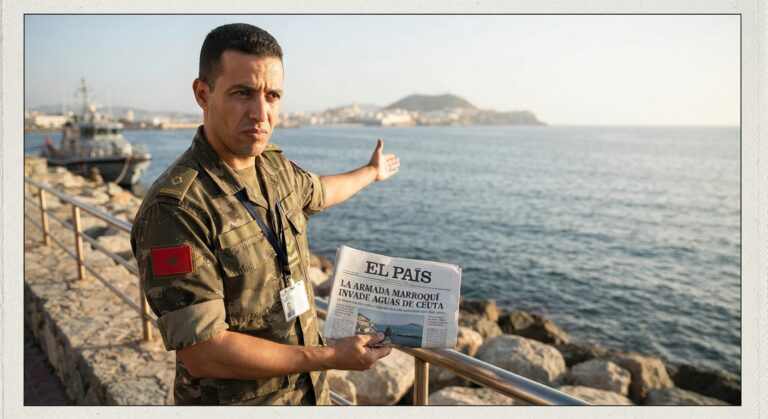
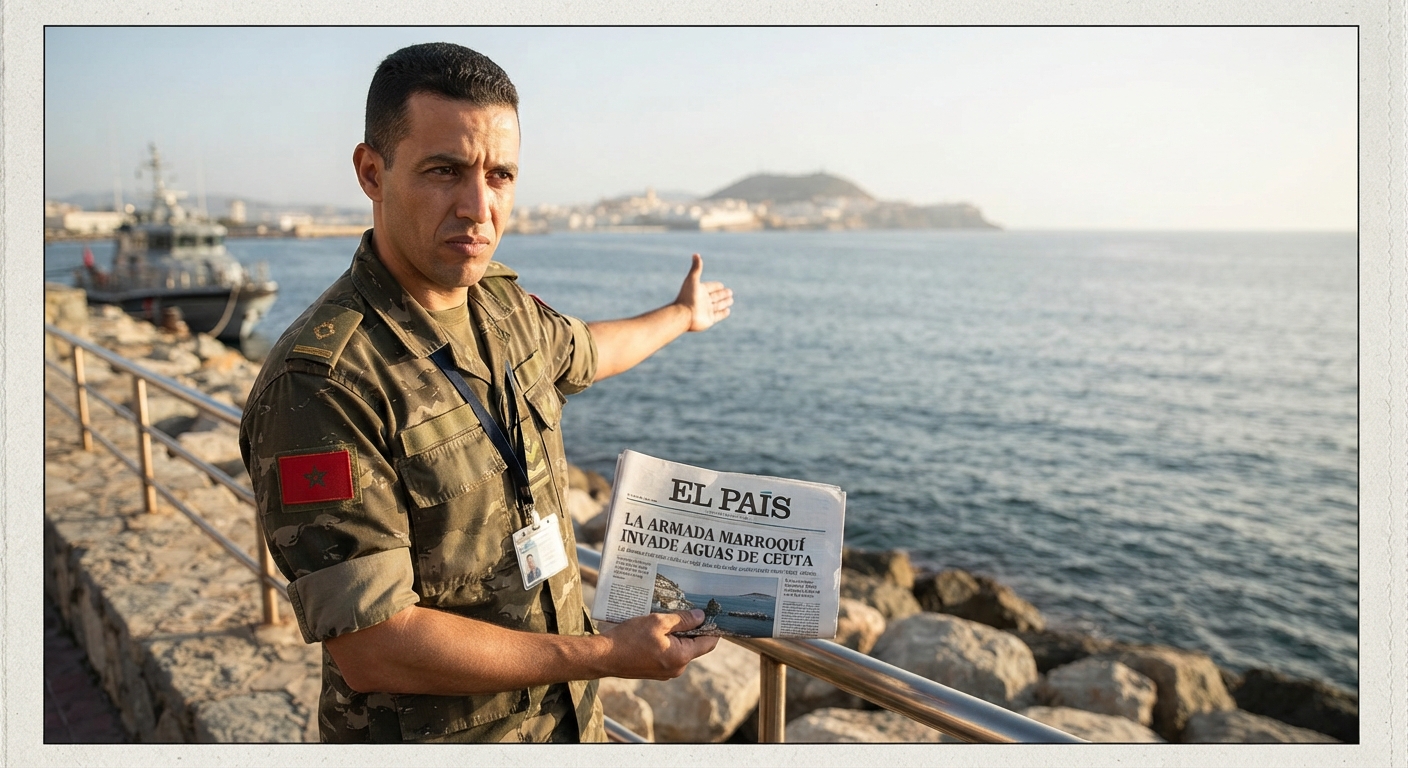
Earlier reporting by El País alleged that Moroccan naval vessels entered waters claimed by Spain during the crisis. That report concerned the presence and movements of military vessels; it should not be treated as proof that Moroccan personnel mistreated migrants or that naval activity was coordinated with the crossings.
The different claims concern related events, but they require separate evidence and should not be conflated.
Why Independent Verification Matters
When allegations involve military personnel and vulnerable people at sea, accuracy is essential. The public deserves a clear account based on evidence rather than assumptions about the motives of either the authorities or the migrants.
A thorough investigation would examine the original operational records, communications between the relevant services, crew accounts, witness statements, available video footage and the precise sequence of events. It should also establish which details are independently corroborated and which remain based on anonymous sources.
Until that evidence is made available and assessed, neither a definitive accusation nor a categorical dismissal is justified.
Conclusion
The controversy surrounding the July 30 rescue near Ceuta raises important questions about what happened and how the incident has been reported. The possibility that some migrants jumped voluntarily deserves consideration, but it cannot settle the entire matter. Likewise, allegations against Moroccan naval personnel should not be presented as established fact without sufficient corroboration.
For World Media Feed, the central issue is the distinction between allegation and proof. A transparent investigation, supported by verifiable records and accounts from the people involved, remains the clearest way to establish what happened at sea and ensure that the public receives an accurate account.
Sources: RTVE — Spanish government says it has no confirmation that a Moroccan vessel threw migrants into the sea; Europa Press — Maritime Rescue confirms rescue near Ceuta; Artículo14 — Original allegation; El País — Reporting on Moroccan naval vessels near Ceuta.
About the Author