Guinea used the 8th session of the Morocco-Guinea Joint Cooperation Commission in Conakry this week to restate, in unambiguous terms, its backing for Moroccan sovereignty over the Sahara, calling the autonomy plan the only real way to close out the long-running dispute.
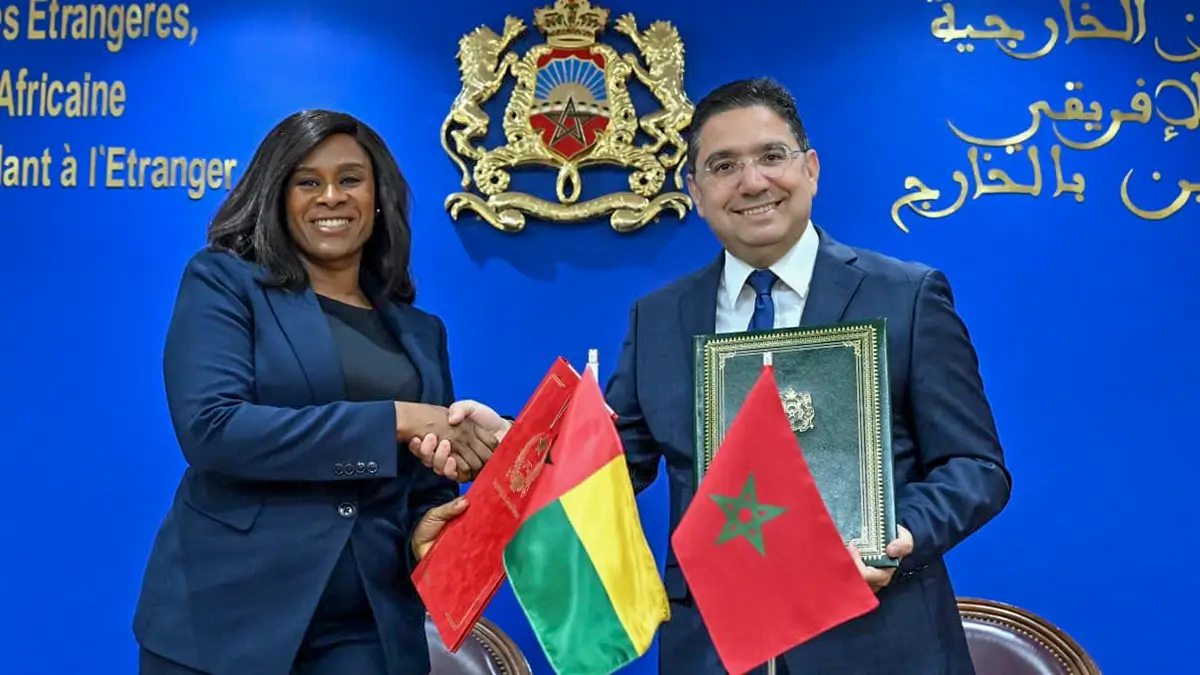
The session, held Tuesday in the Guinean capital, was co-chaired by Morocco’s Minister of Foreign Affairs, African Cooperation, and Moroccan Expatriates Nasser Bourita and Guinea’s Minister of Foreign Affairs, African Integration, and Guineans Living Abroad, Dr. Morissanda Kouyaté.
Opening the session, Dr. Kouyaté told delegates that Guinea’s position on the issue has not shifted: Conakry continues to stand behind the Moroccanness of the Sahara and recognizes Rabat’s sovereignty over that part of its territory as settled fact from Guinea’s standpoint.
He went further on the question of a path forward, telling the commission that Guinea views the autonomy framework under Moroccan sovereignty — the same plan Morocco has put before the UN Security Council — as the sole viable resolution to the conflict, leaving no ambiguity about where his government stands among the range of proposals on the table.
Dr. Kouyaté pointed to Guinea’s Consulate General in Dakhla as tangible proof of that stance rather than just rhetoric, describing the diplomatic presence there as a concrete marker of Conakry’s steady solidarity with Morocco on the issue.
Bourita, for his part, thanked Guinea for what he characterized as consistent, unconditional backing over the years — support he said has shown up not only in Guinea’s public positions at regional and international gatherings but also in the practical step of opening the Dakhla consulate back in January 2020.
The exchange added Guinea’s voice to a broader chorus of African and international governments that have moved to formalize their support for Morocco’s autonomy proposal in recent years, often through the same kind of diplomatic gesture Guinea has now reaffirmed: a physical consular presence in the Sahara itself.
About the Author