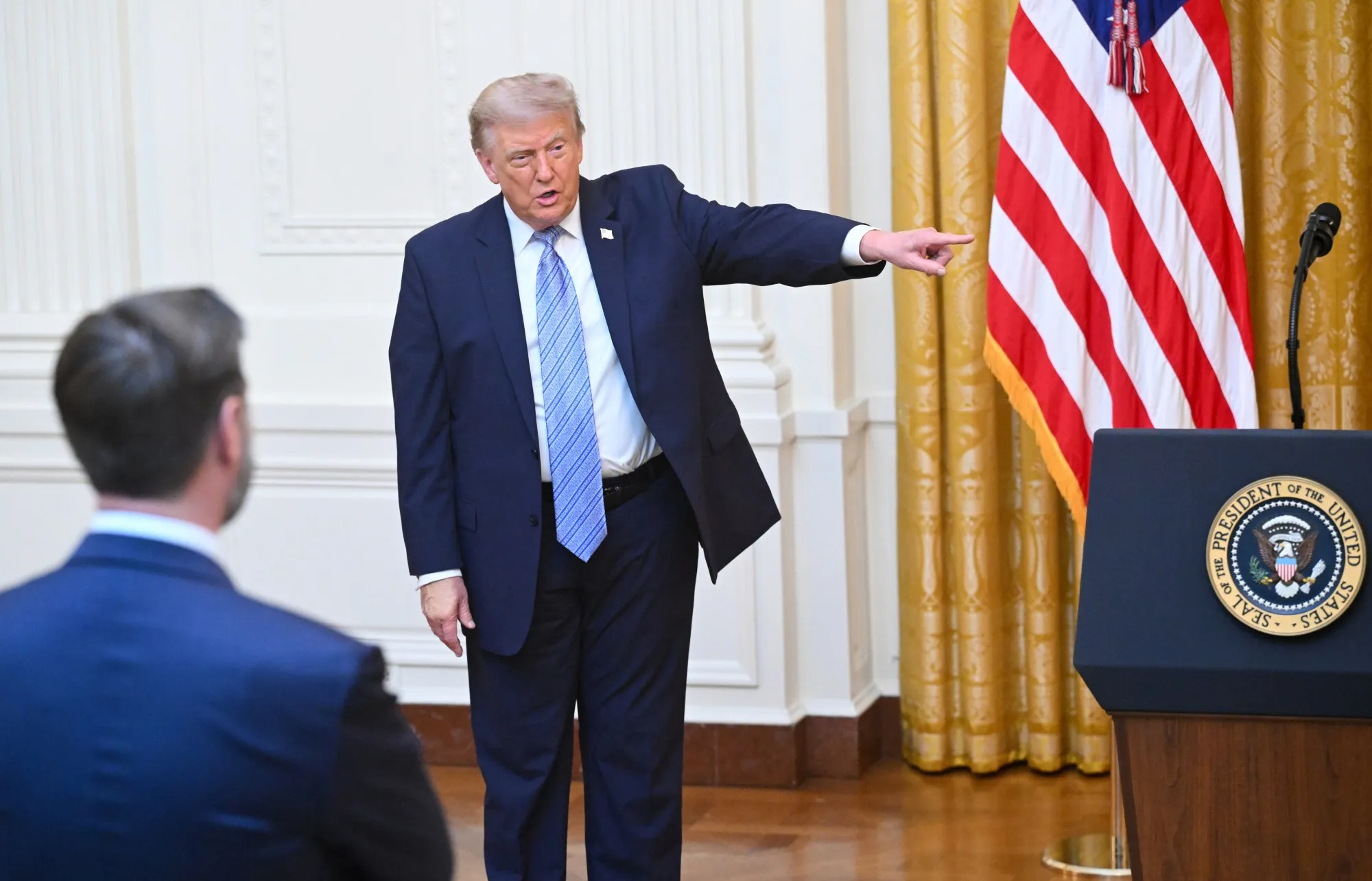
Relations between the United States and China have entered another period of heightened tension after Beijing forcefully rejected allegations by U.S. President Donald Trump accusing China of attempting to interfere in American elections. Chinese officials dismissed the claims as “entirely fabricated” and warned that continued accusations could further damage bilateral relations.
The exchange marks the latest chapter in an increasingly complex relationship between the world’s two largest economies, where disputes over trade, technology, national security, and geopolitics continue to shape diplomatic ties.
Beijing Denies Election Interference Allegations
China’s Foreign Ministry responded swiftly to Trump’s comments, categorically denying any involvement in U.S. electoral affairs.
A spokesperson described the allegations as baseless and politically motivated, insisting that China has consistently respected the principle of non-interference in the internal affairs of other countries.
“The allegations are entirely fabricated,” the ministry said, adding that Beijing has no interest in influencing American elections and rejects what it characterized as attempts to shift domestic political debates onto foreign governments.
Chinese officials argued that Washington should avoid making unfounded accusations without presenting credible evidence.
Warning of Countermeasures
Beyond denying the allegations, Beijing also issued a warning that it would take “necessary countermeasures” if the United States continued to pursue policies or actions that it believes undermine China’s interests.
Although Chinese officials did not specify what those measures might involve, analysts say Beijing has a range of diplomatic and economic options available, including:
- Imposing restrictions on American companies operating in China.
- Introducing new tariffs or trade barriers.
- Suspending bilateral cooperation in selected areas.
- Responding with diplomatic protests or reciprocal sanctions.
The warning reflects China’s increasingly assertive approach to defending its international interests amid growing strategic competition with Washington.
Rising Political Tensions
The latest dispute comes as relations between Washington and Beijing remain strained across several fronts.
Over the past few years, the two powers have clashed over issues including:
- Trade and tariffs;
- Semiconductor and technology restrictions;
- Taiwan;
- The South China Sea;
- Human rights concerns;
- Cybersecurity and alleged espionage.
Election-related accusations now add another sensitive issue to an already crowded diplomatic agenda.
Political analysts note that such disputes often intensify during U.S. election cycles, when foreign policy and national security become central campaign issues.
Beijing Reiterates Non-Interference Policy
Chinese officials emphasized that their government has repeatedly stated it does not seek to influence the political systems or elections of other nations.
They argued that China remains focused on domestic economic development and international cooperation rather than involvement in foreign electoral processes.
The Foreign Ministry also called on the United States to respect international norms governing state-to-state relations and avoid rhetoric that could increase mistrust between the two countries.
Potential Impact on Economic Relations
The renewed exchange has also raised concerns among investors and multinational businesses closely monitoring U.S.-China relations.
The two countries remain deeply interconnected economically despite years of tariffs and trade restrictions.
China continues to be one of America’s largest trading partners, while many U.S. companies depend on Chinese manufacturing, supply chains, and consumer markets.
Any escalation triggered by political disputes could affect:
- Bilateral trade;
- Foreign investment;
- Financial markets;
- Technology cooperation;
- Global supply chains.
Market analysts caution that uncertainty surrounding U.S.-China relations often creates volatility for businesses operating internationally.
Strategic Competition Continues
Experts say the latest war of words reflects the broader strategic rivalry between Washington and Beijing rather than a single political disagreement.
Competition now extends beyond economics into areas such as artificial intelligence, advanced manufacturing, military modernization, cybersecurity, and influence within international organizations.
Both governments increasingly view their relationship through the lens of long-term strategic competition, making diplomatic disagreements more frequent and often more difficult to resolve.
Calls for Dialogue
Despite the sharp rhetoric, foreign policy specialists continue to encourage both governments to maintain diplomatic communication to prevent further deterioration in relations.
Regular dialogue, they argue, remains essential for managing disputes and avoiding misunderstandings between two nuclear powers whose decisions have global economic and security implications.
An Already Fragile Relationship
China’s rejection of Trump’s election interference accusations illustrates the fragile state of U.S.-China relations at a time when both nations are navigating significant political, economic, and geopolitical challenges.
Whether the latest dispute develops into broader diplomatic or economic retaliation will depend on future actions taken by both governments. For now, Beijing has made clear that it rejects the allegations outright and stands ready to respond if it believes its national interests are threatened.
As the world’s two largest economies continue to compete across multiple fronts, the international community will be watching closely to see whether renewed tensions give way to dialogue—or lead to another period of escalating confrontation.
About the Author