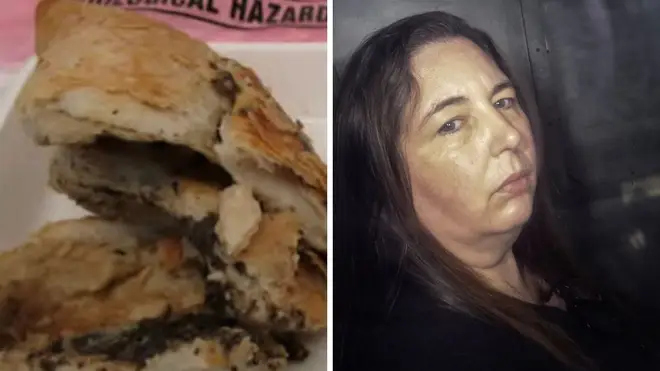
Melbourne, Australia — In a chilling case that has gripped the nation and shocked the world, an Australian woman has been found guilty of murdering three of her relatives by serving them poisonous mushrooms in a homemade beef Wellington.
The woman, Erin Patterson, 49, was convicted on Tuesday after a highly publicized trial revealed that she had deliberately used death cap mushrooms, one of the most toxic fungi on Earth, to lace a family meal that turned deadly.
The victims — her former in-laws Gail and Don Patterson, both in their 70s, and Heather Wilkinson, Gail’s sister — all died within days of eating the meal at Patterson’s home in Leongatha, a quiet rural town in Victoria. A fourth guest, Ian Wilkinson, a local pastor and Heather’s husband, survived after being placed in a medically induced coma and undergoing a liver transplant.
A Deadly Dish Disguised as Hospitality
According to prosecutors, Erin Patterson invited the four relatives to lunch in an effort to “reconcile” after years of family tensions. She prepared beef Wellington — a dish traditionally made with steak, mushrooms, and puff pastry — but laced the mushroom mixture with Amanita phalloides, the deadly death cap variety.
Witnesses said the victims fell violently ill within hours. Initial confusion over food poisoning quickly gave way to suspicion as toxicology reports confirmed the presence of amatoxins, which attack the liver and kidneys and are almost always fatal if untreated.
Despite early claims of innocence and repeated assertions that the poisonings were an accident, investigators discovered online searches on Patterson’s devices related to deadly mushrooms, liver damage symptoms, and mushroom foraging.
The Trial That Captivated a Nation
Throughout the trial, Patterson maintained that she had no intention to harm anyone and claimed she had purchased the mushrooms from an Asian grocery store. However, prosecutors argued that the likelihood of unintentionally buying such rare and lethal fungi — and serving them specifically to estranged family members — was beyond coincidence.
Jurors were shown evidence of journal entries, deleted search history, and inconsistent testimonies, all of which pointed to premeditation. One entry allegedly read, “I wish they would just forgive me,” which prosecutors said reflected guilt, not grief.
After deliberating for five days, the jury returned a unanimous verdict of guilty on three counts of murder and one count of attempted murder.
Sentencing and Aftermath
Erin Patterson is expected to be sentenced next month and faces life imprisonment. Legal analysts say it is one of the most disturbing and rare cases of culinary homicide ever seen in Australia.
The case has also sparked wider public awareness about the dangers of foraging for wild mushrooms, with health authorities issuing new warnings about the fatal risks of consuming unidentified fungi.
As the small town of Leongatha mourns and the surviving family seeks closure, one lingering question remains: how a meal meant to bring people together became a weapon of unimaginable tragedy.
About the Author