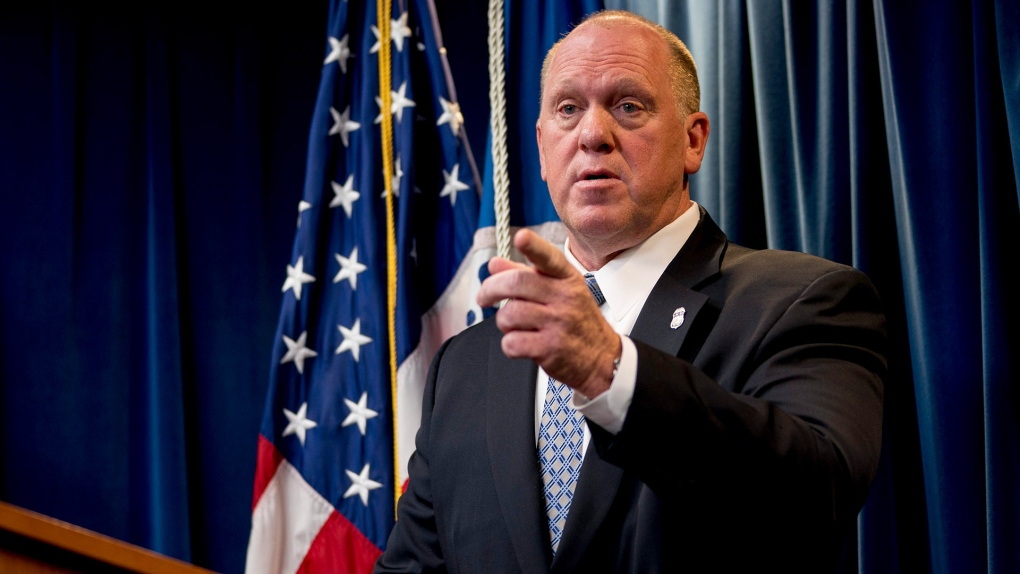
In a recent announcement, former President Donald Trump revealed that Tom Homan, who served as the acting director of U.S. Immigration and Customs Enforcement (ICE) during his administration, will take on the role of “border czar” if Trump returns to office. Known for his firm stance on immigration enforcement, Homan is expected to lead efforts to tighten border security and oversee immigration policies, positioning him at the forefront of one of Trump’s key campaign issues.
Homan’s tenure at ICE was marked by a series of high-profile crackdowns on illegal immigration, emphasizing strict enforcement and border security measures. His approach garnered both support and criticism, making him a polarizing figure in the debate on immigration reform. With this new role, Homan would oversee a range of responsibilities, including securing the U.S.-Mexico border, addressing illegal immigration, and coordinating efforts with federal and local law enforcement.
What Homan’s Appointment Could Mean for U.S. Immigration Policy
Trump’s choice of Homan as “border czar” sends a clear signal about the direction his administration intends to take on immigration if he regains office. Homan’s views align closely with Trump’s own emphasis on building physical barriers along the southern border, increasing enforcement, and imposing stricter immigration regulations. Homan has often argued that strict enforcement is essential for national security, economic stability, and preserving jobs for American workers.
Supporters of Trump’s decision view Homan as an experienced, no-nonsense leader who will bring order to the border and reduce illegal immigration, a priority for many conservative voters. They believe his track record in ICE shows a commitment to a secure and lawful immigration process. Homan’s advocates also argue that his policies will alleviate the strain on border states and local resources, improving safety and order in communities affected by undocumented immigration.
However, critics of Homan’s appointment worry about the potential for harsher policies and what they see as an overly aggressive approach to immigration enforcement. Immigrant advocacy groups argue that Homan’s past policies were detrimental to immigrant communities, causing fear and disruption for families and leading to questionable detentions. They warn that reinstating Homan in a leadership role could result in a rollback of protections for asylum seekers and create a climate of fear and division.
Homan’s Potential Strategies as Border Czar
If appointed, Homan is likely to prioritize measures such as reinforcing border barriers, increasing detention capacity, and expediting the deportation of undocumented individuals. Homan has been vocal about the need for swift deportations and may advocate for reducing the asylum backlog through a streamlined process. He has also emphasized stronger partnerships with local law enforcement to address immigration-related concerns on a community level.
The Broader Implications of a Homan-led Border Policy
Trump’s decision to place Homan in this pivotal role indicates that immigration will be a central issue of his campaign and, potentially, his administration. Homan’s leadership as border czar could lead to a new era of immigration enforcement that contrasts sharply with current policies, highlighting the significant shifts in approach that could come with a Trump return to office.
As the immigration debate remains a deeply polarizing issue, Homan’s appointment as border czar promises to intensify discussions about the future of U.S. immigration policy and the balance between security, human rights, and economic interests.
In a recent announcement, former President Donald Trump revealed that Tom Homan, who served as the acting director of U.S. Immigration and Customs Enforcement (ICE) during his administration, will take on the role of “border czar” if Trump returns to office. Known for his firm stance on immigration enforcement, Homan is expected to lead efforts to tighten border security and oversee immigration policies, positioning him at the forefront of one of Trump’s key campaign issues.
Homan’s tenure at ICE was marked by a series of high-profile crackdowns on illegal immigration, emphasizing strict enforcement and border security measures. His approach garnered both support and criticism, making him a polarizing figure in the debate on immigration reform. With this new role, Homan would oversee a range of responsibilities, including securing the U.S.-Mexico border, addressing illegal immigration, and coordinating efforts with federal and local law enforcement.
What Homan’s Appointment Could Mean for U.S. Immigration Policy
Trump’s choice of Homan as “border czar” sends a clear signal about the direction his administration intends to take on immigration if he regains office. Homan’s views align closely with Trump’s own emphasis on building physical barriers along the southern border, increasing enforcement, and imposing stricter immigration regulations. Homan has often argued that strict enforcement is essential for national security, economic stability, and preserving jobs for American workers.
Supporters of Trump’s decision view Homan as an experienced, no-nonsense leader who will bring order to the border and reduce illegal immigration, a priority for many conservative voters. They believe his track record in ICE shows a commitment to a secure and lawful immigration process. Homan’s advocates also argue that his policies will alleviate the strain on border states and local resources, improving safety and order in communities affected by undocumented immigration.
However, critics of Homan’s appointment worry about the potential for harsher policies and what they see as an overly aggressive approach to immigration enforcement. Immigrant advocacy groups argue that Homan’s past policies were detrimental to immigrant communities, causing fear and disruption for families and leading to questionable detentions. They warn that reinstating Homan in a leadership role could result in a rollback of protections for asylum seekers and create a climate of fear and division.
Homan’s Potential Strategies as Border Czar
If appointed, Homan is likely to prioritize measures such as reinforcing border barriers, increasing detention capacity, and expediting the deportation of undocumented individuals. Homan has been vocal about the need for swift deportations and may advocate for reducing the asylum backlog through a streamlined process. He has also emphasized stronger partnerships with local law enforcement to address immigration-related concerns on a community level.
The Broader Implications of a Homan-led Border Policy
Trump’s decision to place Homan in this pivotal role indicates that immigration will be a central issue of his campaign and, potentially, his administration. Homan’s leadership as border czar could lead to a new era of immigration enforcement that contrasts sharply with current policies, highlighting the significant shifts in approach that could come with a Trump return to office.
As the immigration debate remains a deeply polarizing issue, Homan’s appointment as border czar promises to intensify discussions about the future of U.S. immigration policy and the balance between security, human rights, and economic interests.
WWW.WORLDMEDIAFEED.COM
About the Author