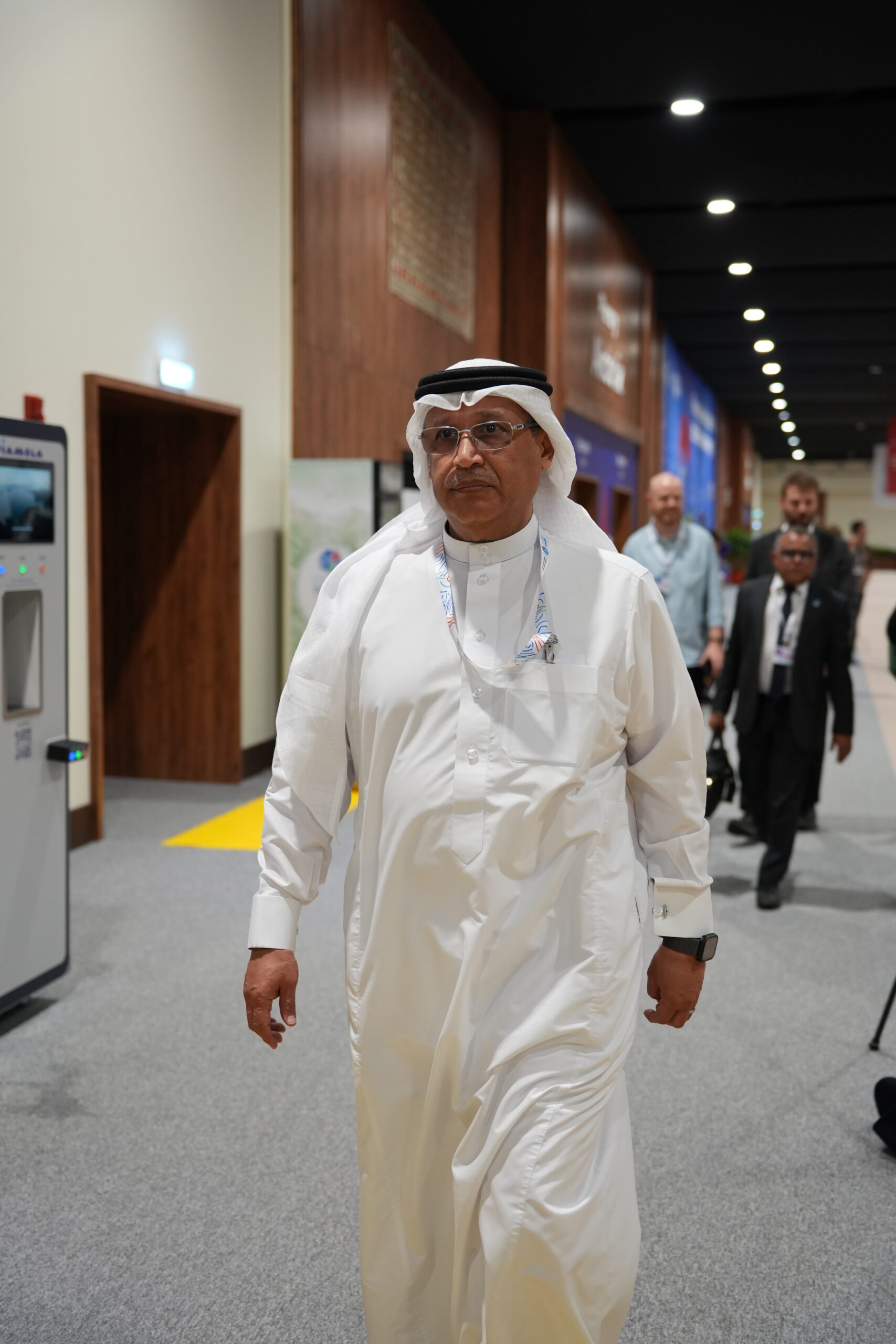
A participant at COP31 in Antalya, Türkiye. Photo: Xuthoria / Wikimedia Commons, CC BY-SA 4.0.
The United Nations climate summit in Antalya, Türkiye, ended without agreement on a broad political declaration after governments failed to bridge divisions over fossil fuels and the ambition of the final text. The outcome exposed continuing disagreements over how quickly countries should move away from coal, oil and gas, and how wealthy nations should support climate-vulnerable countries.
COP31 concluded on November 22 after two weeks of negotiations and two additional days of talks. The UN said nearly 200 countries did reach agreements on a range of formal negotiating issues, including just transition, adaptation, mitigation, technology, transparency and climate finance. But they failed to adopt the separate presidency-led “cover decision” intended to provide an overarching political outcome.
Fossil fuels divide negotiators
The dispute centered on the wording of the proposed political declaration. A group of countries, including the European Union and climate-vulnerable states, wanted a clearer reference to transitioning away from fossil fuels. The final draft did not include that language.
The European Union said it could not support a text that omitted fossil fuels, while other governments argued that the proposed declaration did not reflect the urgency of the climate crisis. The failure to reach consensus meant the presidency-led pact was not adopted.
UN Secretary-General António Guterres described the outcome as deeply disappointing and urged governments to accelerate emissions cuts, increase climate finance and strengthen protections for communities facing climate impacts. He said the lack of political agreement did not change the scientific evidence or the need for action.
Some formal agreements were still reached
The absence of an overarching political pact does not mean the entire summit ended without decisions. According to the UN Framework Convention on Climate Change, governments reached agreements on several mandated negotiating items, including a just-transition work programme and measures related to adaptation, mitigation, technology, transparency and climate finance.
Those decisions include further work to improve access to climate finance and support countries seeking to deploy climate technologies. The UN climate body said the second global stocktake under the Paris Agreement was also launched. That process will assess collective progress and is scheduled to conclude at COP33 in 2028.
However, the broader political disagreement left unresolved questions about the pace of the fossil-fuel transition and the scale of financial support needed by developing countries.
Electrification gains support outside the negotiations
Alongside the formal talks, a separate campaign to expand electrification gained support. The COP31 presidency said countries representing around half of the global economy backed, or expressed an intention to pursue, a goal of raising electricity to 35% of final energy use by 2035.
The target, often described as “35 by 35,” is intended to accelerate the use of electricity in transport, buildings and industry, including through electric vehicles, heat pumps and cleaner power systems. It is part of the summit’s wider action agenda rather than a binding outcome of the failed cover decision.
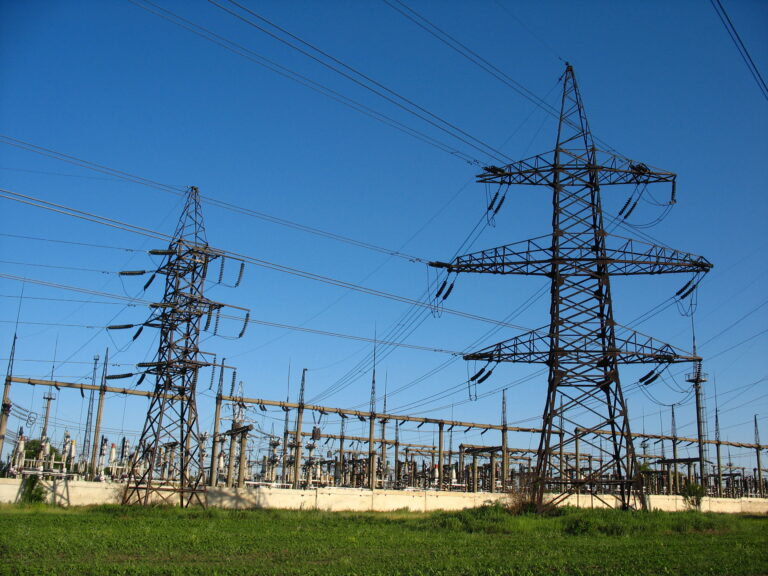
Supporters see electrification as a practical way to reduce dependence on fossil fuels. But expanding electricity use also requires investment in power generation, transmission networks, storage and reliable access, particularly in developing economies.
Pressure shifts to the next climate summit
The negotiations leave governments with a familiar challenge: translating broad climate commitments into an agreed path for implementation, while resolving disputes over responsibility, financing and the future of fossil fuels.
The UN says the next major stage of the global stocktake process will continue over the coming years, with its findings due for consideration at COP33 in 2028. In the meantime, countries face pressure to strengthen their national climate plans and deliver the financing and infrastructure needed to put existing commitments into practice.
World Media Feed distinguishes the failure to adopt the overarching political declaration from the separate formal agreements reached during COP31 negotiations.
Sources
UN Framework Convention on Climate Change — COP31 outcome and agreements (November 23, 2026)
United Nations — COP31 ends without climate pact (November 23, 2026)
Carbon Brief — COP31: Key outcomes agreed at the UN climate talks in Antalya (November 23, 2026)
Reuters — As COP31 stalls, countries and companies rally around electrification (November 26, 2026)
About the Author