By World Media Feed Editorial Team
RABAT, November 11, 2026 — Morocco’s growing automotive industry could face increasing competition as European governments seek to strengthen domestic vehicle manufacturing and encourage companies to keep more production within the continent.
Morocco’s Minister of Industry and Trade, Ryad Mezzour, warned lawmakers on Tuesday that changes in European industrial policy could affect the country’s ability to attract new automotive investment.
Speaking before the House of Representatives’ Productive Sectors Committee during discussions on the proposed 2027 budget, Mezzour said European efforts to rebuild manufacturing capacity could redirect projects that had previously been expected to come to Morocco.
His comments highlight a potential challenge for a country that has spent years positioning itself as a competitive manufacturing and export center connecting European and African markets.
Europe’s industrial ambitions create uncertainty
According to Mezzour, discussions surrounding the European Union’s proposed Industrial Acceleration Act could have important consequences for Morocco.
The minister pointed to a proposed target for 80% of car production to take place within Europe, arguing that such a direction could encourage manufacturers to relocate some operations closer to their principal markets.
The proposal reflects Europe’s broader effort to strengthen industrial competitiveness, support domestic production and reduce strategic dependence on external suppliers.
However, for Morocco, which has benefited from its proximity to European markets and competitive production costs, the shift could create new pressure to retain its position in international automotive supply chains.
Morocco’s competitive advantages face a changing market
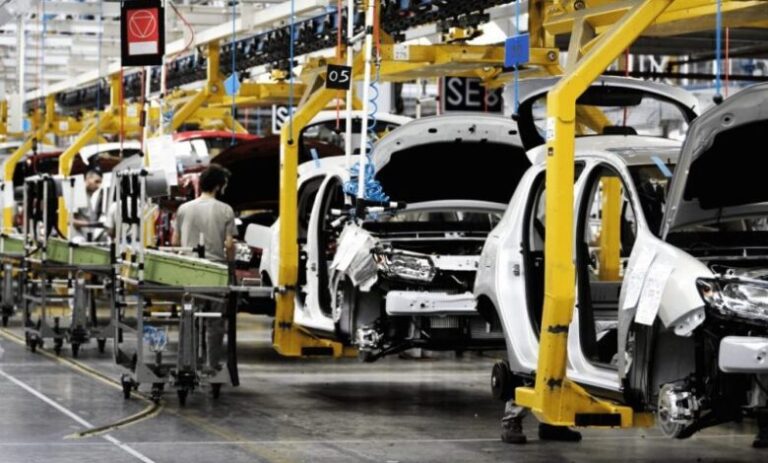
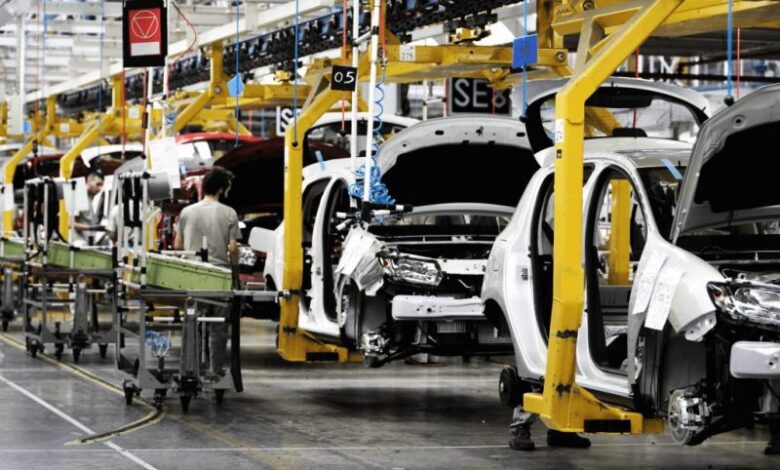
Morocco has developed a significant automotive manufacturing ecosystem, attracting international manufacturers and suppliers to industrial centers including Tangier and Kenitra.
The sector has become one of the country’s most important export industries.
According to foreign trade figures reported for the first nine months of 2026, automotive exports reached approximately MAD 132.11 billion, an increase of 14.3% compared with the same period in 2025.
The aerospace industry also recorded strong growth, with exports rising 22.3% to approximately MAD 26.21 billion.
These figures demonstrate the importance of advanced manufacturing to Morocco’s economic development and export strategy.
Yet strong export performance does not eliminate the possibility of future investment competition.
Automation and innovation become priorities
Mezzour urged Morocco to prepare for the changing industrial environment by accelerating investment in robotics, industrial automation and artificial intelligence.
He also emphasized the importance of strengthening innovation and developing Moroccan brands capable of competing in domestic and international markets.
The challenge, therefore, extends beyond attracting factories. Morocco will need to increase productivity, develop technical expertise and encourage greater local value creation if it wants to remain competitive.
A strategic test for Morocco’s industrial future
The coming years could prove important for Morocco’s relationship with European manufacturers.
European industrial policies may evolve, but the Kingdom still has important advantages, including established industrial infrastructure, geographic proximity to Europe, international trade connections and an experienced manufacturing workforce.
The question is whether these advantages will be sufficient to secure the next generation of automotive and advanced manufacturing investment.
Morocco’s industrial ambitions remain significant. However, the country’s ability to adapt to changing European priorities could help determine whether its automotive success continues to expand or faces a more competitive international environment.
World Media Feed will continue following developments in Morocco’s industrial strategy and their implications for international investment and trade.
About the Author