By World Media Feed Editorial Team
KINSHASA, November 11, 2026 — The Democratic Republic of Congo is facing one of the most severe Ebola outbreaks in its history, with reported infections surpassing 11,000 and deaths exceeding 5,300, according to figures reported by The Associated Press on Wednesday.
The outbreak has become particularly difficult to contain as violence, limited healthcare access and public mistrust complicate efforts to reach affected communities.
The figures highlight the scale of a public health emergency that has spread across several provinces and crossed national borders.
Conflict complicates the response
Health authorities and response teams are confronting several obstacles, particularly in eastern Congo, where armed conflict has restricted access to some affected communities.
The Ituri province accounts for a substantial share of reported infections, while North Kivu has emerged as another important center of transmission.
Poor road infrastructure, an already strained healthcare system and attacks affecting health workers have further complicated containment efforts.
The outbreak has also disrupted education and daily life. Schools in affected communities have experienced infections among teachers, while students and staff face uncertainty and fear.
A virus with limited treatment options
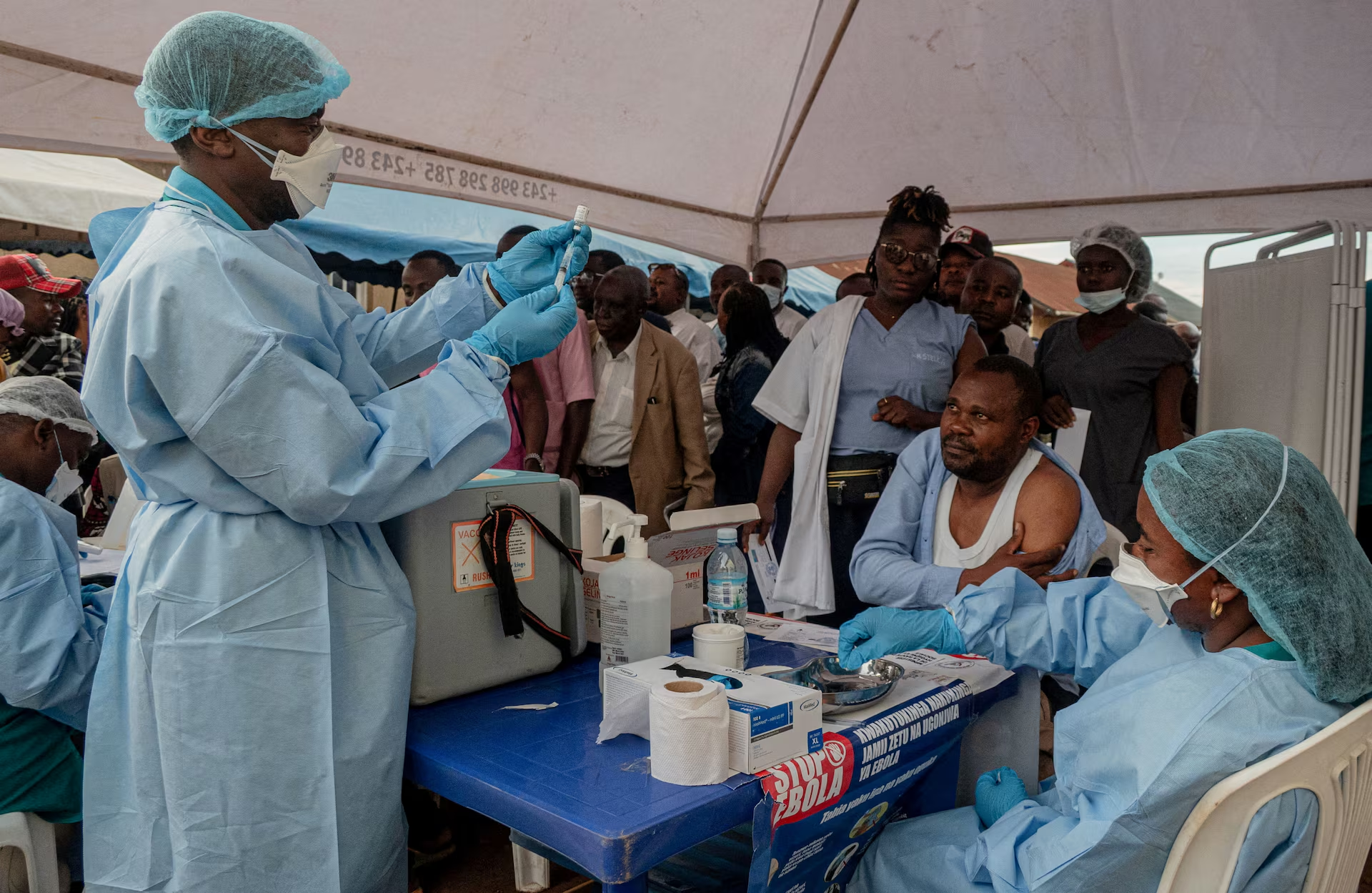
The outbreak involves the Bundibugyo virus, a species of Ebola for which there is no established vaccine or specific treatment, according to the Associated Press report.
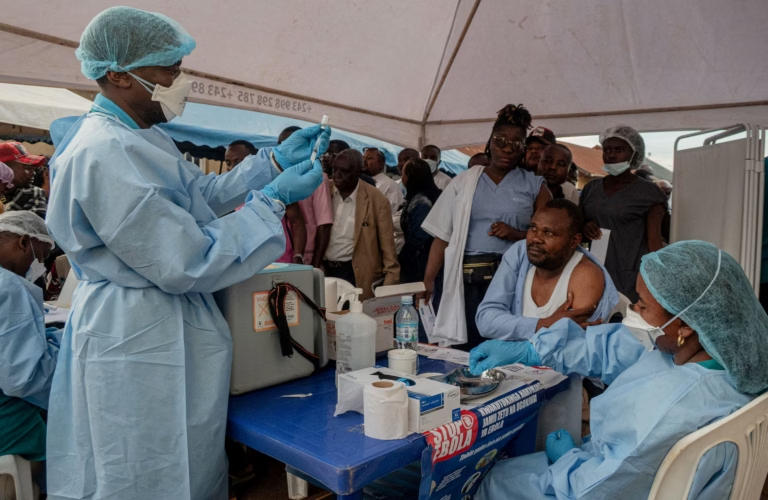
This makes early detection, isolation, infection prevention and supportive medical care particularly important.
The scale of the outbreak also places pressure on neighboring countries to strengthen surveillance and preparedness measures.
Regional implications
Reported cases have extended beyond Congo into other African countries, including Uganda, Kenya and Nigeria.
The developments demonstrate how an outbreak in an area affected by insecurity and limited healthcare infrastructure can create challenges that extend beyond national borders.
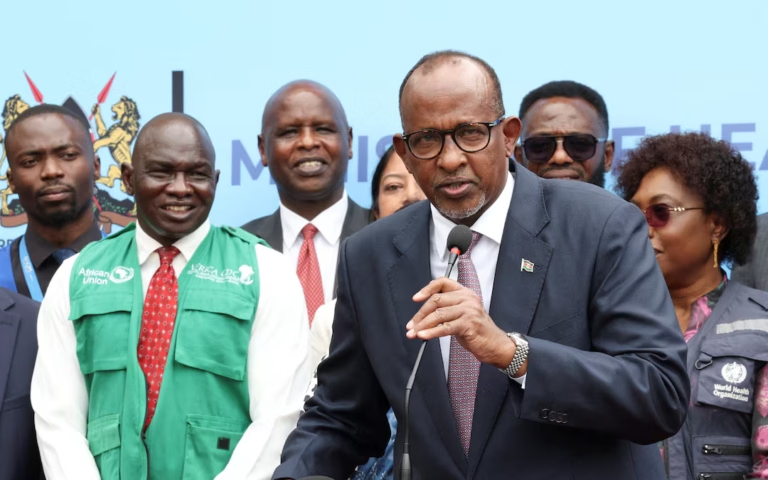
Kenya has separately reported discharging its last Ebola patient, beginning a 42-day monitoring period before a possible declaration that the country is free of the outbreak.
An urgent need for sustained international support
The situation in Congo underscores the importance of continued cooperation between national authorities, regional governments and international health organizations.
Medical supplies, access to affected communities, protection for healthcare workers and public trust will remain essential to controlling transmission.
For families living in affected areas, the crisis is not simply a matter of statistics. It represents the loss of loved ones, disrupted education and the continuing uncertainty of daily life.
The coming weeks will be critical in determining whether containment efforts can slow the outbreak and prevent further regional spread.
World Media Feed will continue monitoring developments and reporting on the humanitarian and public health consequences of the outbreak.
Source: Associated Press, November 11, 2026. Figures and outbreak developments are attributed to the published report.
About the Author