By World Media Feed Editorial Team
November 6, 2026
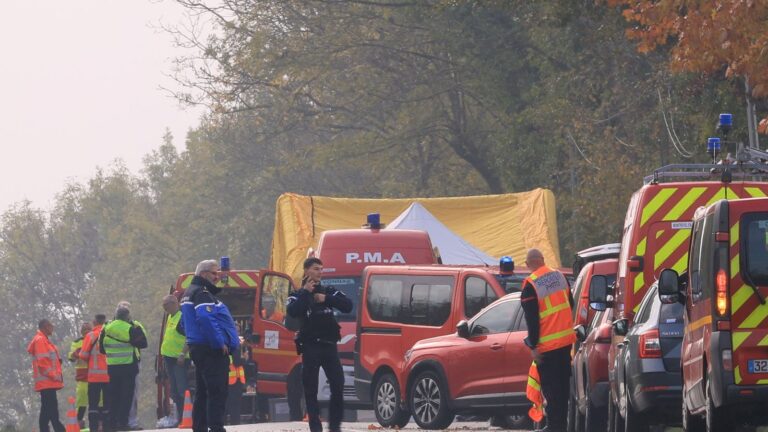
An overnight attack on a village in eastern Democratic Republic of Congo has left at least 33 people dead and forced the evacuation of patients from a local hospital, highlighting the growing difficulties of delivering medical care in a region already struggling with a serious Ebola outbreak.
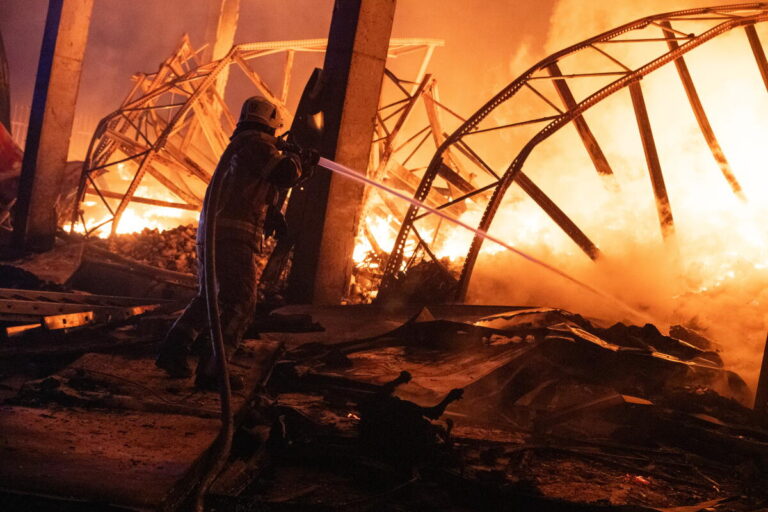
The attack took place in Cantine, in North Kivu province. Local civil society leader Justin Paluku told the Associated Press that at least 33 bodies had been counted and more than 50 houses had been set on fire.
The Allied Democratic Forces (ADF), an armed group with roots in Uganda that pledged allegiance to the Islamic State group in 2019, were blamed for the attack. The reported death toll and responsibility for the assault have been attributed to local sources and should be treated accordingly.
Hospital patients forced to flee
The consequences extended beyond the destruction of homes and the displacement of residents.
According to Christian Kakule, medical director of the Kelekele Hospital Center in Cantine, approximately 180 patients were evacuated following the violence. The group included people suspected of having Ebola, as well as one confirmed case.
The evacuation raises concerns about continuity of treatment, patient monitoring and the ability of health workers to maintain infection-control measures during an emergency.
An outbreak made harder to contain
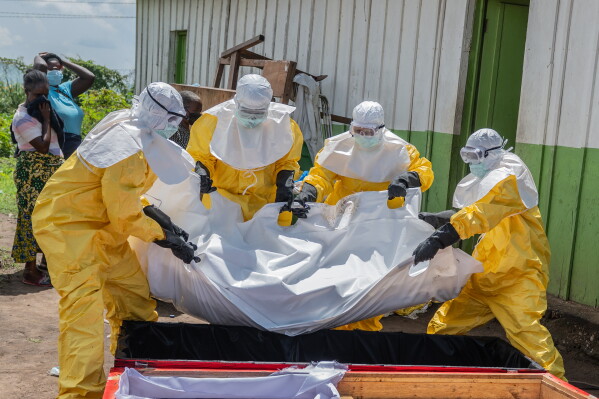
The attack comes as the DRC continues to face a major outbreak of Bundibugyo virus disease, a rare form of Ebola.
According to the European Centre for Disease Prevention and Control, the country had reported 10,668 confirmed cases and 5,198 related deaths as of November 4, based on data available through November 3.
North Kivu is among the affected provinces. Insecurity and population displacement create additional obstacles for medical teams working to identify cases, monitor contacts and provide treatment.
Security and public health increasingly connected
The events in Cantine illustrate how armed violence can disrupt essential services at a time when communities depend heavily on reliable medical access.
For residents, the immediate concerns include safety, shelter and access to healthcare. For public-health teams, the evacuation of patients creates further challenges in maintaining treatment and monitoring arrangements.
The situation remains developing, and further information from local authorities, health officials and humanitarian organizations will be important in establishing the full impact of the attack.
Sources: Associated Press reporting; European Centre for Disease Prevention and Control (ECDC).
About the Author