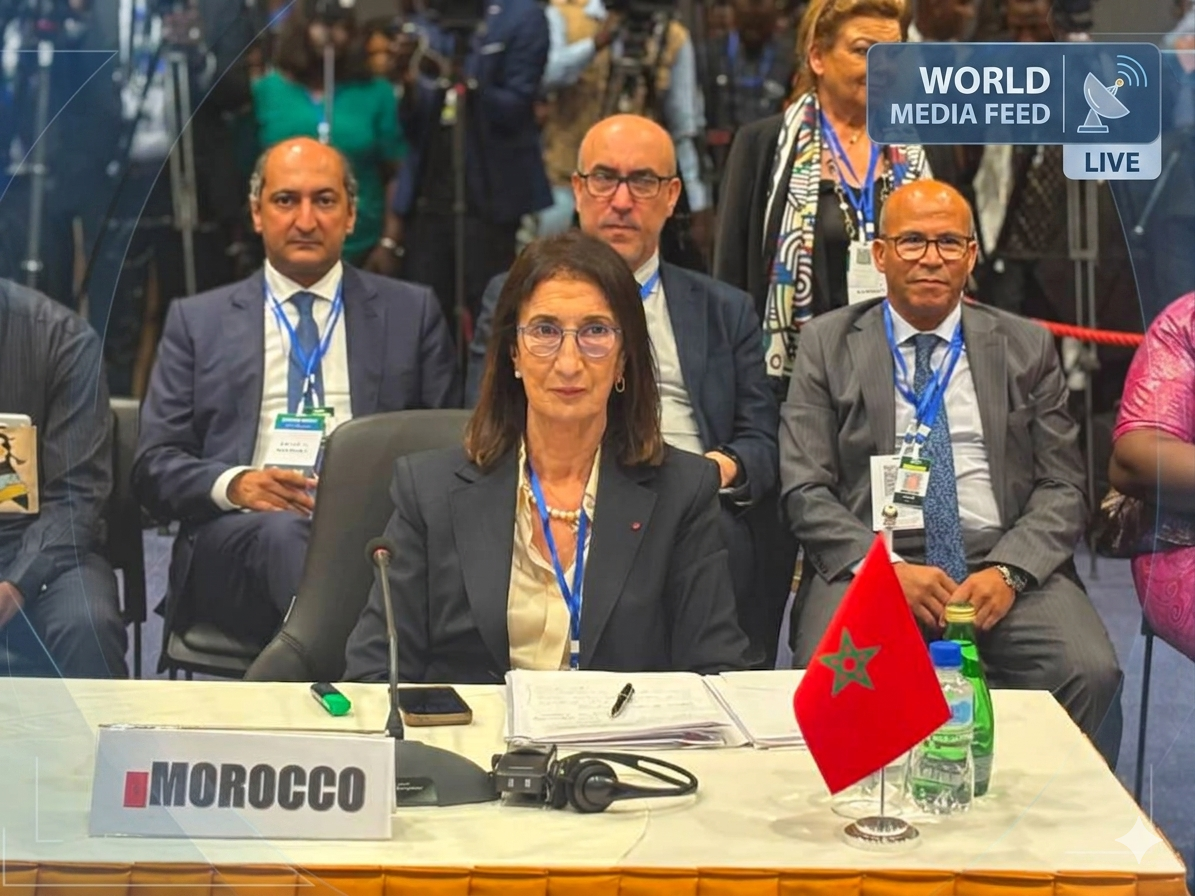
FREETOWN, Sierra Leone — July 19, 2026 — In a landmark decision expected to reshape Africa’s energy future, leaders of the Economic Community of West African States (ECOWAS) officially endorsed the Nigeria-Morocco African Atlantic Gas Pipeline (AAGP) by signing a comprehensive Intergovernmental Agreement (IGA) during the ECOWAS Summit in Freetown, Sierra Leone.
The signing marks one of the most significant milestones since the project’s launch, transforming what began as a bilateral initiative between Morocco and Nigeria into a continent-wide strategic infrastructure project supported by all ECOWAS member states.
The ambitious pipeline, stretching nearly 6,800 kilometers, will transport natural gas from Nigeria along Africa’s Atlantic coastline through thirteen countries before reaching Morocco, where it will connect to the Maghreb-Europe Gas Pipeline and eventually the European gas network.
A Vision Becoming Reality
The African Atlantic Gas Pipeline was first launched through the vision of His Majesty King Mohammed VI of Morocco and the late Nigerian President Muhammadu Buhari. Today, the project continues to receive the strong backing of Nigerian President Bola Ahmed Tinubu, reflecting the enduring strategic partnership between the two nations.
The project is being jointly developed by Morocco’s National Office of Hydrocarbons and Mines (ONHYM) and the Nigerian National Petroleum Company Limited (NNPC Ltd.), two institutions that have spent years conducting extensive technical, engineering, and environmental studies.
According to project officials, these critical studies have now been completed, allowing the pipeline to move into its operational development phase.
Next Phase of Development
The newly signed agreement establishes the legal and institutional framework for the project’s next stage.
Among the major developments announced are:
- The creation of the Project Company, which will be headquartered in Casablanca, Morocco.
- The establishment of the Pipeline Higher Authority, based in Abuja, Nigeria.
- The mobilization of international investors.
- Preparations for the Final Investment Decision (FID), a crucial step before construction begins.
A final signing ceremony will also take place in Morocco, where the Kingdom of Morocco and the Islamic Republic of Mauritania are expected to formally sign the agreement in the presence of the President of Nigeria.
A $25 Billion Investment in Africa’s Future
With an estimated cost of approximately $25 billion, the African Atlantic Gas Pipeline ranks among the largest energy infrastructure projects ever undertaken on the African continent.
Once operational, the pipeline will have an annual transport capacity of 30 billion cubic meters of natural gas.
Up to 15 billion cubic meters could be exported to Morocco and European markets, while the remaining supply will help meet the growing energy needs of West African countries, supporting electricity production, industrial development, and economic diversification.
The first operational sections of the pipeline are expected to become operational at the beginning of the next decade.
Strengthening African Integration
Beyond its economic significance, the project has become a symbol of regional cooperation and African integration.
By securing the collective endorsement of all ECOWAS member states, the Freetown Summit has elevated the pipeline into a truly pan-African initiative designed to strengthen regional connectivity, improve energy security, and promote sustainable development across West Africa.
Officials emphasized that the project is intended not only to transport natural gas but also to create a development corridor that connects African economies, enhances trade, attracts investment, and improves industrial competitiveness throughout the region.
A Strategic Milestone for Energy Security
The endorsement by ECOWAS significantly strengthens the political and institutional foundation of the project while reinforcing the original vision shared by Morocco and Nigeria—that Africa’s long-term energy security is essential for economic sovereignty, industrialization, and shared prosperity.
As global demand for reliable energy infrastructure continues to grow, the Nigeria-Morocco African Atlantic Gas Pipeline is increasingly viewed as one of Africa’s most transformative strategic projects, positioning West Africa as a key player in both regional and international energy markets.
With the signing of the Intergovernmental Agreement in Freetown, the project has entered a new chapter—one that could redefine energy cooperation, economic integration, and sustainable development across the African continent for decades to come.
About the Author