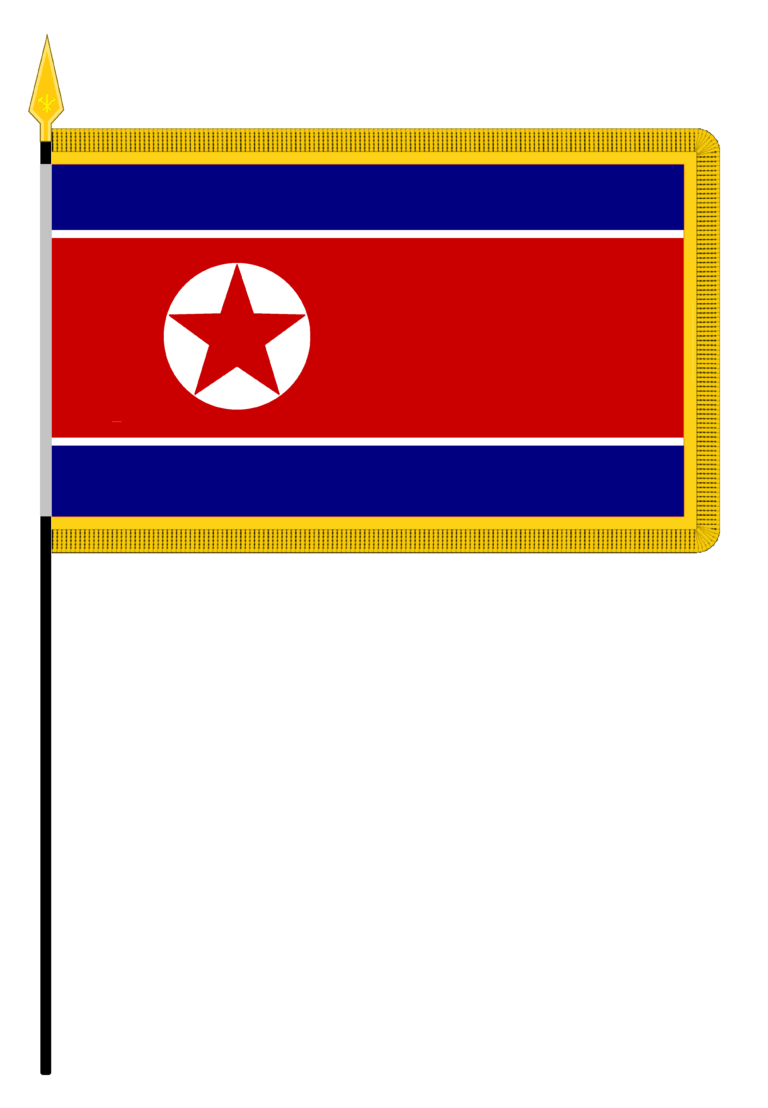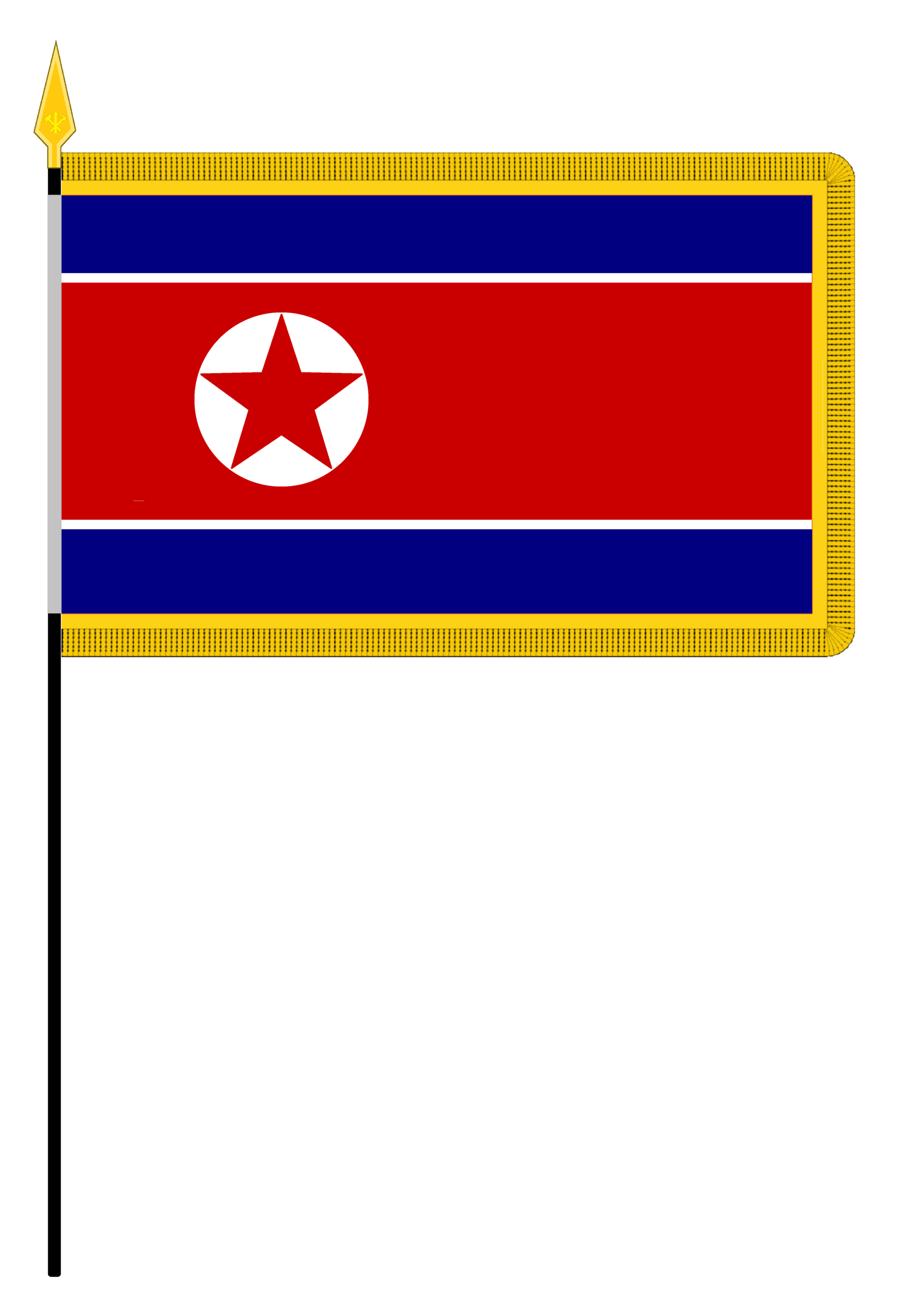
Archival image: North Korean national flag at a parade, September 2026. Photo: 11th03 / Wikimedia Commons, CC0 1.0.
North Korea has ordered the head of Switzerland’s diplomatic office in Pyongyang to leave the country within 48 hours and demanded that the office close, escalating a dispute over Swiss sanctions on a North Korean children’s camp accused by Western governments of involvement in the transfer of Ukrainian children from Russian-occupied territory.
The order against Swiss representative Sylvain Astier was announced by North Korea’s Foreign Ministry on Wednesday and reported by state media. It came less than a month after Switzerland reopened its diplomatic office in the North Korean capital, underscoring how quickly a limited diplomatic opening has deteriorated.
Sanctions trigger diplomatic retaliation
North Korea said its decision was a response to Switzerland adding the Songdowon International Children’s Camp to its sanctions list. Pyongyang described the Swiss measure as an openly hostile act and said it violated North Korea’s sovereignty.
The camp, located near the eastern coastal city of Wonsan, has been targeted by Western sanctions over allegations that it helped facilitate the transfer of Ukrainian children from Russian-occupied areas and exposed them to pro-Russian messaging. Switzerland’s action follows similar measures by the United Kingdom and the European Union.
Those allegations are disputed by North Korea. Leader Kim Jong Un’s sister, Kim Yo Jong, defended the camp’s activities as legitimate cooperation with Russia, but did not directly address the specific allegations concerning Ukrainian children.
Switzerland says diplomatic relations will continue
Switzerland said it regretted Pyongyang’s decision but would maintain diplomatic relations through its embassy in Beijing and North Korea’s embassy in Bern. The Swiss government said the closure of the Pyongyang office would not end formal relations between the two countries.
Bern also maintained that reopening the office did not change its sanctions policy, including measures related to Russia’s war against Ukraine and United Nations sanctions imposed on North Korea over its nuclear program.
The office had resumed operations in October after Switzerland withdrew its staff in 2020 during the COVID-19 pandemic. Swiss Foreign Minister Ignazio Cassis visited Pyongyang for the reopening, part of a broader effort to preserve channels for dialogue with a country that has limited diplomatic engagement with Western governments.
A wider message to countries imposing sanctions
The dispute illustrates the limits of diplomatic engagement when sanctions and security issues collide. Switzerland had sought to maintain a presence in Pyongyang while continuing to apply restrictions connected to the war in Ukraine. North Korea’s response suggests it is unwilling to separate those two tracks in this case.
A South Korean analyst cited by Reuters said Pyongyang’s move could also be read as a warning to the United States and other countries that it does not intend to normalize relations while sanctions remain in place.
North Korea has strengthened its relationship with Russia since Moscow launched its full-scale invasion of Ukraine, including military cooperation. The camp dispute adds another diplomatic dimension to that alignment, linking North Korea’s ties with Russia to its relations with European countries.
What remains open
Switzerland says it will continue to pursue dialogue through existing diplomatic channels. The immediate future of its presence in Pyongyang, however, is uncertain after North Korea ordered the office closed and declared its head persona non grata.
The expulsion does not sever formal diplomatic relations, but it removes a recently restored channel at a time when Switzerland had been trying to rebuild contact with North Korea.
Sources: Reuters; The Associated Press; Yonhap News Agency.
About the Author