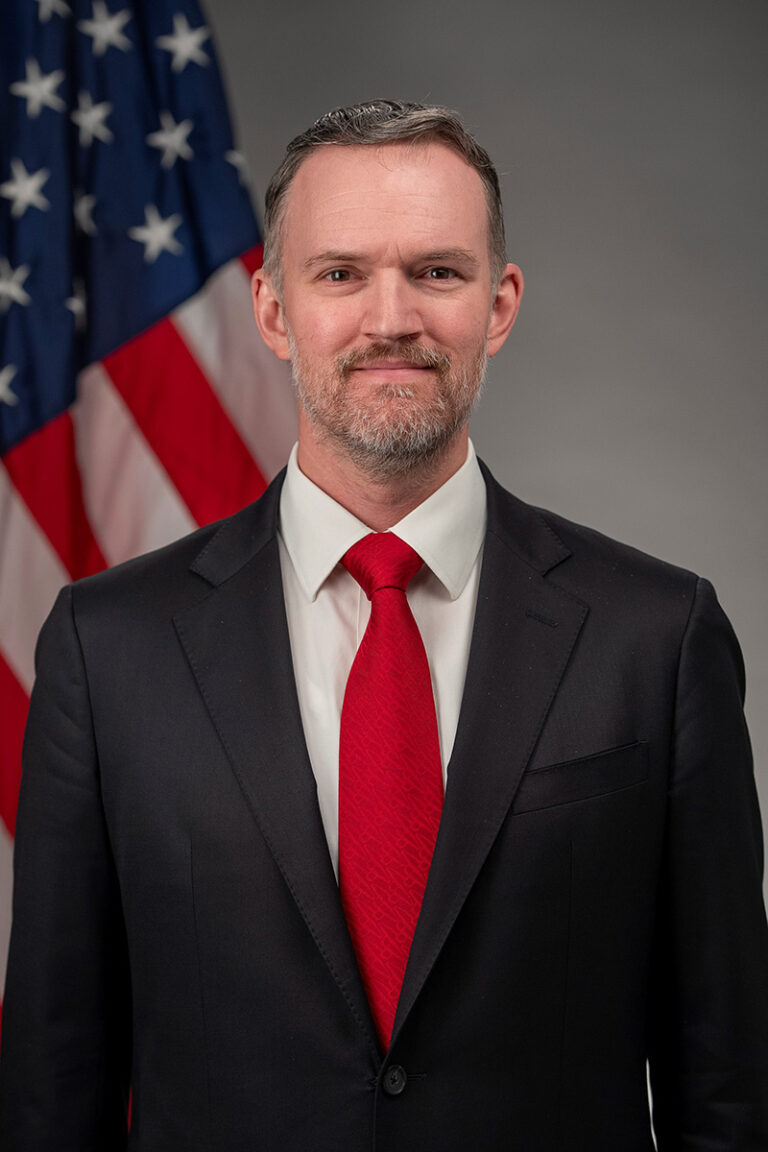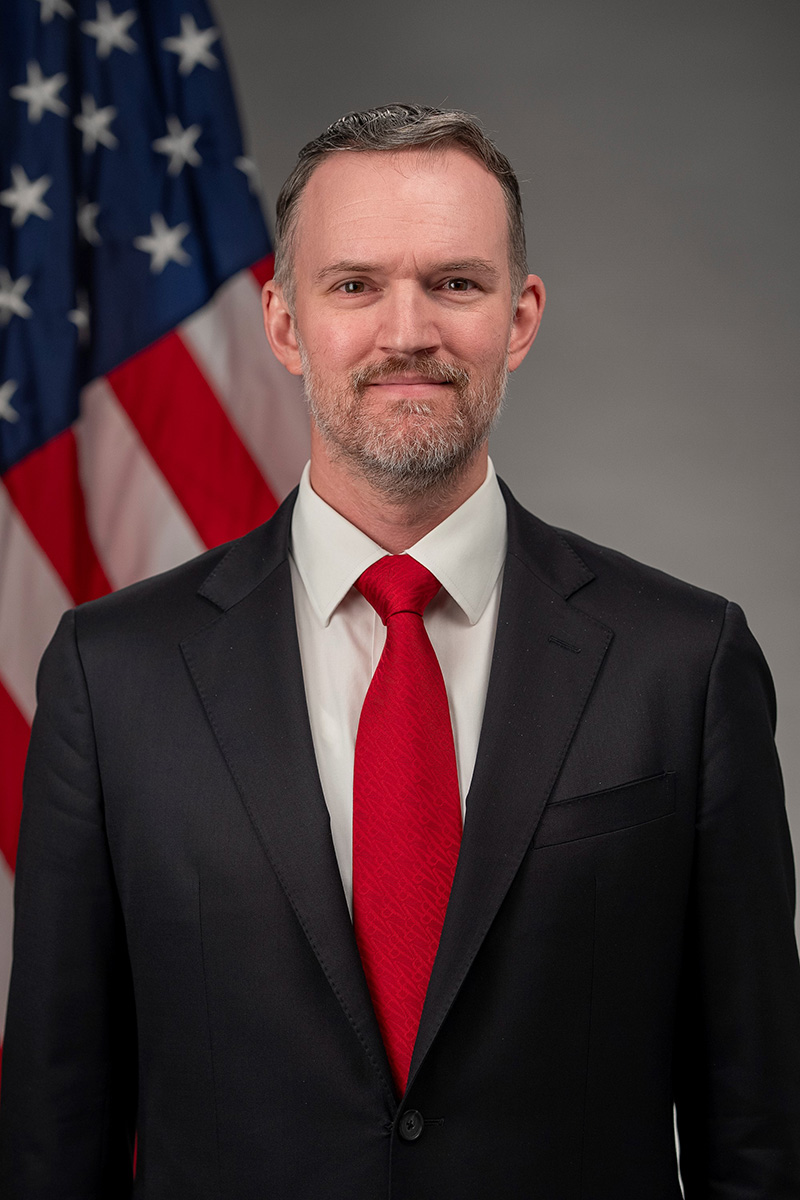
U.S. Trade Representative Jamieson Greer. Official USTR portrait, 2025. Public domain, U.S. federal government work.
The Trump administration has proposed a new round of tariffs on goods from 14 major trading partners, including China, the European Union, Japan and India, after the Office of the U.S. Trade Representative (USTR) concluded investigations into what it describes as structural excess capacity in manufacturing.
The proposals, announced on November 25 under Section 301 of the Trade Act of 1974, are not yet final and are not currently in force. They open a new period of trade consultations that could affect supply chains, exporters and businesses across Asia, Europe and North America.
Which economies are covered?
The 14 economies named by USTR are China, the European Union, Singapore, Switzerland, Indonesia, Malaysia, Cambodia, Thailand, South Korea, Vietnam, Taiwan, Bangladesh, Japan and India. Mexico and Norway were part of the original 16-economy investigations, but USTR said it had not made determinations against them at this stage.
The proposed rates vary by economy and are subject to product exclusions and existing trade commitments. USTR’s announcement includes proposals of up to 35% for Vietnam, up to 20% for China in specified circumstances, and rates generally reaching 15% to 18% for several other partners. The detailed treatment differs by country, and some rates could be adjusted in light of trade agreements or ongoing consultations.
Washington’s case on manufacturing capacity
USTR argues that certain government policies — including industrial planning, financial support, production incentives and barriers to market access — contribute to manufacturing capacity that exceeds demand. The agency says these practices can depress prices, displace production and limit opportunities for U.S. manufacturers at home and in third-country markets.
Those conclusions represent the U.S. government’s findings under its trade law process. The announcement does not mean every government or industry named accepts Washington’s assessment. China has rejected the overcapacity allegations, Reuters reported.
Tariffs still face a public process
USTR has invited public comments on the proposed actions. Written submissions and requests to testify are due by January 5, 2027, while hearings are scheduled to begin on January 25. The agency says the proposed duties are intended to address the practices identified in its investigations, but the final decisions will follow the consultation process.
That distinction is important for companies planning imports. The November 25 announcement sets out proposed measures, not a new set of tariffs that importers should assume has already taken effect. Businesses will need to monitor the country-specific notices and any subsequent U.S. government decisions.
Potential impact beyond the United States
The list includes major U.S. allies as well as strategic competitors. European automakers and industrial exporters, Asian electronics and machinery producers, and manufacturers operating across regional supply chains could all be affected if the proposals become final.
The measures also arrive amid continuing efforts by Washington and several trading partners to negotiate or implement reciprocal trade arrangements. Reuters reported that the proposed rates take account of existing commitments and that the administration is seeking to rebuild tariff leverage through Section 301 after the U.S. Supreme Court struck down its broad emergency-based duties earlier this year.
For now, the next phase is consultation rather than implementation. The final scope, rates and timing will depend on the public process and any agreements reached with the governments involved.
Sources
- Office of the U.S. Trade Representative — November 25 announcement and country-specific findings
- Reuters — U.S. proposes new tariffs on 14 trading partners over excess factory capacity
- Reuters — Five takeaways from the proposed tariffs
World Media Feed Editorial Team
About the Author