By World Media Feed Editorial Team
The Trump administration has announced a new round of proposed tariffs targeting 14 major trading partners, with China facing the highest new rate as Washington intensifies its campaign against what it describes as excess industrial capacity.
The U.S. Trade Representative’s office said the measures followed an eight-month investigation into trade practices involving China, the European Union, Japan, India, South Korea and other major manufacturing economies.
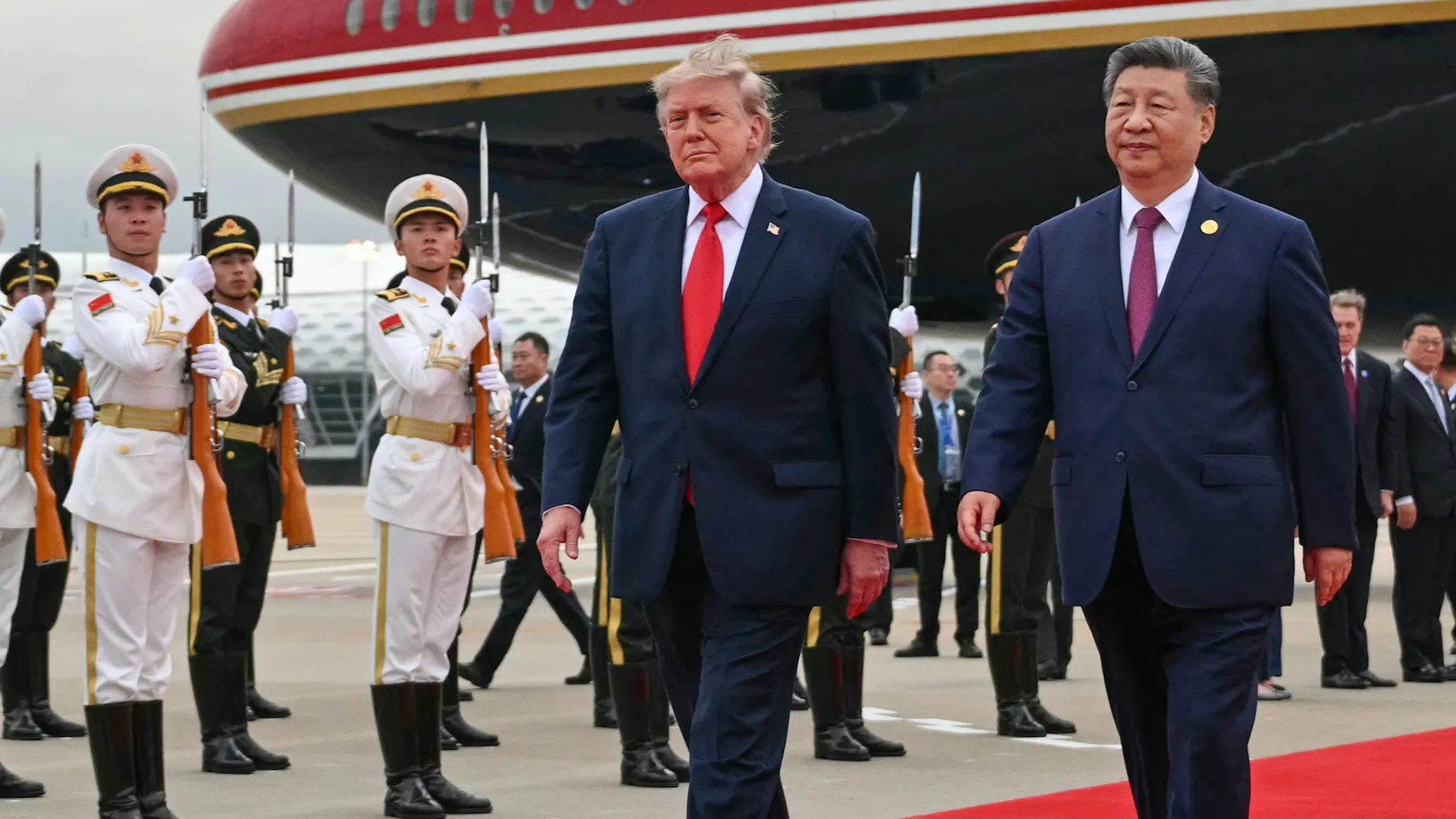
For China, the proposed tariff is 20%, on top of roughly 25% in tariffs carried over from the first Trump administration. Under the current U.S.-China trade truce, the new measure reaches the agreed tariff ceiling, although Washington retains the option of further increases if the agreement breaks down.
China remains the central target
Washington says the targeted economies are supporting manufacturing capacity beyond domestic demand, creating conditions that can push low-priced goods into international markets and put pressure on U.S. producers.
China is the administration’s principal concern. U.S. officials have argued that China’s large industrial base and export capacity contribute to global imbalances in sectors including steel, aluminum, electric vehicles, appliances and solar products.
Beijing rejected the U.S. characterization of its industrial policies. China has not threatened immediate retaliation over the latest measures, while both governments have continued efforts to keep their broader trade truce intact.
14 trading partners face new tariff proposals
The U.S. measures also target Bangladesh, Cambodia, the European Union, India, Indonesia, Japan, Malaysia, Singapore, South Korea, Switzerland, Taiwan, Thailand and Vietnam.
Several of those economies already have trade agreements or ongoing negotiations with Washington. U.S. officials said negotiated tariff ceilings would continue to apply where agreements have been reached, although some countries could face higher rates if talks or commitments fail to satisfy the administration.
Japan and South Korea face proposed rates of up to 15%, while India is facing a proposed 25% rate that could fall under a future agreement. Vietnam could face a higher rate as Washington presses Hanoi over its trade relationship with China.
Tariffs are not taking effect immediately
The new measures are proposals rather than immediately effective duties. They are subject to a public notice and comment process and hearings before implementation.
That leaves room for negotiations. U.S. officials have indicated that countries could seek lower rates through trade agreements or other commitments before the measures take effect, potentially pushing implementation into early 2027.
A new test for the global trade system
The announcement comes at a sensitive moment for U.S.-China relations. Washington and Beijing have recently taken steps to stabilize their trade relationship, including continued discussions over rare-earth supplies and other commercial issues.
The latest tariffs nevertheless create another source of uncertainty for companies that depend on international supply chains. If implemented, higher duties could encourage manufacturers to shift production, renegotiate supply arrangements or seek alternative markets.
There is also a broader risk. Tariffs aimed at China can redirect Chinese exports toward other markets, potentially increasing pressure on Europe, Asia and emerging economies to introduce their own trade defenses.
Reuters reported that analysts expect trade tensions and protective measures to increase as governments respond to China’s manufacturing and export capacity.
Sources: U.S. Trade Representative; Reuters; Associated Press.
About the Author