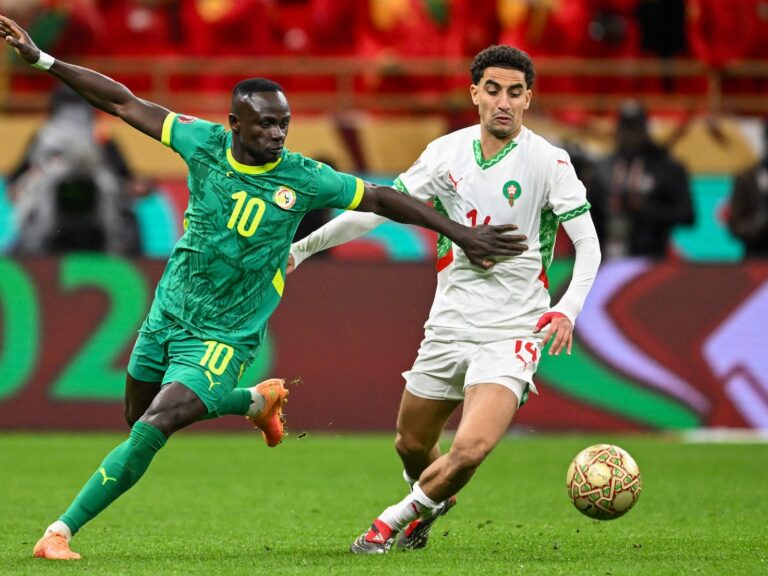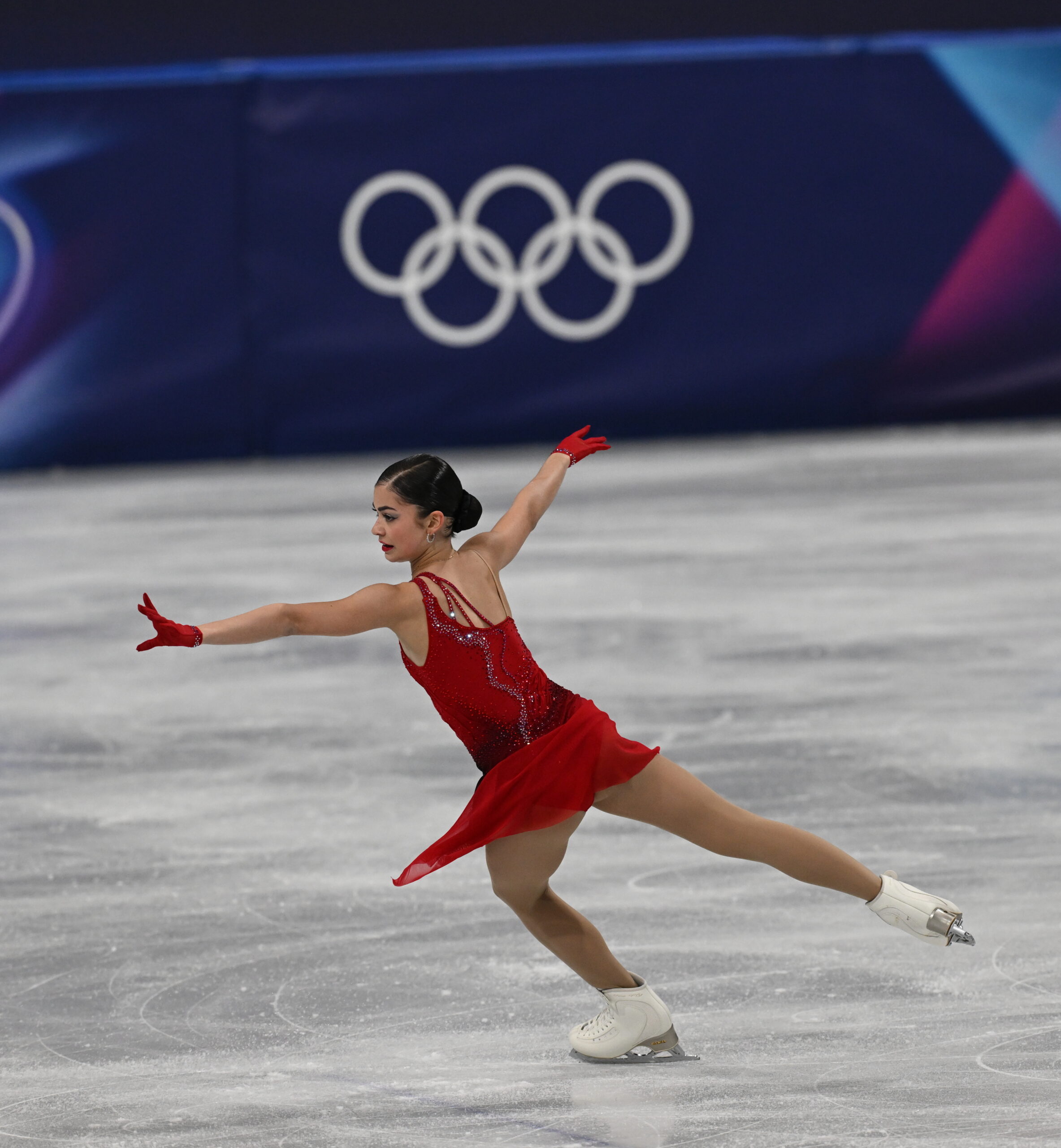
Adeliia Petrosian of the Individual Neutral Athletes competes at Milano Cortina 2026. Photo: Asatur Yesayants / YantsImages, CC BY-SA 4.0.
Russia’s effort to return to international sport is running into growing resistance across Europe, creating a legal and political dispute that could complicate qualifying events for the 2028 Los Angeles Olympic Games.
Although the International Olympic Committee lifted its suspension of Russia in July 2026, the decision has not produced a uniform return. Some international federations have begun allowing Russian athletes to compete, while others retain restrictions. Several European governments have also denied visas or signaled that they will not facilitate Russian participation.
European governments take different positions
Reuters reported on November 23 that Norway, Sweden and Poland have denied visas to Russian athletes, while some national teams have refused to compete against Russian sides. Norway’s ice hockey team, for example, has said it would not play Russia even in junior events.
Those decisions expose a practical problem for international sport: federations may set eligibility rules, but athletes still need visas, host-country approval and event organizers able to provide security. A decision by a sports body to admit competitors does not guarantee that they can enter the country where a tournament is being held.
European Olympic Committees president Spyros Capralos told Reuters that the disagreement could affect qualifying events, including the European Games scheduled for Istanbul in June 2027. The multi-sport event is expected to offer qualification opportunities across several disciplines for Los Angeles 2028.
A legal fight reaches the Court of Arbitration for Sport
The dispute is already before the Court of Arbitration for Sport (CAS). The Russian Olympic Committee has appealed conditions imposed for Russian athletes at the Winter European Youth Olympic Festival in Romania in February 2027.
Under the conditions described by Reuters, Russian competitors would take part using their national Olympic committee’s logo rather than the Russian flag and anthem. CAS said the parties had agreed to an accelerated procedure, with a ruling expected by December 15.
Another legal decision has already changed the landscape for ice hockey. CAS overturned an International Ice Hockey Federation decision to exclude Russia, making the team eligible for next year’s world championships in Germany. German organizers have warned that hosting Russian competitors could require additional security arrangements and costs.
Olympic bodies argue for athlete participation
The IOC has argued that athletes should not automatically lose access to international competition because of their nationality or the actions of their governments. A spokesperson told Reuters that participation should not be limited by an athlete’s passport or by government involvement in a war or conflict.
At the same time, the IOC has acknowledged that international federations must navigate the political and practical consequences of staging events. Outside the Olympic Games, individual federations retain responsibility for decisions about participation in their competitions.
That division of authority helps explain why Russia’s return has been uneven. The IOC can recommend a broad approach, but federations, national governments and host organizers still control important parts of the process.
World Athletics and other federations maintain restrictions
Not every sport has followed the same path. World Athletics, the governing body for track and field, continues to maintain restrictions on Russian participation, Reuters reported. Other federations have begun readmitting Russian competitors, leaving athletes facing different rules depending on their sport and the event.
Russia has said it will pursue legal options. Sports Minister and Russian Olympic Committee president Mikhail Degtyarev has criticized restrictions and said the country would consider available legal avenues. Russia previously secured places for some winter-sport athletes through CAS proceedings.
The 2028 Olympic qualification challenge
The next major test will come as qualification for Los Angeles 2028 gathers pace in 2027. If countries refuse visas, teams decline to compete or organizers cannot agree on security arrangements, qualifying events could face withdrawals, schedule changes or disputes over eligibility.
The issue is no longer limited to whether Russian athletes can enter a competition. It is also about how international sport applies its rules when the decisions of governing bodies collide with national foreign policies and the realities of hosting events during an ongoing war.
For now, Russia’s return remains partial and contested. The December 15 CAS ruling and preparations for the 2027 European Games will offer early indications of whether international sport can find a workable framework—or whether the divisions will deepen ahead of the Los Angeles Olympics.
Sources and reporting basis
This report is based primarily on Reuters reporting published November 23, 2026, including statements from the European Olympic Committees, the International Olympic Committee and information provided by the Court of Arbitration for Sport. WMF has not independently reviewed the underlying CAS case files. The expected December 15 ruling date and the reported visa decisions are attributed to Reuters.
World Media Feed Editorial Team
About the Author