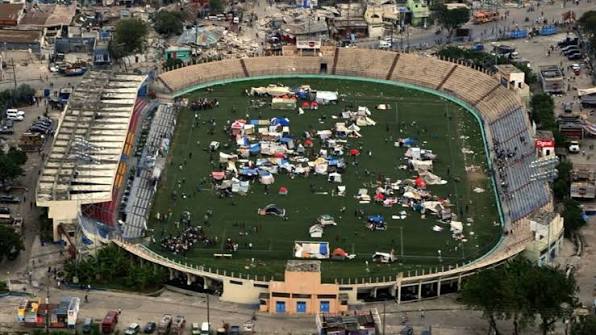
PORT-AU-PRINCE, November 13, 2026 — Haiti has regained control of its most prominent football stadium after nearly three years of gang occupation, but the return of the facility to government hands is unfolding under an unusual arrangement: Salvadoran soldiers are now securing the site as authorities seek to expand their presence in parts of the capital.
The Haitian National Police announced on November 12 that its forces, working alongside the government-backed Task Force, had retaken Sylvio Cator Stadium and surrounding areas in downtown Port-au-Prince.
The police subsequently transferred responsibility for securing the recovered area to Salvadoran military personnel. The deployment places a major national sporting landmark at the center of an expanding international security effort in Haiti.
The stadium had been under the control of armed groups since February 2024, according to reporting from Haitian and international sources.
A football landmark takes on a new role
Sylvio Cator Stadium once served as the home ground for Haiti’s national football team and hosted domestic and international matches.
Its loss to armed groups was another visible sign of how deeply gang violence had disrupted public life in Port-au-Prince. The national team was forced to play international fixtures outside the country as insecurity made home matches impossible.
The latest operation changes the security situation around the stadium, but it does not mean football can immediately return.
Authorities have not announced a reopening date, a restoration plan or a timetable for resuming sporting activities. For now, the priority is securing the area.
Salvadoran troops take up positions
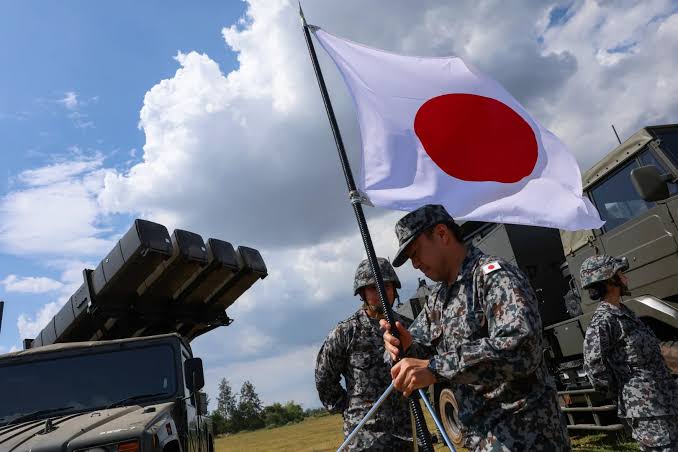
Following the police operation, Salvadoran soldiers moved into the stadium. Haiti’s newspaper Le Nouvelliste reported that more than 20 armored vehicles and military trucks were inside the facility, citing a source close to Haiti’s armed forces.
Salvadoran President Nayib Bukele said the stadium would become an operational base to support further efforts against armed groups. He also warned gangs to leave the area ahead of possible operations.
El Salvador has deployed a substantial military contingent to Haiti as part of the broader international effort against armed groups. The stadium’s new role therefore reflects a shift from a civilian sporting venue to a strategic security position.
The wider security challenge
The recovery comes as Haiti continues to face an extraordinary level of violence.
A United Nations report released on November 11 documented at least 1,167 people killed and another 459 injured between July and September 2026.
The report also raised concerns about abuses committed during security operations. More than half of the people killed or injured during the reporting period were victims of ground or aerial operations conducted by security forces, sometimes with support from a private military company. The UN said more than 16 percent of victims of those operations were not associated with gangs.
Those findings underline the difficult balance facing authorities: restoring state control while protecting civilians and ensuring security operations comply with international human rights standards.
The UN figures cover Haiti as a whole and do not establish that the stadium operation caused any of the reported casualties.
What happens next?
Retaking Sylvio Cator Stadium gives Haitian authorities and their partners a strategically important position in the capital. But holding the facility is only one part of a much larger challenge.
The key questions now concern whether the security presence can be sustained, whether surrounding communities can regain access to public spaces, and whether the stadium can eventually return to its original purpose.
For Haitian football supporters, the recovery carries powerful symbolism. A venue associated with national identity and sporting pride is no longer reported to be under gang control.
But the return of football remains uncertain. Until security improves beyond the stadium’s perimeter, the recovery of one landmark will not by itself signal that Port-au-Prince has turned a corner.
World Media Feed Editorial Team
About the Author