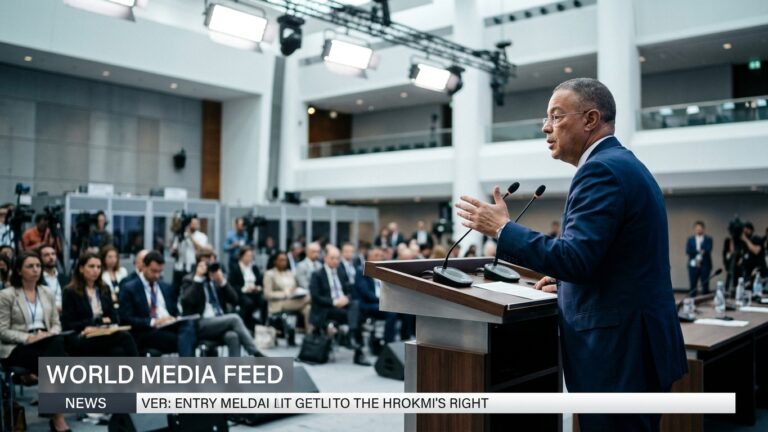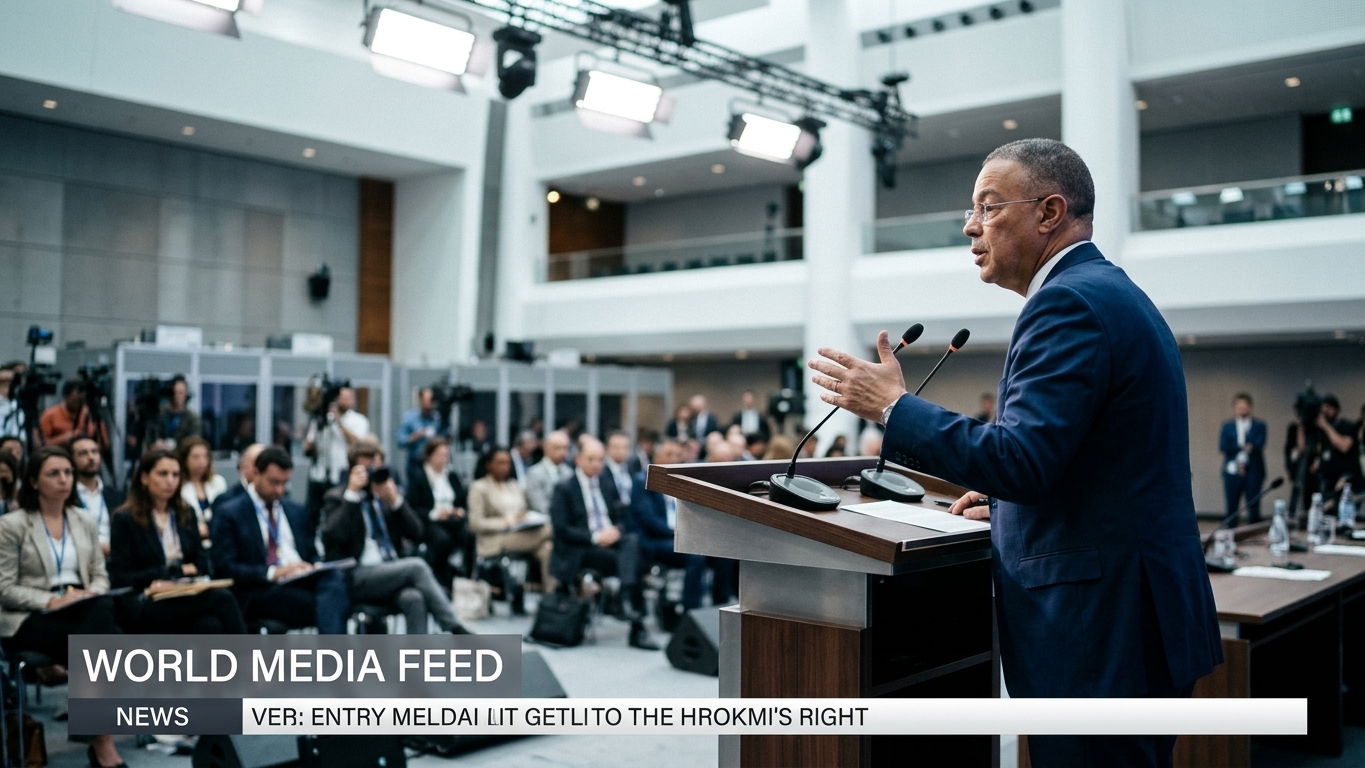
RABAT — Morocco’s proposed 2027 budget includes a series of measures aimed at improving household purchasing power, supporting retirees and expanding public services. The Finance Bill, presented to Parliament on October 23 by Economy and Finance Minister Fouzi Lekjaa, combines proposed income tax reductions with higher social assistance and increased spending on healthcare and education.
The government says the measures are part of a broader effort to reduce economic pressure on households while strengthening public services and supporting employment.
Income Tax Cuts for Workers
One of the most significant proposals concerns personal income tax.
The government plans to raise the annual income threshold exempt from income tax from 40,000 to 60,000 Moroccan dirhams. It has said that 87% of employees could become exempt under the proposed reform, with the changes scheduled to begin on January 1, 2027.
The government estimates that many affected employees could see an increase in monthly take-home pay, although the actual benefit would depend on individual income and family circumstances.
The reform also proposes changes to the tax brackets, with a gradual reduction in the highest marginal rate from 37% to 30% by 2031. The government estimates the initial tax measures will cost approximately 5.5 billion dirhams in 2027.
Higher Minimum Pensions
Retirees are another major focus of the proposed budget.
The government plans to raise the minimum monthly pension to 1,700 dirhams, up from approximately 1,000 dirhams, as an initial step toward a longer-term target of 3,000 dirhams.
The measure is expected to benefit around 500,000 retirees.
The bill also proposes doubling the pension rate granted to eligible widows from 50% to 100%. Authorities estimate that approximately 431,000 widows could benefit from this change.
The two pension measures are expected to cost around 10 billion dirhams.
More Support for Low-Income Families
The proposed budget also includes an increase in direct social assistance.
The minimum monthly payment for eligible households is expected to rise from 500 to 600 dirhams, with further increases planned over time.
In addition, the government proposes covering monthly electricity bills of 100 dirhams or less for approximately six million customers. The measure is expected to benefit households and small businesses, particularly in rural areas.
A further one billion dirhams has been allocated to initiatives intended to make essential goods more affordable and improve distribution channels.
Increased Investment in Healthcare and Education
Healthcare and education are among the largest areas of planned public spending.
The healthcare budget is projected to rise to approximately 45.4 billion dirhams in 2027, an increase of around three billion dirhams compared with 2026.
The government plans to create 8,000 additional positions in the health sector and continue upgrading hospitals and healthcare facilities. The program includes work on regional hospitals, new university hospital infrastructure and the modernization of health services.
Education, higher education and vocational training are expected to receive approximately 121.3 billion dirhams, an increase of 5.3 billion dirhams.
The government also plans to create 17,874 additional positions in these sectors, while continuing programs aimed at improving school performance, expanding preschool education and reducing dropout rates.
Six Billion Dirhams for Youth Employment
Youth employment and professional training are also included in the proposed spending priorities.
The government has allocated approximately six billion dirhams to programs supporting training, employment opportunities and business development.
Plans include training 100,000 young people annually according to labor-market needs and helping another 100,000 obtain their first professional experience each year.
The program also aims to support small and medium-sized businesses through improved access to financing, guarantees and markets.
Economic Growth and Public Finances
Alongside social measures, the government is seeking to maintain control over public finances.
The 2027 budget forecasts economic growth of approximately 3.7%, compared with an estimated 4.7% in 2026. The government also aims to keep the fiscal deficit at around 3% of gross domestic product.
The proposed budget reflects an attempt to balance increased social spending with fiscal discipline. However, its implementation will depend on revenue collection, economic performance and the final decisions made during the parliamentary process.
What Happens Next?
The 2027 Finance Bill must pass through Parliament before becoming law. Members of Parliament may debate the proposals and introduce amendments, meaning that some measures could change before final adoption and publication.
If approved in their proposed form, the measures could affect millions of Moroccan workers, retirees and families beginning in 2027.
For households, the most closely watched proposals are the income tax changes, higher minimum pensions and increased direct assistance. For the country as a whole, the challenge will be translating higher public spending into better services, employment opportunities and improved living conditions.
World Media Feed will continue following the parliamentary process and reporting on the final measures adopted under Morocco’s 2027 Finance Law.
Sources
- Morocco’s Ministry of Economy and Finance — 2027 Finance Bill
- Reuters — Morocco expects stable fiscal deficit despite tax cuts in 2027
- Hespress English — 2027 Finance Bill proposes income tax cuts, higher pensions and expanded social aid
Editorial note: The measures described in this article are proposals in the 2027 Finance Bill. They should not be considered final or legally effective until the bill is adopted and published through the official process.
About the Author