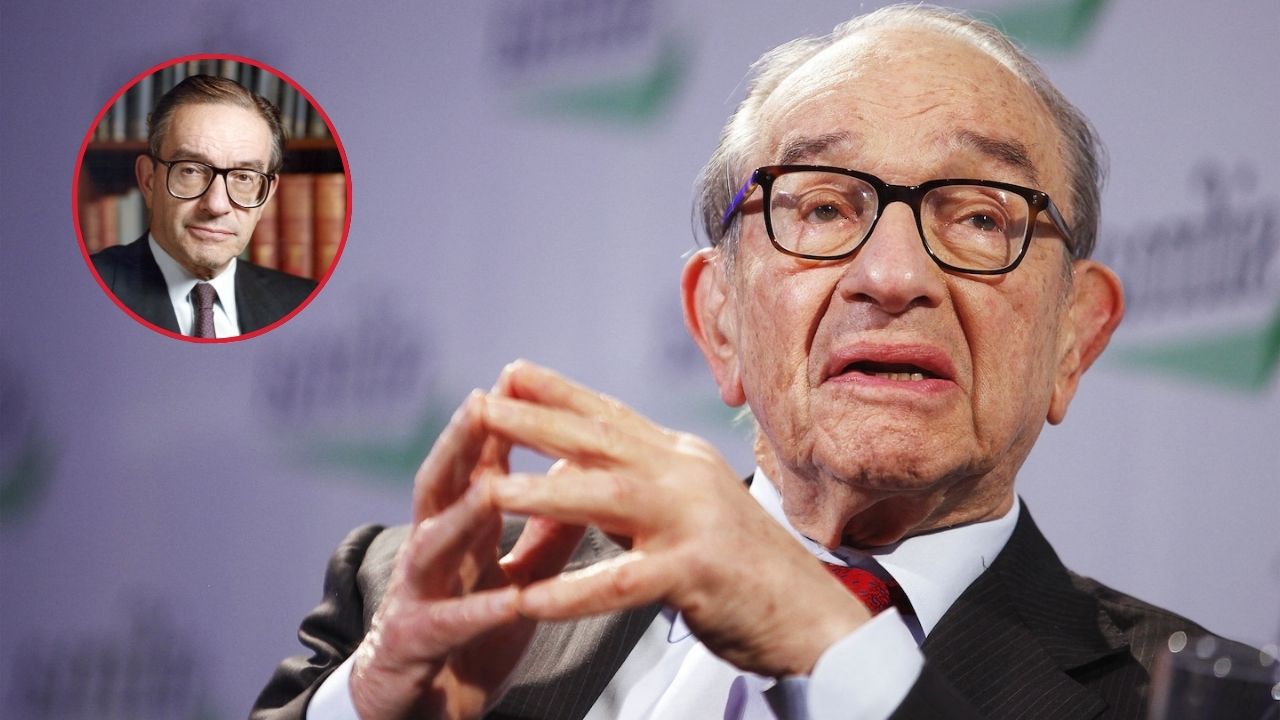
WASHINGTON — Alan Greenspan, the influential economist who guided U.S. monetary policy for nearly two decades and became one of the most powerful figures in global finance, has died at the age of 100.
Greenspan died Monday from complications related to Parkinson’s disease, according to his wife of 29 years, Andrea Mitchell.
His death marks the end of an era in American economic policymaking. As chairman of the Federal Reserve from 1987 to 2006, Greenspan oversaw the nation’s central bank through periods of economic expansion, market turbulence, technological transformation, and financial uncertainty. His tenure spanned the administrations of four U.S. presidents and helped shape modern central banking.
Born in New York City in 1926, Greenspan developed an early interest in economics and finance that would eventually propel him to the highest levels of government. Before joining public service, he built a successful career as an economic consultant and gained a reputation for his analytical approach to markets and fiscal policy.
Greenspan was appointed Federal Reserve chairman by President Ronald Reagan and was later reappointed by successive administrations from both political parties. His leadership during the 1987 stock market crash earned praise for helping stabilize financial markets and reinforcing confidence in the U.S. economy.
Throughout the 1990s, Greenspan became a household name as the United States experienced one of the longest economic expansions in its history. Investors, lawmakers, and business leaders closely monitored his congressional testimony and public remarks, often treating his words as signals of future economic policy.
Yet his legacy remained a subject of debate. Supporters credited him with helping maintain economic growth and low inflation during a transformative period for the U.S. economy. Critics argued that regulatory decisions and monetary policies adopted during his tenure contributed to financial imbalances that later played a role in the 2008 financial crisis.
Following his retirement from the Federal Reserve, Greenspan continued to write, lecture, and comment on economic issues, remaining an influential voice in policy discussions well into his later years.
Tributes poured in from political leaders, economists, and financial institutions around the world. Many praised his intellect, public service, and impact on modern economic thought.
“Alan Greenspan shaped generations of economic policy and influenced how central banks around the world approach financial stability,” one former policymaker said. “His influence will be studied for decades to come.”
Greenspan is survived by Mitchell and other family members. Funeral arrangements have not yet been announced.
As news of his passing spread across global financial centers, many reflected on a career that helped define American economic policy for nearly a generation, leaving a legacy that continues to influence markets and governments worldwide.
About the Author