Lagos, September 12, 2025 — Nigerian authorities have confiscated more than 1,600 exotic birds in what officials are calling one of the country’s largest wildlife trafficking operations in recent years. The seizure underscores the growing role West Africa plays as both a source and transit hub for the illegal wildlife trade.
The birds, which included African grey parrots, lovebirds, and other endangered species, were discovered hidden inside cramped cages and crates during a raid at a warehouse near Lagos port. Officials said the animals were destined for overseas markets in Asia and the Middle East, where demand for exotic pets continues to fuel large-scale smuggling networks.
“This is a landmark operation for us,” said Ibrahim Adamu, a spokesperson for Nigeria’s Customs Service. “The scale of the trafficking shows how organized these networks have become. But it also shows our determination to protect Nigeria’s biodiversity from being plundered.”
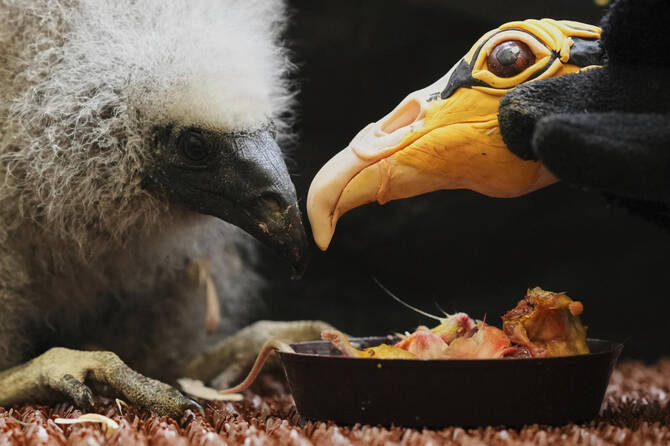
Wildlife experts say the African grey parrot, prized for its intelligence and ability to mimic human speech, has been particularly targeted by traffickers. Populations have plummeted across Central and West Africa, prompting the species to be listed as endangered.
Many of the seized birds were found in poor condition, dehydrated and weakened after days without proper food or ventilation. Veterinary teams from the Nigerian Conservation Foundation are now caring for them before they can be released back into protected habitats.
Conservationists hailed the bust as a victory, but warned that wildlife trafficking remains a multimillion-dollar industry across Africa. “This case highlights both the resilience of law enforcement and the scale of the problem,” said Dr. Funmi Adebayo, a wildlife crime specialist. “As long as there’s high international demand, traffickers will continue to exploit loopholes.”
Authorities confirmed that several suspects were arrested in connection with the operation, and further investigations are underway to uncover the network’s international links.
For Nigeria, the seizure represents not just a win against traffickers, but also a statement of intent. “We want the world to know that Nigeria will not be a safe haven for wildlife crime,” Adamu said.
About the Author