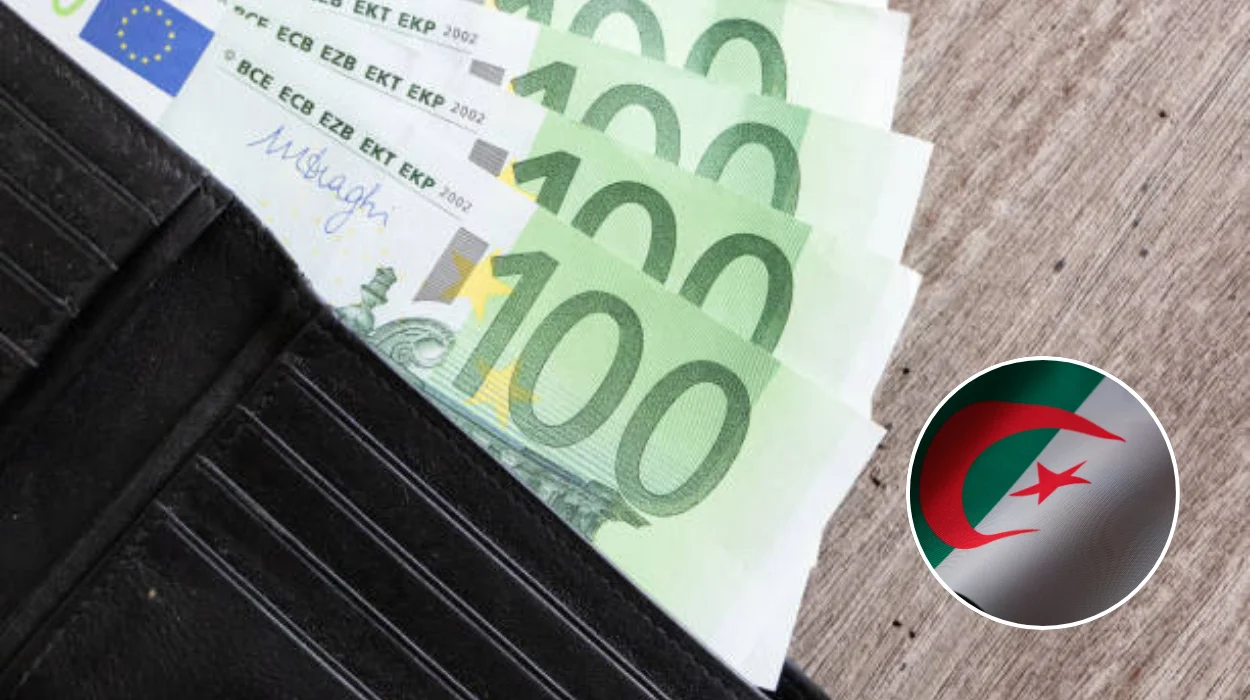
Brussels | July 11, 2025 — In a dramatic move that could rattle Algeria’s economy and international standing, the European Parliament has officially added Algeria to the EU’s blacklist of high-risk countries for money laundering and terrorist financing.
The decision, overwhelmingly adopted on July 9 in Strasbourg, follows a damning assessment by the Financial Action Task Force (FATF), which flagged major deficiencies in Algeria’s financial monitoring systems, oversight of NGOs, and international legal cooperation. It’s a blow Algeria didn’t see coming — and one that’s likely to leave lasting damage.
More Than a Label: What This Means
With its new high-risk status, every financial transaction involving Algerian entities in the EU will now be met with intense scrutiny. Banks and institutions will be required to apply stricter checks, monitor money flows more closely, and report suspicious activity at much higher rates. For Algeria, this translates to a colder investment climate, fewer international partnerships, and rising distrust from global markets.
“This is not about punishing a country—it’s about protecting the integrity of the EU’s financial system,” said MEP Laurence Trochu, a key voice behind the move. “We are facing growing threats from illicit finance, and we must respond decisively.”
For Algeria, whose oil-dependent economy is already straining under the weight of inflation, capital flight, and youth unemployment, this decision could not come at a worse time. International investors—already cautious—may begin pulling out or freezing operations, afraid of being entangled in red tape or reputational fallout.
The Algerian regime, still silent on the decision, has recently been focused on lobbying Washington to block the designation of the Polisario Front—a militant group it supports—as a terrorist organization. But while it fights battles abroad, this EU blow is now setting off alarm bells at home.
According to European security experts, the EU’s move signals growing frustration with Algeria’s opaque military-controlled government, its rampant corruption, and increasing links to non-state armed actors.
“This is more than a financial red flag — it’s a political one,” said Dr. Isabelle Fournier, a Brussels-based analyst. “The EU no longer sees Algeria as a stable or trustworthy partner. That’s a big shift.”
Part of a Bigger Crackdown
Algeria joins a list of other nations flagged as high-risk, including Lebanon, Venezuela, Kenya, Laos, and Côte d’Ivoire. Meanwhile, countries such as the UAE, Panama, and the Philippines have successfully been delisted after tightening their anti-money laundering frameworks.
The European Commission insists this updated blacklist is part of a broader effort to shield the EU from dirty money, terrorism funding, and financial manipulation. Institutions dealing with any listed countries must now conduct rigorous risk assessments — effectively freezing out regimes that don’t meet global standards.
Can Algeria Course-Correct?
EU officials stress the door isn’t closed. If Algeria demonstrates real reform — such as improved oversight, transparency, and cooperation with global regulators — it can be removed from the list. But that path is long and politically costly.
“This is a wake-up call, not a final verdict,” said an EU Commission spokesperson. “The question is whether Algerian authorities are willing to face the music.”
As the EU Council prepares to rubber-stamp the measure in the coming weeks, Algeria finds itself increasingly isolated — not just economically, but diplomatically. Whether it chooses reform or defiance will shape not only its future with Europe but its place in the global financial system.
About the Author