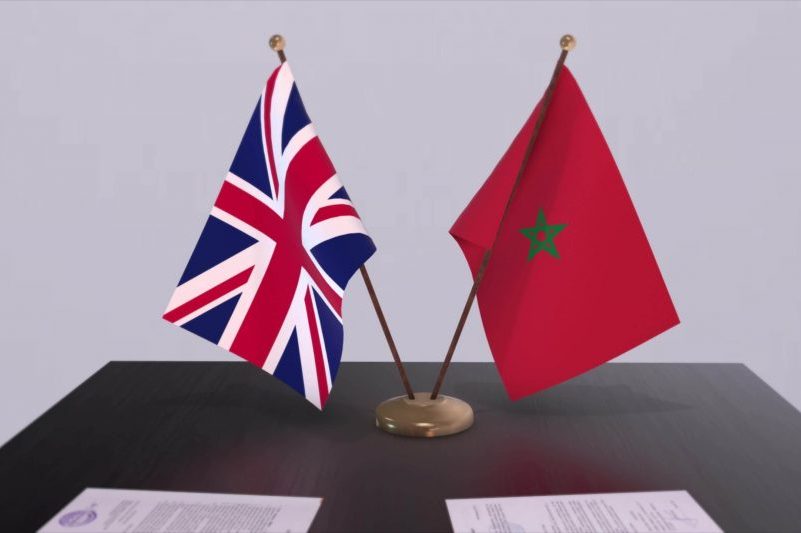
In a strategic move to deepen its post-Brexit global trade footprint, the United Kingdom has reaffirmed its commitment to strengthening trade and investment ties with Morocco, positioning the North African nation as a vital partner and gateway to the African continent.
British and Moroccan officials have recently engaged in high-level discussions aimed at expanding economic cooperation across multiple sectors, including renewable energy, infrastructure, education, and agriculture. The talks reflect a growing recognition of Morocco’s stability, strategic geographic location, and investment-friendly climate.
“We see Morocco as more than a bilateral partner—we see it as a bridge to a broader African market with immense potential,” said a representative from the UK Department for Business and Trade during a joint forum held in London this week. The UK-Morocco Association Agreement, which came into force in 2021, continues to provide a solid foundation for trade continuity and expansion.
British investments in Morocco have grown steadily over the past decade, with notable partnerships in solar and wind energy projects, financial services, and automotive manufacturing. Casablanca Finance City is also attracting increasing interest from UK firms seeking to establish a regional base for Francophone and West African markets.
In turn, Moroccan exports to the UK—ranging from agricultural products and textiles to phosphate-based goods—have seen a notable increase. The British market is becoming a key destination for Moroccan citrus fruits, avocados, and seafood, giving a boost to Moroccan farmers and producers.
Education and skills development remain another area of joint interest. British universities and Moroccan institutions are exploring collaboration on vocational training, English-language education, and research exchange programs, aiming to equip Moroccan youth with skills relevant to modern industries.
Both governments have pledged to continue regular dialogue through business councils, investment forums, and joint working groups. These efforts are expected to unlock more opportunities for small and medium-sized enterprises (SMEs), startups, and green tech innovators in both countries.
As global supply chains shift and energy transition becomes a priority, the UK is betting on Morocco not only as a bilateral trade ally but as a strategic partner for sustainable development and regional integration in Africa.
The future of UK-Morocco trade looks promising, grounded in shared interests, mutual respect, and a common vision of inclusive economic growth.
About the Author