Once a quiet corner of North Africa, Western Sahara is now emerging as a critical front in the battle for regional security. While often overlooked, this vast desert territory has become the focus of international concern — not only because of its complex political status, but due to the rising threat posed by the Polisario Front, a separatist group now entangled with extremist forces.
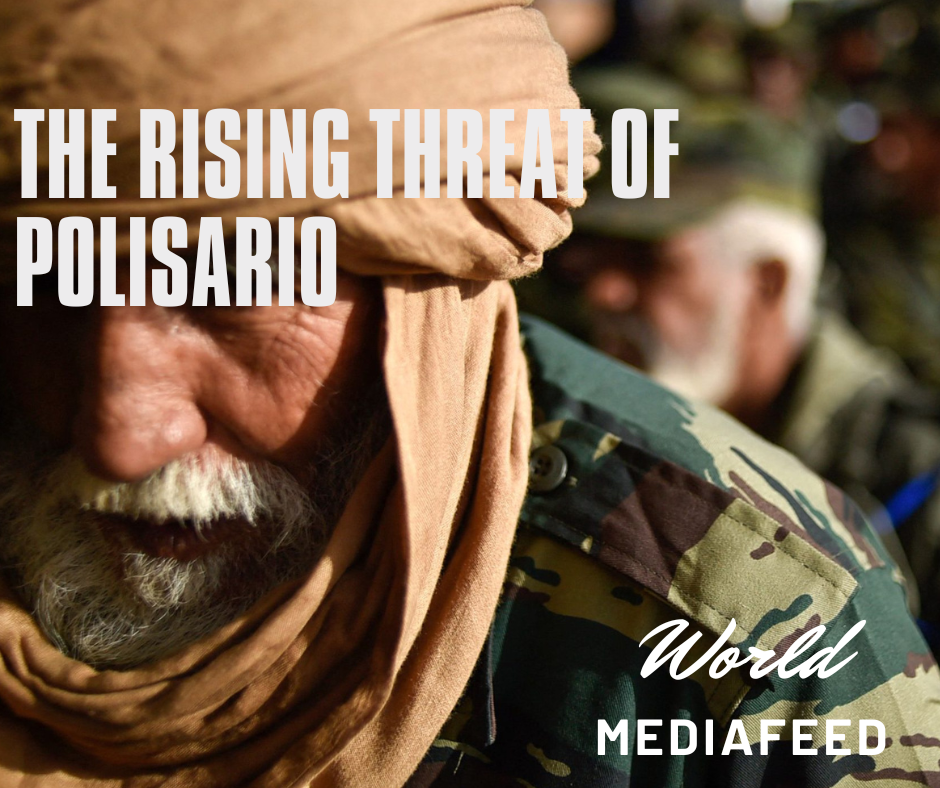
The Polisario Front, once a secular nationalist movement, has undergone a troubling transformation. Backed during the Cold War by Cuba and Gaddafi’s Libya, it now counts Iran and Algeria among its primary allies. This ideological pivot has raised alarm bells among analysts, who warn that Polisario’s links to radical entities could destabilize the broader Sahel and Maghreb regions.
Intelligence reports highlight these growing ties. A German investigation revealed direct contacts between Polisario operatives and Hezbollah agents, including disturbing conversations about potential attacks on Israeli targets and open praise for terrorist activity. Meanwhile, the Tindouf refugee camps in Algeria — under Polisario control — have become fertile ground for jihadist recruitment and trafficking networks linked to ISIS and al-Qaeda.
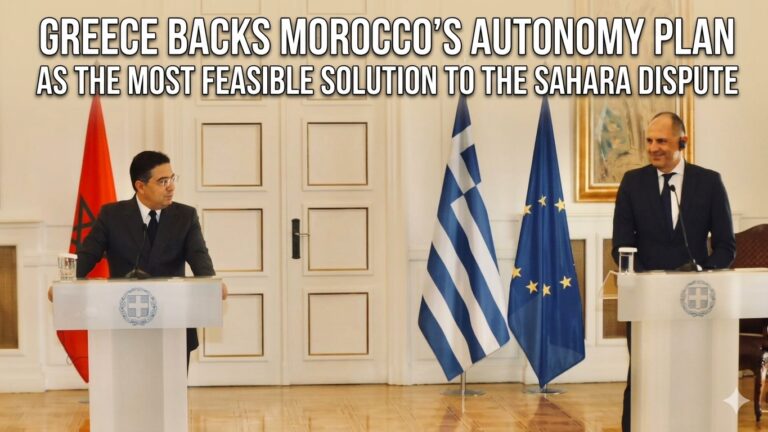
Recognizing these risks, several key nations have shifted their stance. The United Kingdom, joining the United States, France, and Israel, has officially recognized Moroccan sovereignty over Western Sahara. Even Syria, once an ally of Polisario, has severed ties and expelled the group.
This diplomatic realignment is driven not just by politics, but by growing fears that an independent Polisario-led state would become a hub for extremism, armed by Iran and aligned with anti-Western forces. Moroccan Foreign Minister Nasser Bourita recently accused Iran of arming the group with drones, aiming to sow instability across North Africa.
In 2020, the Polisario Front reignited hostilities by breaking a 29-year ceasefire and launching attacks on Moroccan civilians. Human rights groups have also condemned the group for its recruitment of child soldiers and militarization of youth in the Tindouf camps.
Despite this, some still push for a UN-backed referendum, arguing that the Sahrawi people should vote on independence. While that might have seemed viable decades ago, the security environment today is radically different. Granting sovereignty to the Polisario could empower an entity that is openly collaborating with regional threats.
In contrast, Morocco has positioned itself as a stable, strategic partner in regional counterterrorism efforts and development initiatives. Its role is increasingly critical in preventing the spread of extremism across the Sahel and maintaining a balance of power in the region.
The world must face the facts: the Polisario Front is no longer a benign independence movement — it is a destabilizing force, aligned with actors who oppose peace and security. Recognizing Morocco’s sovereignty over Western Sahara is not only a legitimate diplomatic choice, but an urgent strategic necessity.
Source: The National Interest, an American bimonthly international affairs magazine based in Washington, D.C., edited by Jacob Heilbrunn and published by the Center for the National Interest, with a realist perspective on global politics.
About the Author