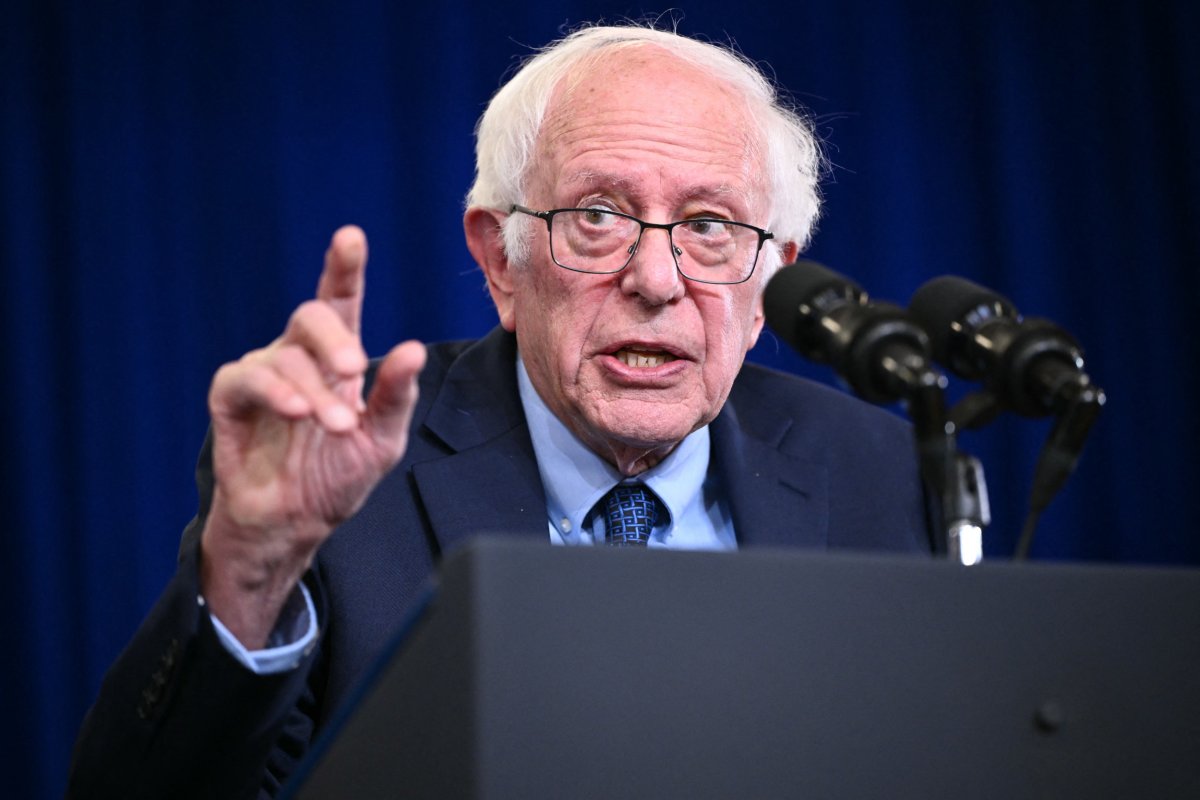
Senator Bernie Sanders’ recent take on the U.S. presidential election has drawn sharp criticism from a former adviser, who publicly called on Sanders to “have a seat.” Sanders, who has been vocal about issues of wealth inequality, labor rights, and healthcare reform, offered comments on the election that some found overly critical of the Democratic Party’s approach, particularly regarding economic policies and voter outreach. His statements were intended as constructive criticism, focusing on areas where he believes the Democratic Party could improve in connecting with working-class voters.
The reaction from the former adviser, however, suggests tension over Sanders’ continued influence within the progressive wing of the party. In a tweet that quickly gained traction, the adviser argued that Sanders’ analysis was out of touch with the current political climate, suggesting that his approach risked alienating centrist and independent voters. “This is not the time to divide,” the adviser wrote. “The country needs unity, not divisive rhetoric.”
Supporters of Sanders see his critique as part of a longstanding commitment to push the Democratic Party to adopt more progressive policies, but others believe that Sanders’ commentary may inadvertently weaken party cohesion. This tension highlights a broader ideological debate within the party, with progressive leaders pushing for systemic change and centrists advocating for broader appeal.
As Sanders and his allies continue to advocate for progressive reform, it’s clear that the debate over the party’s future will remain a defining aspect of American politics, with each side aiming to secure its vision for the country’s direction.
About the Author