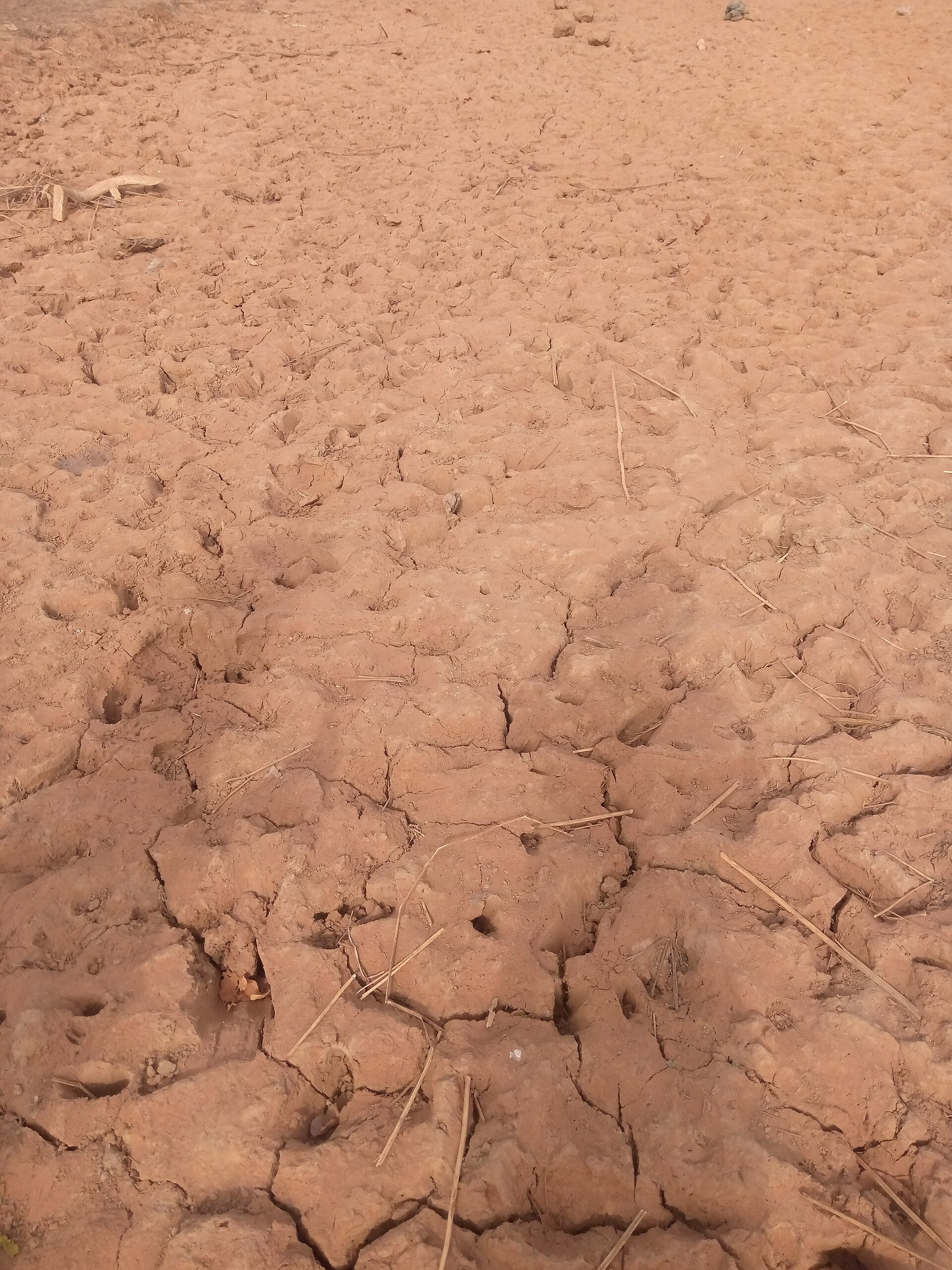
Illustrative drought photograph taken in Ghana, not Fiji. Photo: Hasslaebetch, CC BY-SA 4.0. https://creativecommons.org/licenses/by-sa/4.0/
Government activates emergency response nationwide
Fiji’s government has declared a national state of disaster after updated assessments found that an ongoing El Niño-related drought had reached crisis thresholds, intensifying pressure on water supplies, rural communities and agriculture.
In a national address on Nov. 18, Prime Minister Sitiveni Rabuka said Cabinet approved the declaration on the advice of the National Disaster Risk Management Council. The government said it had allocated 20 million Fijian dollars through the redeployment of existing ministerial funds to strengthen emergency water supplies and support affected communities, farmers and livestock owners.
Water shortages reach crisis levels
The government said more than two million litres of emergency water had been delivered to affected maritime communities over the previous month. The Water Authority of Fiji has also been supplying emergency water to communities on the main islands.
The declaration signals that the drought is being treated as a national emergency rather than a localized seasonal problem. Water scarcity can affect household consumption, schools, health services, food production and livestock, with island and remote communities often facing greater logistical challenges when supplies must be transported by sea.
Climate vulnerability in the Pacific
El Niño is a natural climate pattern that can alter rainfall and temperature across the Pacific. Its effects vary by location, but drought conditions can become particularly disruptive for island states with limited freshwater storage and high dependence on rainfall.
The government’s announcement identifies the immediate response measures, but it does not by itself resolve longer-term questions about water infrastructure, drought resilience and the costs of climate-related emergencies. The effectiveness of the emergency funding will depend on how quickly supplies reach the communities most affected.
Source: Government of Fiji announcement, Nov. 18.
About the Author