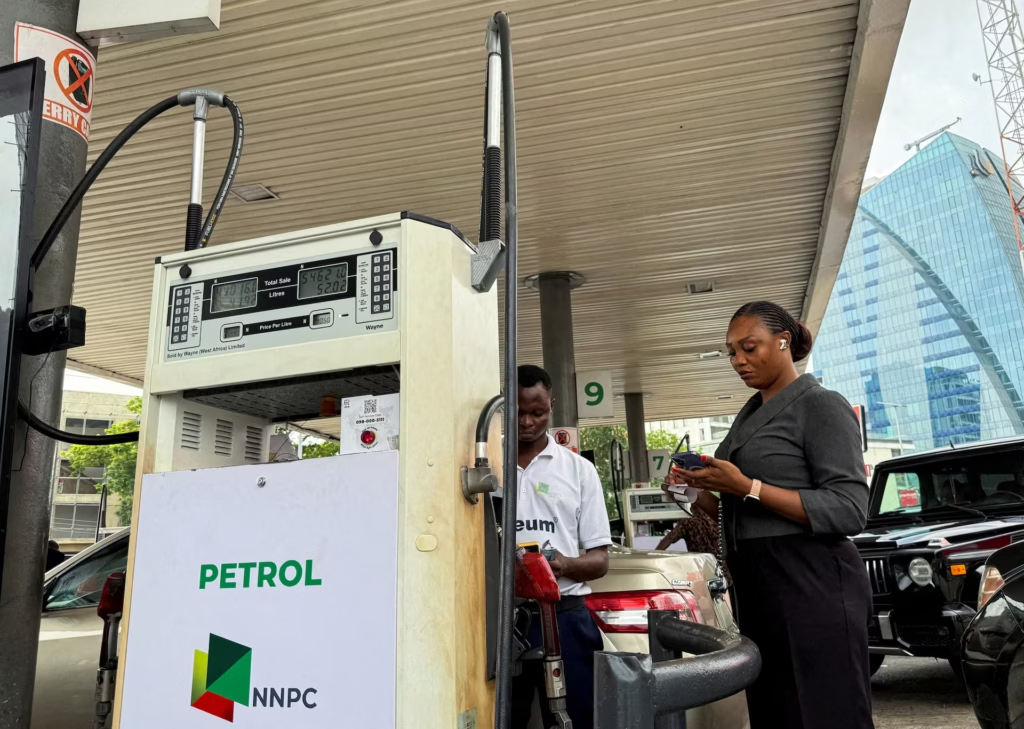
Several African nations are beginning to feel the economic shockwaves from the war involving Iran, with fuel shortages prompting electricity restrictions and raising concerns about energy security across the continent.
Authorities in South Sudan have started rationing electricity in the capital, Juba, as limited fuel supplies threaten the country’s already fragile power system. The curbs come as global energy markets remain volatile following disruptions to oil and gas shipments through the strategically important Strait of Hormuz.
In Mauritius, officials have also introduced restrictions on non-essential electricity consumption after delays in fuel shipments reduced available reserves. Authorities warned that the country currently holds only limited stocks of heavy fuel oil used to power electricity plants while awaiting a replacement cargo expected to arrive soon.
The energy strain highlights the vulnerability of many African economies that rely heavily on imported petroleum products. When global oil supply tightens, the effects can ripple quickly across the continent through rising fuel prices, transportation costs, and inflation.
The ongoing conflict has pushed oil prices above $100 per barrel and disrupted shipments across key maritime routes, increasing the cost and uncertainty of fuel imports for many countries. Analysts warn that such shocks can place additional pressure on currencies and government budgets already strained by economic challenges.
Beyond South Sudan and Mauritius, other African nations are also monitoring the situation closely. Some countries have reported tightening fuel supplies or higher prices at filling stations, while governments are exploring alternative supply routes and emergency measures to secure energy imports.
Experts say the crisis underscores the need for long-term energy diversification across Africa, including greater investment in renewable power and regional energy cooperation to reduce dependence on imported fuels.
As the conflict continues to affect global energy flows, many governments across the continent are bracing for further economic pressure and possible additional power restrictions if fuel supplies remain tight.




More Stories
Pontiff Laments Death of Priest in Lebanon, Calls for Peace Across the Middle East
Strike in Beirut Hits Alleged Hezbollah Financial Network as Tensions Escalate
G7 Ministers Weigh Coordinated Oil Reserve Release as Energy Prices Spike