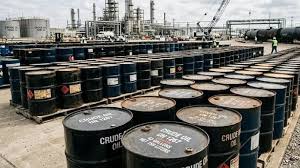
Finance ministers from the Group of Seven (G7) nations are set to hold emergency discussions on a possible joint release of strategic oil reserves as global crude prices surge sharply amid escalating tensions in the Middle East.
According to reports by Reuters and the Financial Times, the talks will focus on whether the major industrialized economies should coordinate the release of emergency petroleum stockpiles in order to stabilize global energy markets and ease pressure on consumers and businesses.
The meeting comes after oil prices climbed dramatically in recent days, with benchmark crude jumping more than 25% and reaching levels not seen since 2022. The surge has been fueled by fears of supply disruptions linked to the ongoing conflict involving Iran and its regional adversaries, as well as concerns about shipping routes in the Gulf region.
Officials said the discussions will involve coordination with the International Energy Agency, which manages an emergency response system allowing member countries to release oil from their reserves during major supply shocks.
Sources familiar with the talks indicated that at least three G7 countries — including the United States — have already expressed support for the idea of a coordinated release. Such a move would aim to inject additional supply into global markets and help cool prices that have surged past $100 per barrel.
The potential action echoes previous coordinated releases organized by the IEA during global energy crises, including the response to supply disruptions following Russia’s invasion of Ukraine. Analysts say a similar move now could help reassure markets and prevent further economic shocks.
Energy markets have been extremely volatile in recent days as traders assess the impact of the Middle East conflict on global supply chains. The possibility of a joint release from emergency reserves has already helped temper some of the sharpest price gains, though analysts warn that continued instability could keep oil prices elevated.
The outcome of the G7 meeting could prove crucial for global energy markets, as governments seek to limit the economic fallout of rising fuel costs while tensions in the region remain high.




More Stories
Fuel Shortages Force Power Restrictions in South Sudan and Mauritius
Pontiff Laments Death of Priest in Lebanon, Calls for Peace Across the Middle East
Strike in Beirut Hits Alleged Hezbollah Financial Network as Tensions Escalate