Wednesday, 7 January 2026
The Ministry of Youth, Culture and Communication of the Kingdom of Morocco announces the publication of a major scientific study revealing the discovery and analysis of new human fossils uncovered in Casablanca, Morocco. The research, published on 7 January 2026 in the journal Nature, was conducted within the framework of the Moroccan–French program “Prehistory of Casablanca”, an institutional collaboration between Morocco’s National Institute of Archaeological Sciences and Heritage (INSAP) and the French Ministry for Europe and Foreign Affairs, through the French archaeological mission “Casablanca.”
The program is co-directed by Abderrahim Mohib (INSAP), Rosalia Gallotti (Université Paul-Valéry Montpellier & LabEx Archimède), and Camille Daujeard (Muséum national d’Histoire naturelle / CNRS – HNHP), and brings together an international, multidisciplinary research team.
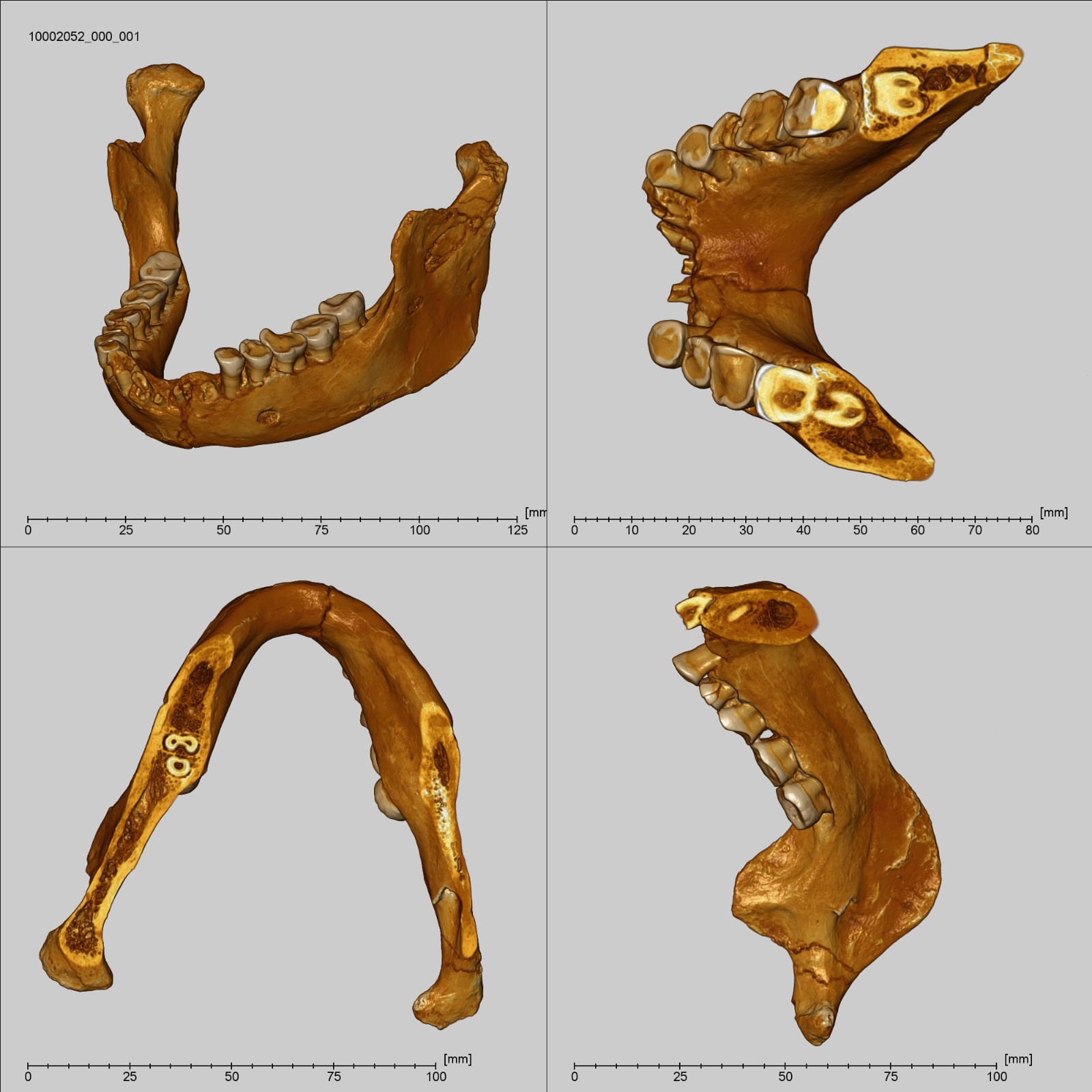
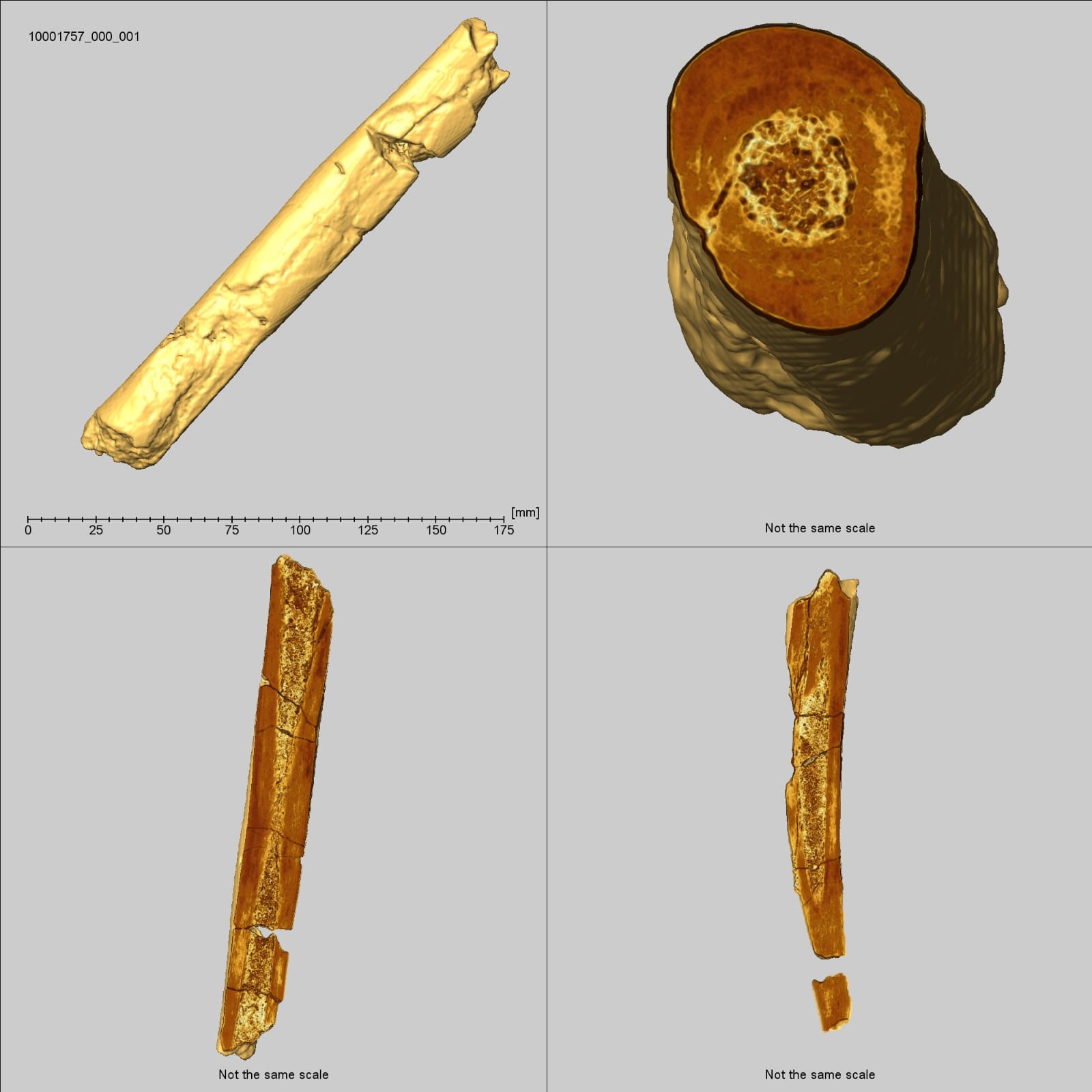
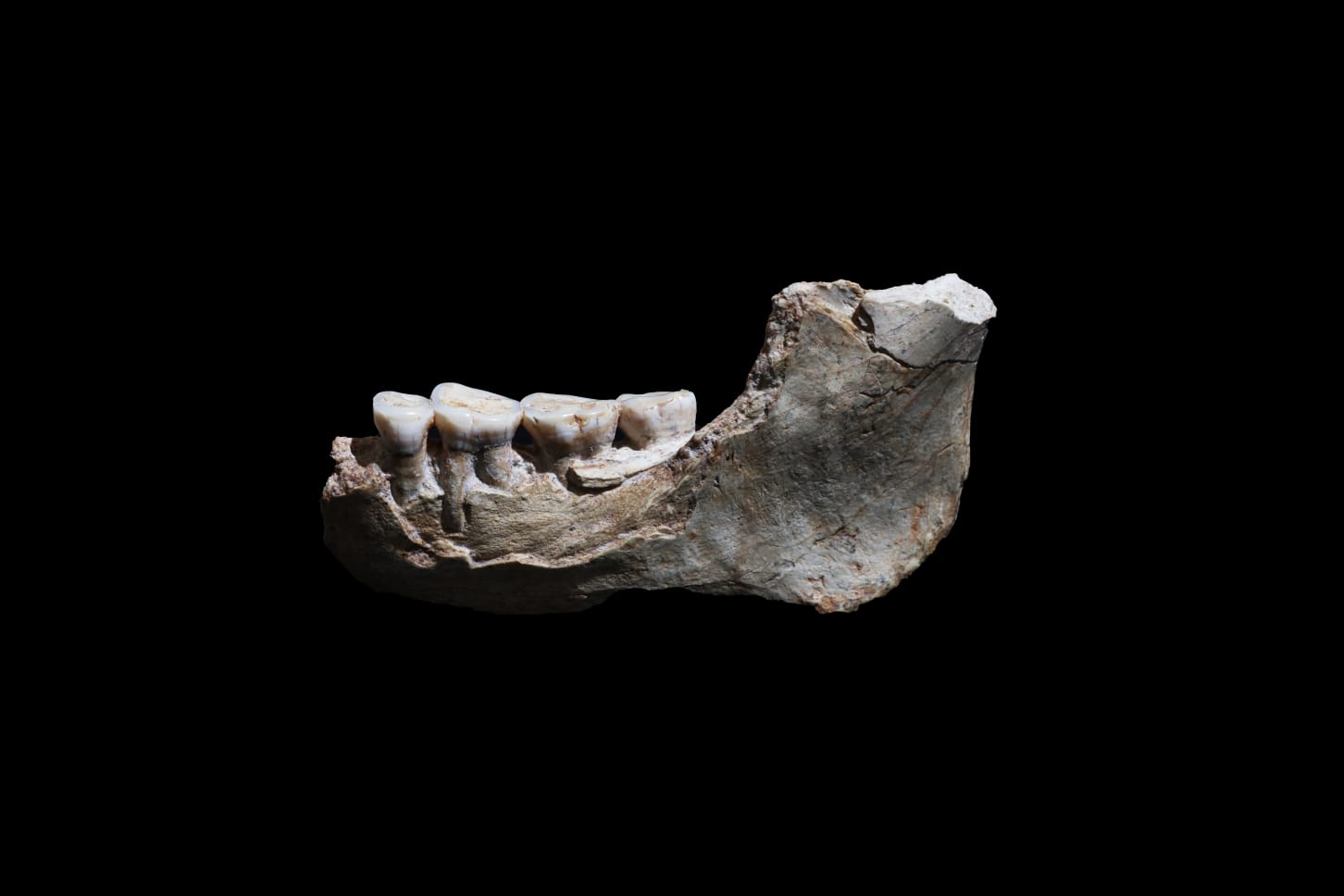
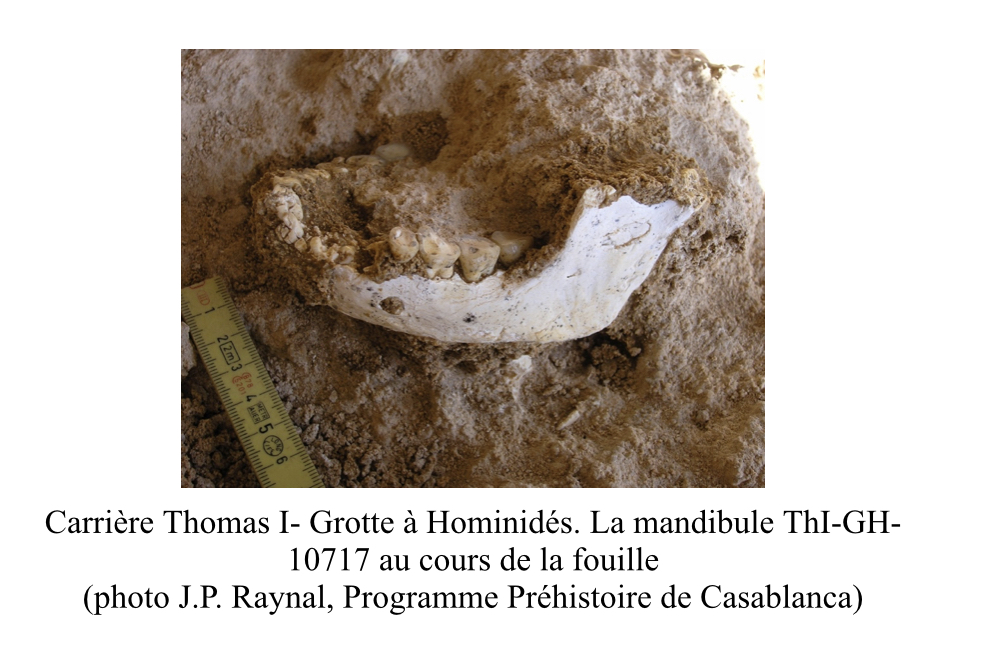
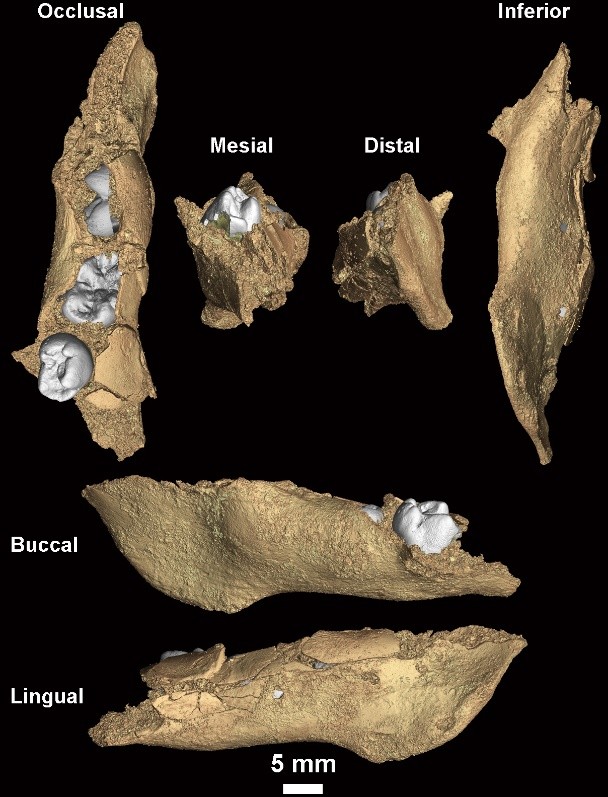
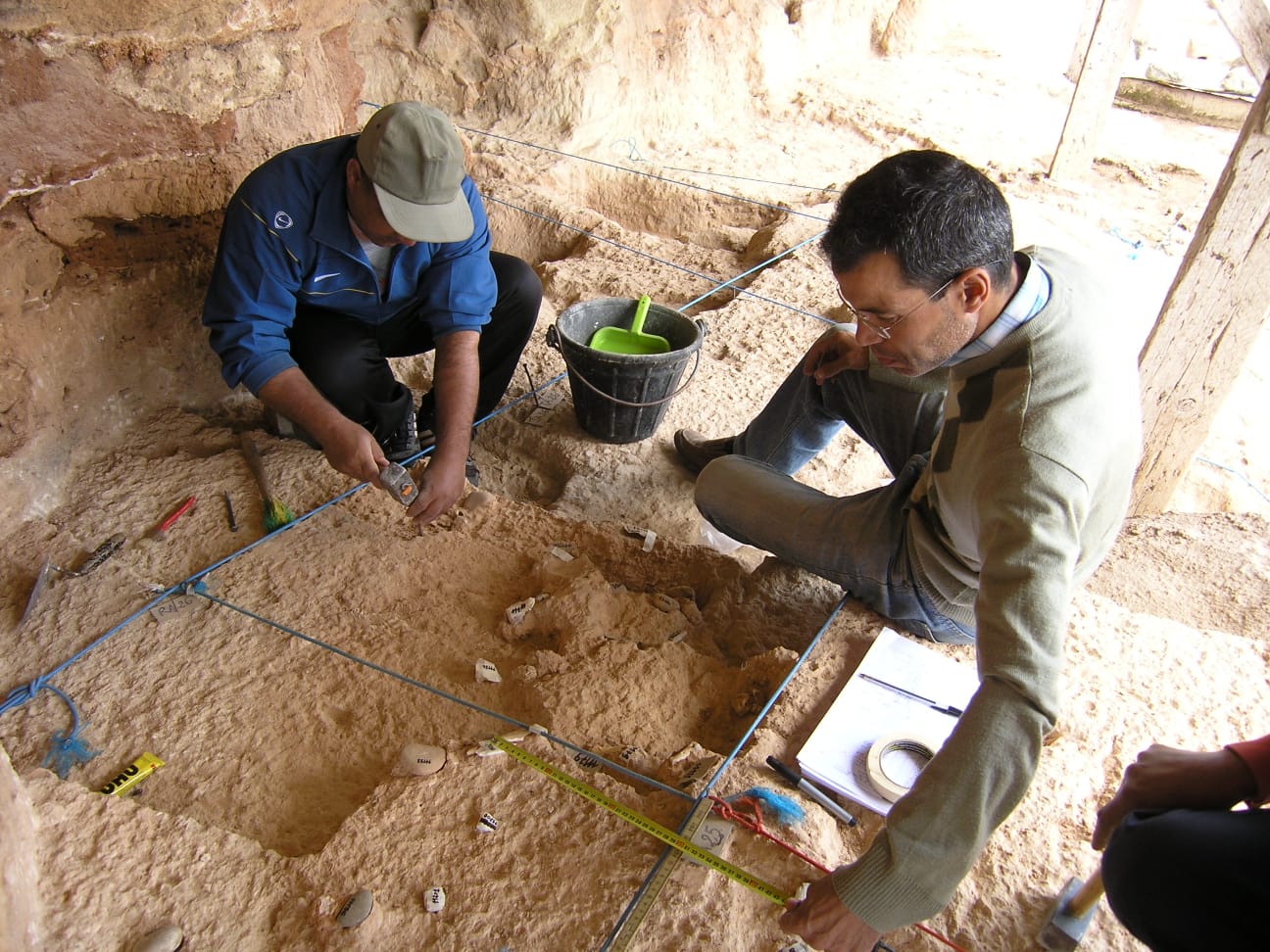
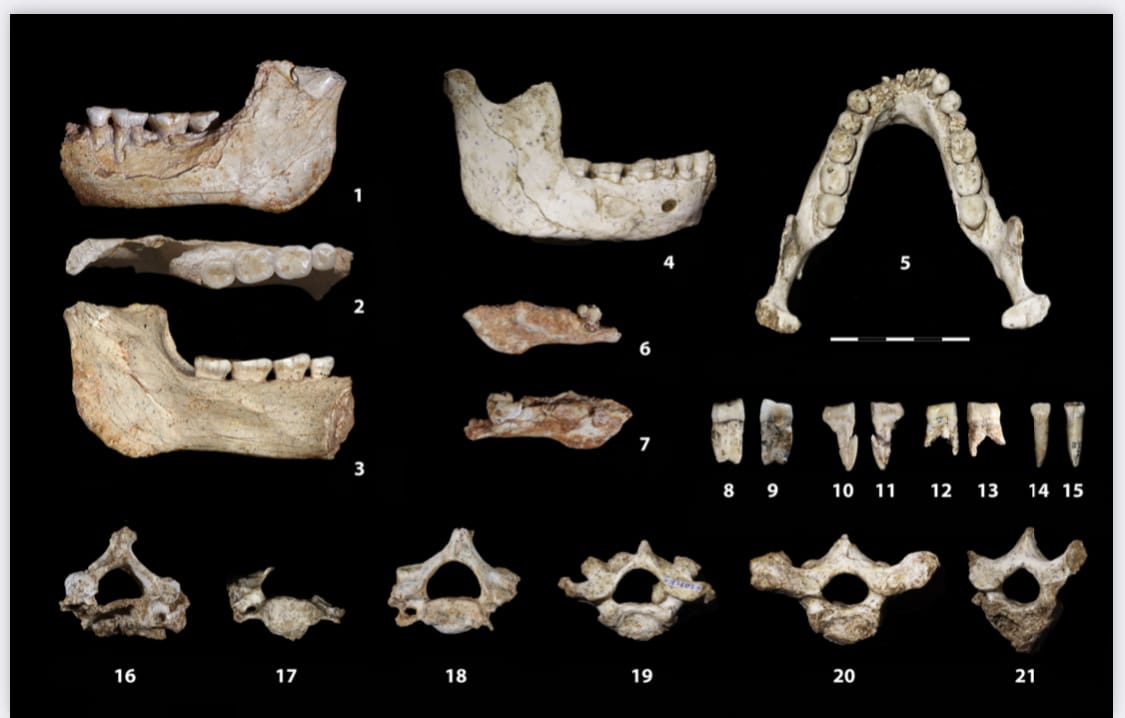
Exceptional Fossil Discoveries at Thomas I Quarry
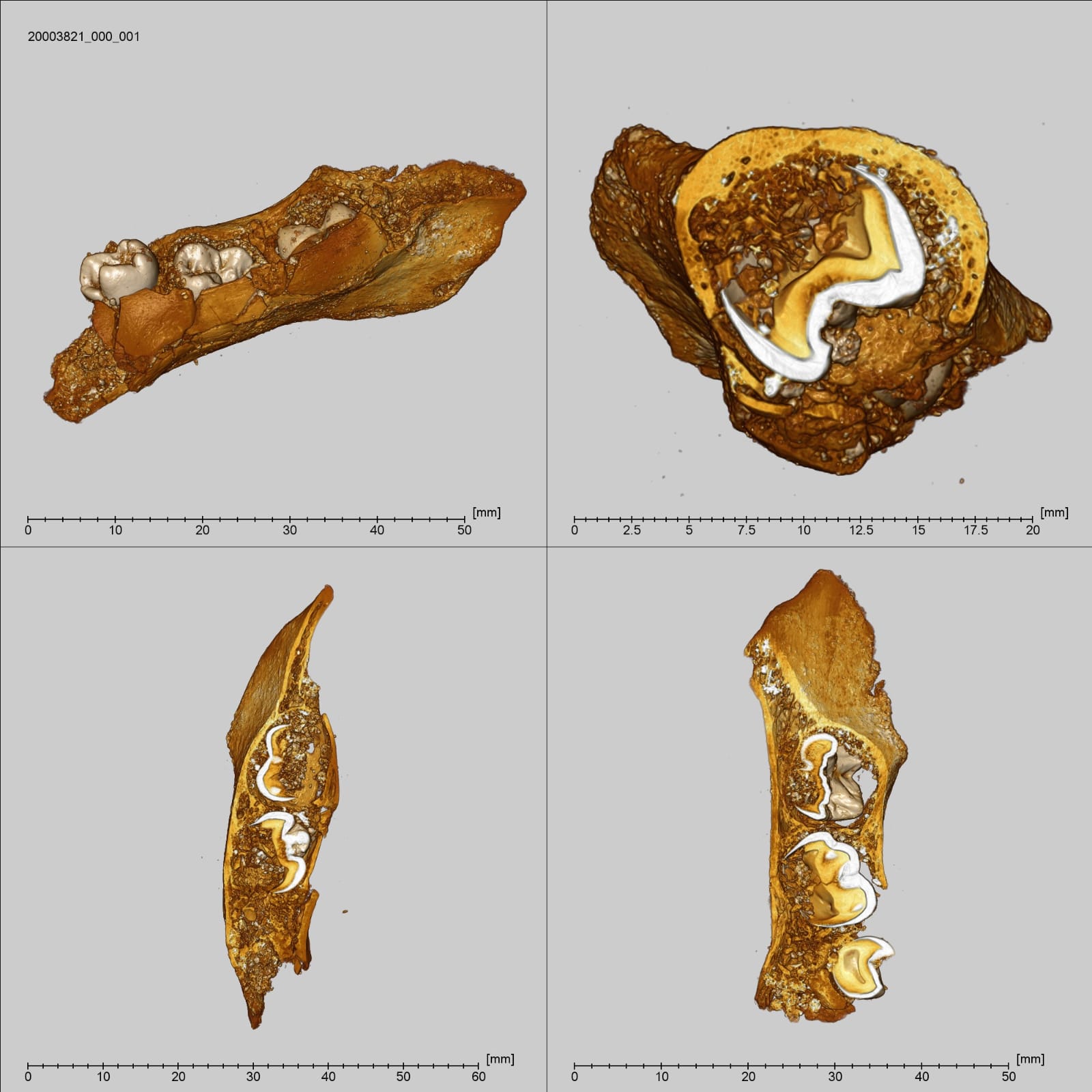
The study presents the analysis of newly discovered hominin fossils found in a cavity within the Thomas I quarry, known as the Hominid Cave, near Casablanca. The material includes several human mandibles—belonging to two adults and one child—as well as dental and post-cranial remains.
These fossils display a unique mosaic of anatomical features, combining archaic traits typical of Homo erectus with more derived characteristics associated with later human forms. This combination places the individuals among populations that were previously poorly documented in the African fossil record.
Unprecedented Chronological Precision
A key strength of the study lies in its exceptionally high-resolution magnetostratigraphic analysis, unprecedented for a site yielding hominin remains. The sediments filling the cave recorded the Matuyama–Brunhes geomagnetic reversal, dated to approximately 773,000 years ago. This provides one of the most precise and robust age determinations ever obtained for a site containing human fossils.
Thanks to this reliable dating, the fossils can be firmly placed within a pivotal phase of human evolution, between early members of the genus Homo and more recent lineages.
Insights into the Origins of Homo sapiens
The Thomas I fossils help fill a major gap in the African fossil record at a time when paleogenetic data indicate the divergence between the African lineage leading to Homo sapiens and the Eurasian lineages that gave rise to Neanderthals and Denisovans. The Moroccan fossils exhibit an original blend of primitive and more evolved traits, consistent with populations close to this evolutionary divergence.
These findings confirm the antiquity and depth of the African roots of our species and underscore the crucial role of North Africa in major stages of human evolution. By documenting human populations living around 773,000 years ago, the discoveries significantly enhance our understanding of the emergence of the Homo sapiens lineage.
An International Scientific Collaboration
The study was conducted with the support of researchers from numerous institutions, including the National Institute of Archaeological Sciences and Heritage (Morocco), the Directorate of Cultural Heritage (Morocco), the Collège de France, the Max Planck Institute for Evolutionary Anthropology (Germany), Université Paul-Valéry Montpellier (France), Università degli Studi di Milano (Italy), the University of Bordeaux, and the Muséum national d’Histoire naturelle (France).
Reference
Early hominins from Morocco basal to the Homo sapiens lineage
Jean-Jacques Hublin, David Lefèvre, Serena Perini, Giovanni Muttoni, Matthew M. Skinner, Shara E. Bailey, Sarah Freidline, Philippe Gunz, Mathieu Rué, Mohssine El Graoui, Denis Geraads, Camille Daujeard, Thomas W. Davies, Kornelius Kupczik, Mykolas D. Imbrasas, Alejandra Ortiz, Christophe Falguères, Qingfeng Shao, Jean-Jacques Bahain, Alain Queffelec, Asier Gomez-Olivencia, Stefano Benazzi, Adeline La Cabec, Rita Sorrentino, Inga Bergmann, Fatima-Zohra Sbihi-Alaoui, Rosalia Gallotti, Jean-Paul Raynal & Abderrahim Mohib
Nature, 7 January 2026
DOI: 10.1038/s41586-025-09914-y
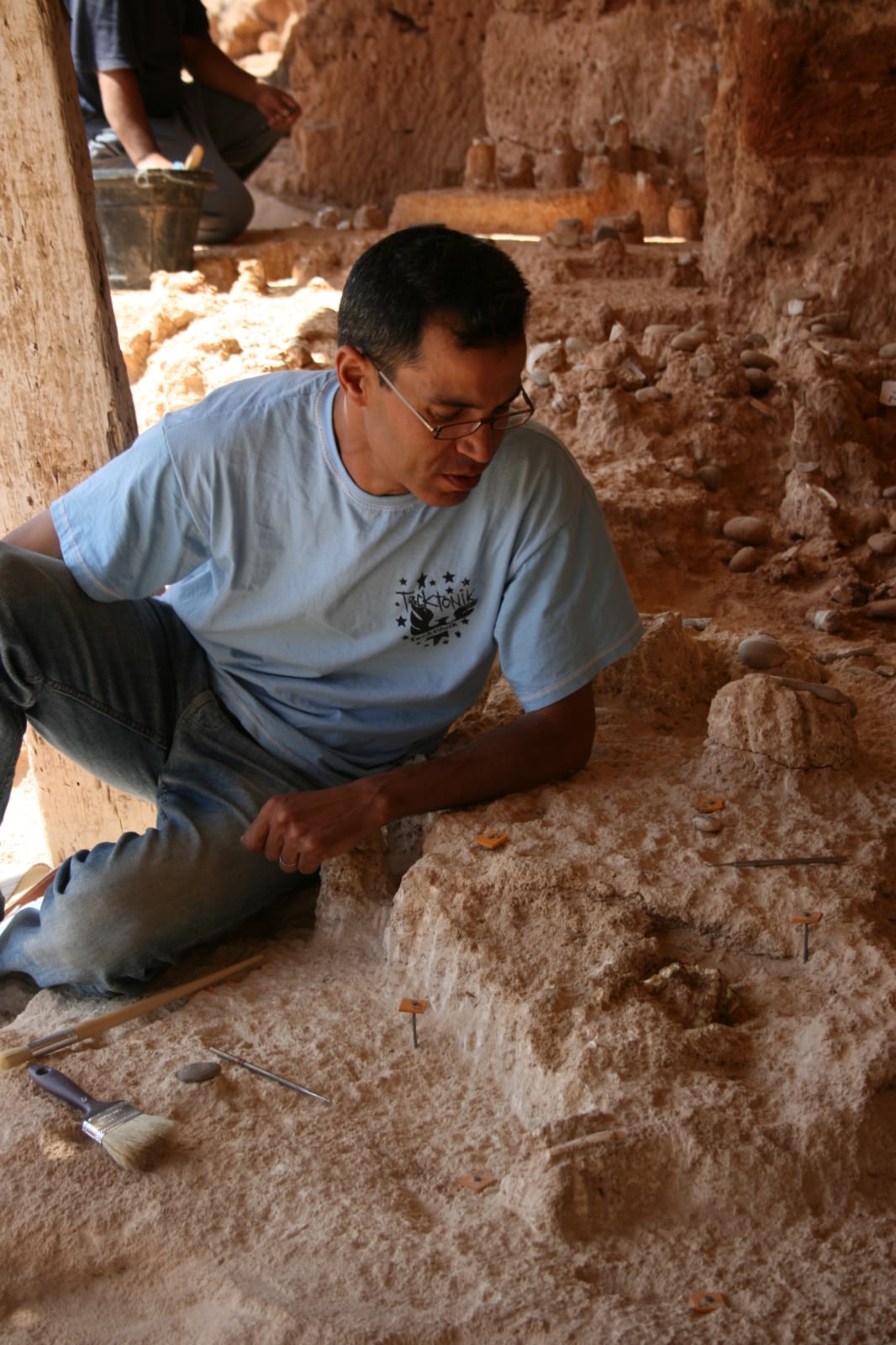
Photographs accompanying this release document the excavation, study, and key researchers involved in the discovery of the 773,000-year-old mandible ThI-GH-10717 at Thomas I Quarry, Casablanca, within the framework of the Prehistory of Casablanca program.




More Stories
Police Investigate Islamophobic Chants at Spain‑Egypt Friendly in Barcelona
Morocco–U.S. Cooperation Key in Major International Narco-Terrorism Conviction
Costa Rica Signals Support for Morocco’s Autonomy Proposal in Sahara Dispute