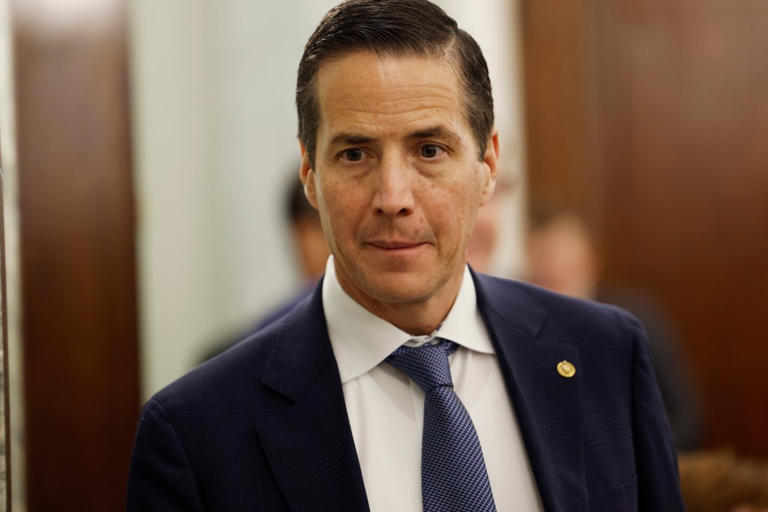
WASHINGTON — A newly introduced bill by Bernie Moreno (R-Ohio) could fundamentally alter what it means to be an American, by eliminating the possibility of holding dual citizenship — a move that would affect potentially millions nationwide.
What the bill proposes
Dubbed the Exclusive Citizenship Act of 2025, the legislation mandates that U.S. citizens must maintain sole and exclusive allegiance to the United States. Under the bill, dual citizens would be forced to choose: either renounce their foreign citizenship or relinquish their U.S. citizenship entirely — typically within one year of the bill’s enactment.
Supporters argue the measure aims to prevent “divided loyalties,” while critics warn it could uproot the lives of Americans who maintain legal ties abroad for work, family, or heritage.
Who could be impacted
Although there are no precise official figures, estimates suggest that millions of Americans hold dual citizenship or at least qualify for it.
This includes naturalized Americans, individuals born abroad to American parents, and those who acquired a second nationality through descent or marriage.
If the bill passes, many could be forced to choose between retaining U.S. citizenship — with all its rights and benefits — or preserving foreign citizenship. The consequences may touch everything from international travel to inheritance rights, business dealings, and family connections abroad.
Legal and Constitutional Questions
Some legal experts question whether Congress can legally revoke citizenship for those who already hold it. Critics point to longstanding precedents that guard against involuntary stripping of citizenship, arguing that the proposed law may clash with constitutional protections.
Others warn that implementing such a sweeping change could result in legal challenges that draw out for years, leaving many dual-citizens in limbo.
Political Context — Growing Push on Citizenship Rules
The bill is part of a broader wave of legislation and executive efforts in 2025 aimed at tightening U.S. citizenship and immigration rules. For instance, the U.S. Citizenship and Immigration Services (USCIS) recently revised the naturalization civics test to make it more stringent, raising both the number of potential questions and the threshold for passing.
Meanwhile, other proposals like the Birthright Citizenship Act of 2025 seek to end automatic citizenship for children born in the United States to parents who are not U.S. citizens or permanent residents.
Together, these initiatives mark a sharp shift in how U.S. citizenship — once largely seen as immutable by birth or naturalization — is being reconsidered by lawmakers.
What Happens Next
The bill’s future remains uncertain. It must navigate both chambers of Congress and withstand constitutional scrutiny if challenged. If enacted, millions may face difficult personal choices — weighing the value of U.S. citizenship against the practical and cultural importance of ties to other nations.
For now, dual-citizens and would-be applicants alike are watching closely — uncertain whether their status might be upended, and what the long-term reverberations might be.




More Stories
Missing U.S. Flight Attendant Found Dead in Colombia After Disappearing During Layover
Rubio’s Iran War Strategy Sparks Growing Divisions Within Republican Party
Trump Warns Iran to Accept Peace Proposal or Face Escalating U.S. Military Action