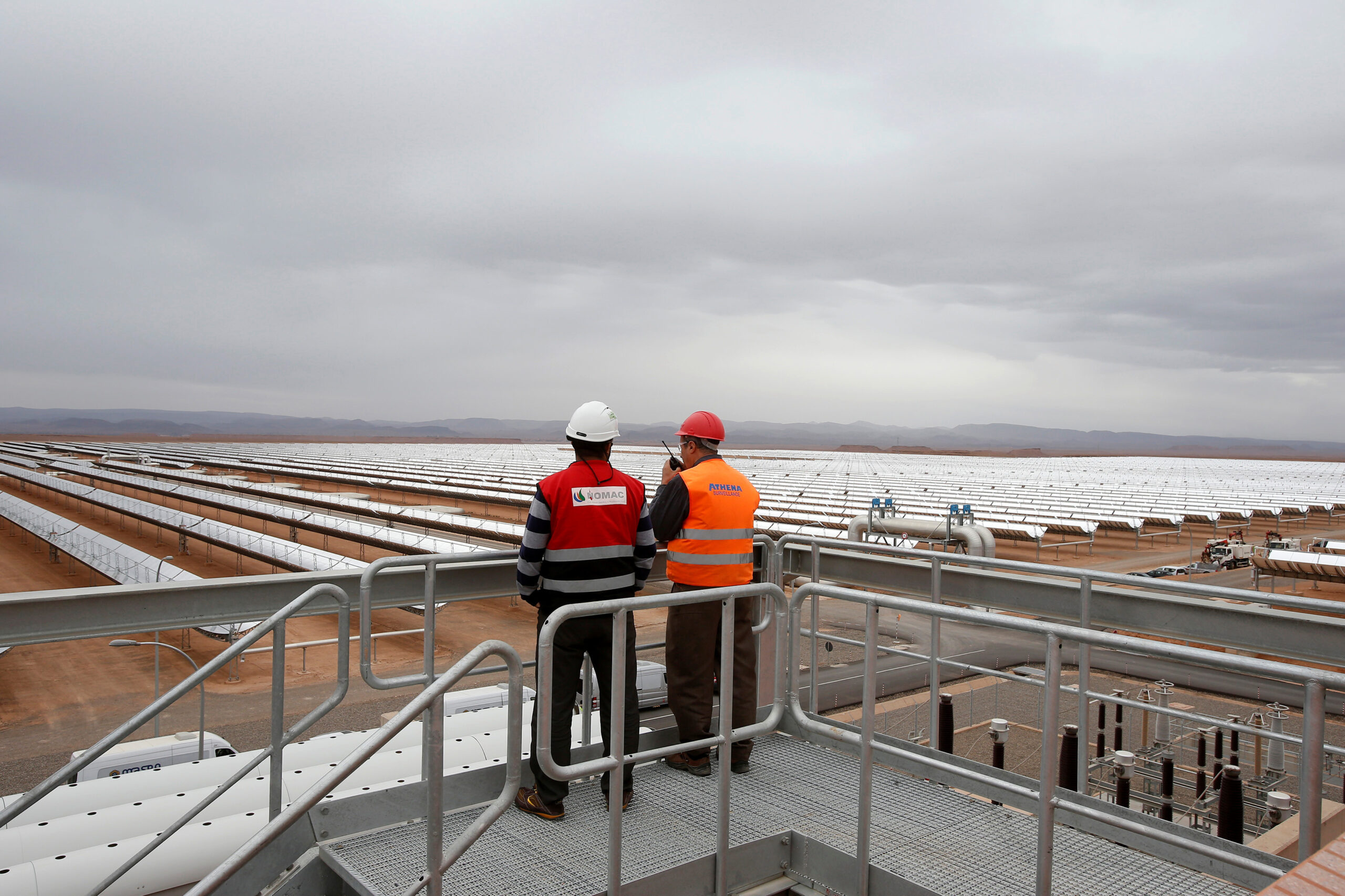
In a display of growing global ambition and sustainable policymaking, the Kingdom of Morocco promoted its energy-transition and climate-action strategies this week at a high-level forum in Stockholm. The gathering, held under the auspices of the country’s embassy and Swedish think-tank partners, provided a platform for Morocco to highlight its vision for a cleaner and more diversified energy future.
Key Highlights from the Forum
During the roundtable event, Morocco’s ambassador to Sweden, Karim Medrek, laid out several pillar policies including the National Energy Strategy for 2030, the Low-Carbon Roadmap for 2050, and the Green Hydrogen National Roadmap launched in 2021. He emphasized that these are not merely environmental initiatives but important economic and industrial levers for Morocco’s future.
Also discussed were efforts to build low-carbon industrial ecosystems, generate sustainable jobs in new green sectors, and attract international investors and technology providers to the Moroccan green economy.
Why It Matters
Morocco’s participation in this Swedish forum reflects its pursuit of a dual objective: first, moving away from traditional fossil-fuel dependence; and second, positioning itself as a regional leader in renewable energy, green hydrogen and sustainable industrialization. These aims come amid broader global momentum toward decarbonization and just transitions. For example, Morocco has committed to gradually phasing out coal-based power and boosting its share of renewables in the national energy mix.
Challenges and Road Ahead
Despite the ambition, Morocco still faces important obstacles. It ranks 70th out of 118 countries in the World Economic Forum’s 2025 Energy Transition Index, underscoring the need for stronger policy frameworks, infrastructure investment and human-capability building.
To realise its strategy, coordination among government agencies, private-sector actors and international partners will be vital. The Stockholm forum highlighted the role of cooperation and innovation in enabling Morocco’s green transition. As Ambassador Medrek put it, the challenge is “global” and requires “joint innovation, genuine cooperation between states.”
Final Thought
As Morocco takes center stage in Stockholm, it is signaling a shift: from aspirational climate pledges to concrete policy tools, green industry development and international partnerships. The coming years will determine whether the kingdom can convert its strategic frameworks into measurable progress in energy-cleaning, job creation and industrial transformation.




More Stories
Police Investigate Islamophobic Chants at Spain‑Egypt Friendly in Barcelona
Morocco–U.S. Cooperation Key in Major International Narco-Terrorism Conviction
Costa Rica Signals Support for Morocco’s Autonomy Proposal in Sahara Dispute