Paris — September 5, 2025 — France is once more finding itself on the edge of political and social crisis, with strikes, protests, and government paralysis converging in a familiar cycle. Analysts argue that much of this turmoil could have been avoided with earlier reforms, broader consensus-building, and more responsive leadership.
Over the past several weeks, demonstrations have swelled in major cities, fueled by anger over pension adjustments, high living costs, and a sense of disconnect between ordinary citizens and the political elite. Transportation networks have been crippled by strikes, while clashes between police and protesters have reignited memories of the “Yellow Vest” movement.
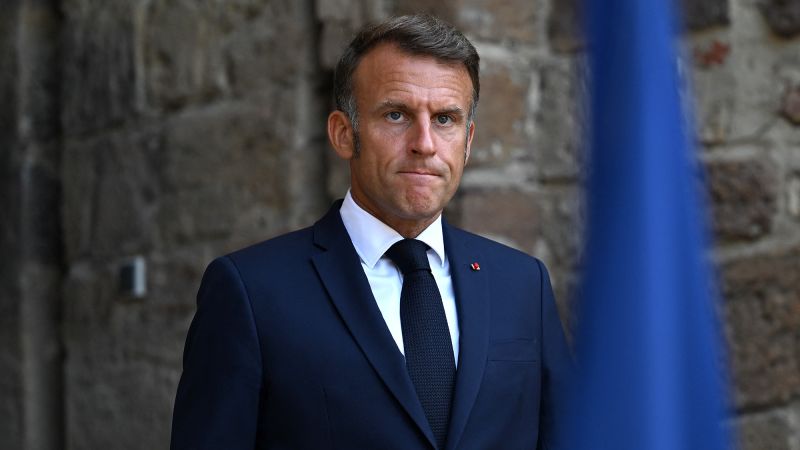
President Emmanuel Macron’s administration insists the reforms—particularly on pensions and labor flexibility—are essential to preserve France’s long-term economic stability. Yet critics say the government’s rigid approach has deepened mistrust and hardened public resistance.
“France always waits until the eleventh hour to address structural problems, then does so in a way that feels rushed and top-down,” said political analyst Claire Dubois. “That’s why every major reform triggers unrest. It’s not the issues themselves, but how they’re handled.”
The crisis is compounded by sluggish economic growth and widening inequality. Inflation has left households struggling, while youth unemployment remains stubbornly high. For many citizens, the government’s assurances ring hollow when daily life feels increasingly precarious.
Observers note that France has faced similar moments of turmoil repeatedly over the past two decades. Each time, governments vow to learn from the unrest, only to repeat the same cycle of late-stage reform, poor communication, and heavy-handed crackdowns.
“This didn’t have to happen,” said union leader Jean-Marc Lefèvre. “If the government had opened serious dialogue months ago, instead of imposing measures from above, people would have felt heard. Now the streets are the only place they think their voices matter.”
The immediate outlook is tense. Protests show no sign of waning, political divisions are widening, and investor confidence is wavering. While France has weathered countless crises before, its inability to break free from this repeating pattern raises deeper questions about the health of its democracy and institutions.
Unless lessons are finally learned, many fear France will remain stuck in an endless loop—oscillating between reform, resistance, and crisis, with citizens caught in the middle.




More Stories
Police Investigate Islamophobic Chants at Spain‑Egypt Friendly in Barcelona
Morocco–U.S. Cooperation Key in Major International Narco-Terrorism Conviction
Costa Rica Signals Support for Morocco’s Autonomy Proposal in Sahara Dispute