Rabat – July 17, 2025
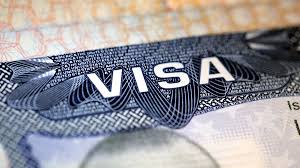
A new U.S. visa requirement has stirred concern among Moroccan students and privacy advocates alike. The regulation, which quietly went into effect this summer, mandates that Moroccan student visa applicants make their social media profiles public during the application process.
According to local travel agencies and education consultants, U.S. consular officials in Casablanca and Rabat have begun enforcing the rule during F-1 student visa interviews. Students are being asked to unlock Instagram, Facebook, X (formerly Twitter), TikTok, and even LinkedIn accounts, or risk being denied a visa due to “incomplete transparency.”
Growing Digital Scrutiny
The new measure is part of a broader U.S. policy shift that began under previous administrations but has intensified in recent years. Since 2019, visa applicants have been required to list their social media usernames from the past five years. Now, under the expanded rule, applicants are expected to provide full access to those accounts during interviews—even if they had set them to private.
A source close to the U.S. consulate in Casablanca confirmed that the policy targets “potential security threats” and aims to “verify consistency” in applicants’ stated intentions. However, the practice has drawn criticism from legal experts who say it violates the right to digital privacy and creates a discriminatory burden.
Students React: Privacy vs. Opportunity
Many Moroccan students, especially those pursuing higher education in American universities, are voicing anxiety and confusion.
“I deleted half my posts and made everything public before my interview,” said Yassir B., a 19-year-old accepted to an engineering program in Texas. “But it felt like I had to give up my privacy just to chase my dreams.”
Others worry that innocuous posts—jokes, political comments, or photos from social events—could be misinterpreted and jeopardize their academic future.
Legal and Ethical Concerns
Digital rights groups in Morocco and abroad have denounced the move as an infringement on privacy. “This is surveillance by coercion,” said Samira El-Mokhtar, director of the Casablanca-based NGO Privacy Watch Morocco. “Students are essentially being forced to open their lives to foreign authorities under the threat of rejection.”
In the United States, civil liberties organizations such as the ACLU have also pushed back on similar practices, arguing that vague guidelines on how social media content is evaluated make the system ripe for bias and abuse.
Diplomatic Silence
So far, the U.S. embassy in Morocco has not issued an official public statement about the updated policy. When asked for clarification, a consular spokesperson simply referred to “routine procedures” and “national security protocols.”
The Moroccan Ministry of Foreign Affairs has also remained silent on the issue, though a senior official acknowledged off the record that “the government is monitoring the situation closely.”
The Bigger Picture
This latest development reflects a growing trend in U.S. immigration and security policy—placing digital transparency at the center of eligibility. Analysts warn that such requirements could have a chilling effect, deterring talented international students from applying to American institutions.
“The U.S. is sending a message,” said policy analyst Rami Najjar. “Come study here—but only if you’re ready to surrender your online privacy.”


More Stories
Police Investigate Islamophobic Chants at Spain‑Egypt Friendly in Barcelona
Morocco–U.S. Cooperation Key in Major International Narco-Terrorism Conviction
Costa Rica Signals Support for Morocco’s Autonomy Proposal in Sahara Dispute