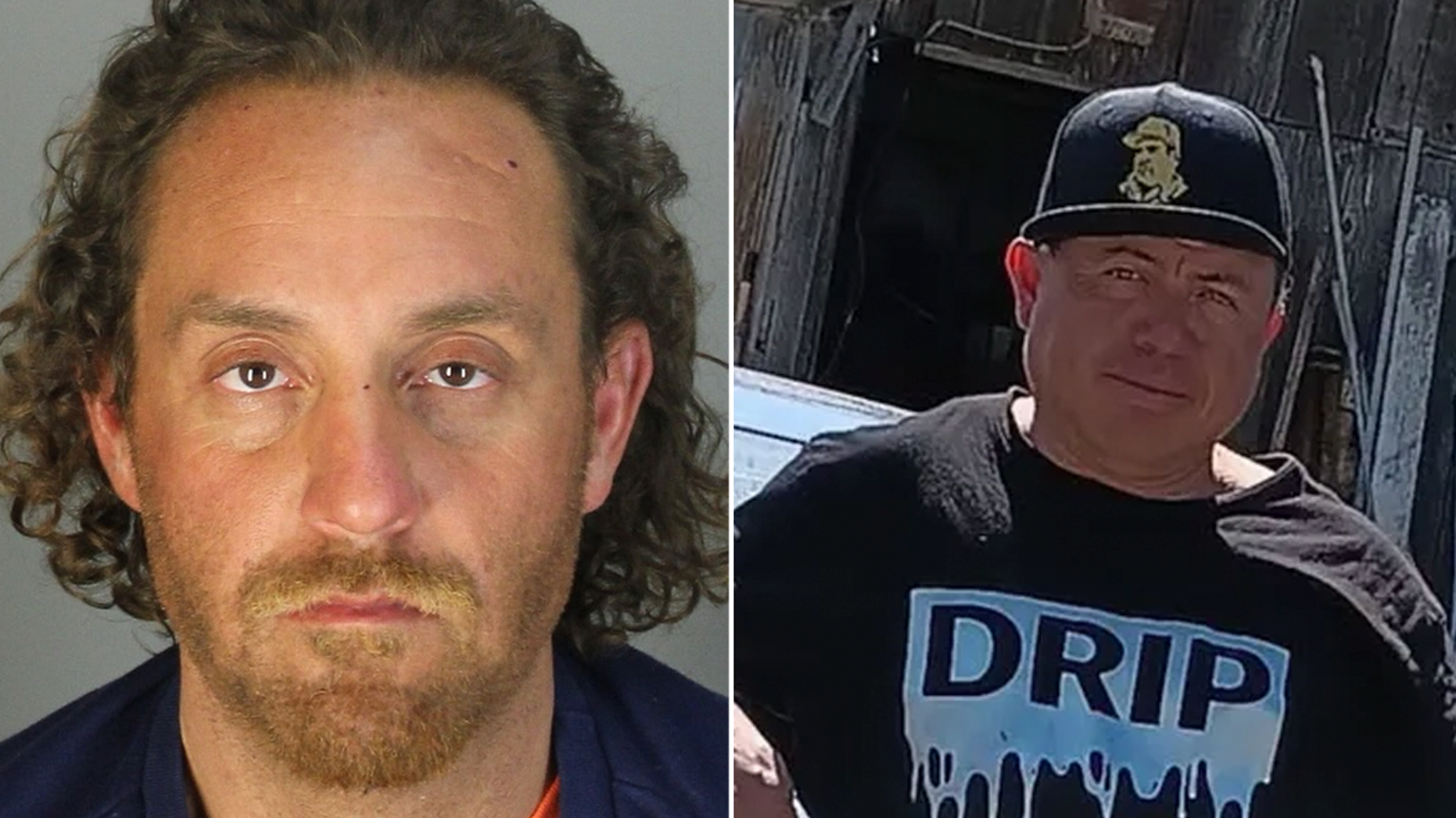
California’s Mental Health Loophole Under Fire After Man Commits Grisly Killing Days After Release
July 2025 – San Bernardino, California
Just 72 hours after walking free under California’s mental health diversion laws, 31-year-old Javier Mendoza now finds himself at the center of a brutal homicide investigation—charged with the murder of a local store clerk in what police are calling one of the most disturbing crimes of the year.
The case has reignited fierce debate over the state’s mental health legislation and raised urgent questions about how public safety is weighed against treatment and rehabilitation.
A Familiar Face in the System
Mendoza had been in and out of California’s justice system for years, mostly on low-level offenses tied to drug use, petty theft, and erratic behavior. His most recent charges—misdemeanor trespassing and resisting arrest—were dismissed after he failed to appear in court, and prosecutors opted not to pursue the case, citing California’s updated mental health diversion protocols.
Under state law, non-violent offenders with diagnosable mental illnesses can be diverted away from jail and into community-based treatment, provided they pose no threat to others.
Mendoza, diagnosed with schizoaffective disorder, had been deemed eligible for outpatient monitoring. But after missing multiple appointments and failing to respond to mandated treatment check-ins, the court was advised he was “non-compliant.” Still, with limited beds and overwhelmed programs, no warrant was issued.
Three days later, someone died.
The Murder
On a quiet Thursday evening, police responded to a 911 call from a convenience store in East San Bernardino. What they found inside shocked even veteran officers: 49-year-old Samir Patel, a father of three and the longtime night clerk at West End Market, had been stabbed repeatedly and left for dead behind the register. The scene was captured in chilling detail by surveillance cameras.
The footage, according to authorities, shows Mendoza entering the store with a plastic bag in one hand and muttering to himself. After a brief exchange with Patel—believed to have been about change for a bus fare—Mendoza exploded in a sudden, unprovoked attack. He fled before police arrived, leaving behind the murder weapon: a jagged piece of metal from a nearby construction site.
An intensive manhunt ensued, with tips pouring in from local residents who recognized Mendoza from shelters and street corners.
He was arrested the next day at a public library, disheveled and barefoot, reading aloud from a tattered paperback.
Anger and Outrage
The community reaction has been swift and emotional.
“This man should have been in a secure facility, not walking around,” said Rina Patel, the victim’s niece. “The law failed my uncle—and it failed us.”
Local law enforcement officials echoed the frustration. “This is a tragedy that could have been avoided,” said San Bernardino Sheriff’s spokesperson Lt. Greg Harlan. “The current system left our hands tied.”
Advocates for mental health reform, however, warn against broad backlash. “Yes, the outcome is horrific,” said Dr. Felicia Monroe, a public health expert. “But demonizing all patients or rolling back diversion laws will hurt far more people than it protects. The issue is not the idea of mental health diversion—it’s the resources behind it.”
A System Under Strain
California’s mental health diversion program was created with good intentions: to reduce overcrowding in jails and address the root causes of criminal behavior. But critics argue the implementation is uneven, funding is inadequate, and supervision is lax—especially for those who fall through the cracks.
Mendoza’s case fits a now-familiar pattern: a troubled individual with a documented mental illness, released without consistent care, deteriorating rapidly until tragedy erupts.
What’s Next
Javier Mendoza has been charged with one count of first-degree murder and is currently undergoing a court-ordered psychiatric evaluation. Prosecutors are considering whether to seek a special circumstances enhancement due to the brutality of the attack.
If found competent, Mendoza could face life in prison without parole. If not, he may be transferred indefinitely to a state hospital.
Meanwhile, Governor Elena Cruz has ordered a legislative review of the state’s diversion policies, saying, “We must ensure compassion does not come at the cost of community safety.”
Final Thought
Javier Mendoza was once a name buried in the system—a man with a record, but no voice. Now, his name is front-page news, and his case may shape the future of California’s justice and mental health reform. Whether the blame lies in broken policy, underfunded programs, or flawed human judgment, one fact is certain: a life was lost, and a system meant to protect everyone failed someone again.




More Stories
Missing U.S. Flight Attendant Found Dead in Colombia After Disappearing During Layover
Rubio’s Iran War Strategy Sparks Growing Divisions Within Republican Party
Trump Warns Iran to Accept Peace Proposal or Face Escalating U.S. Military Action